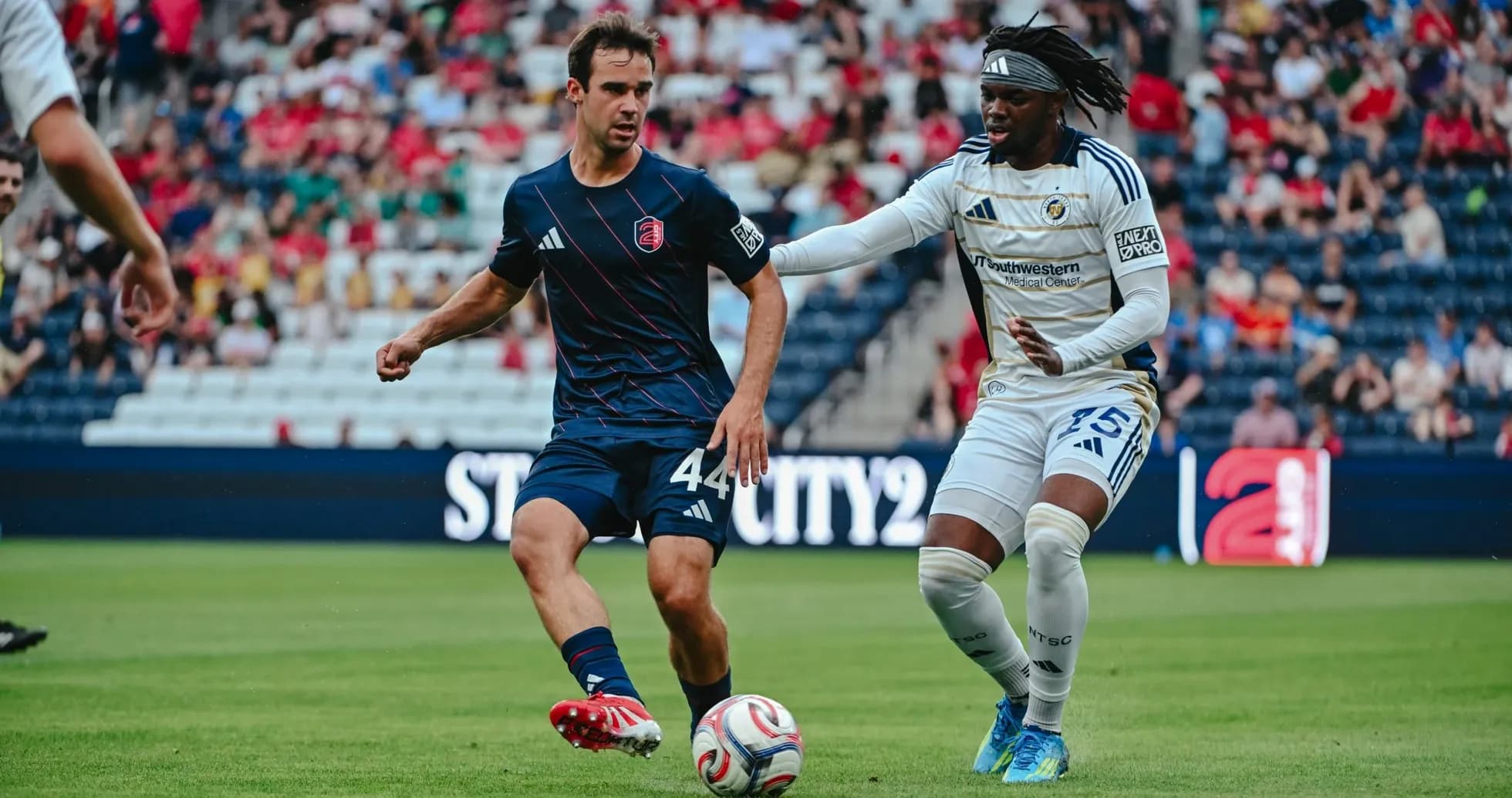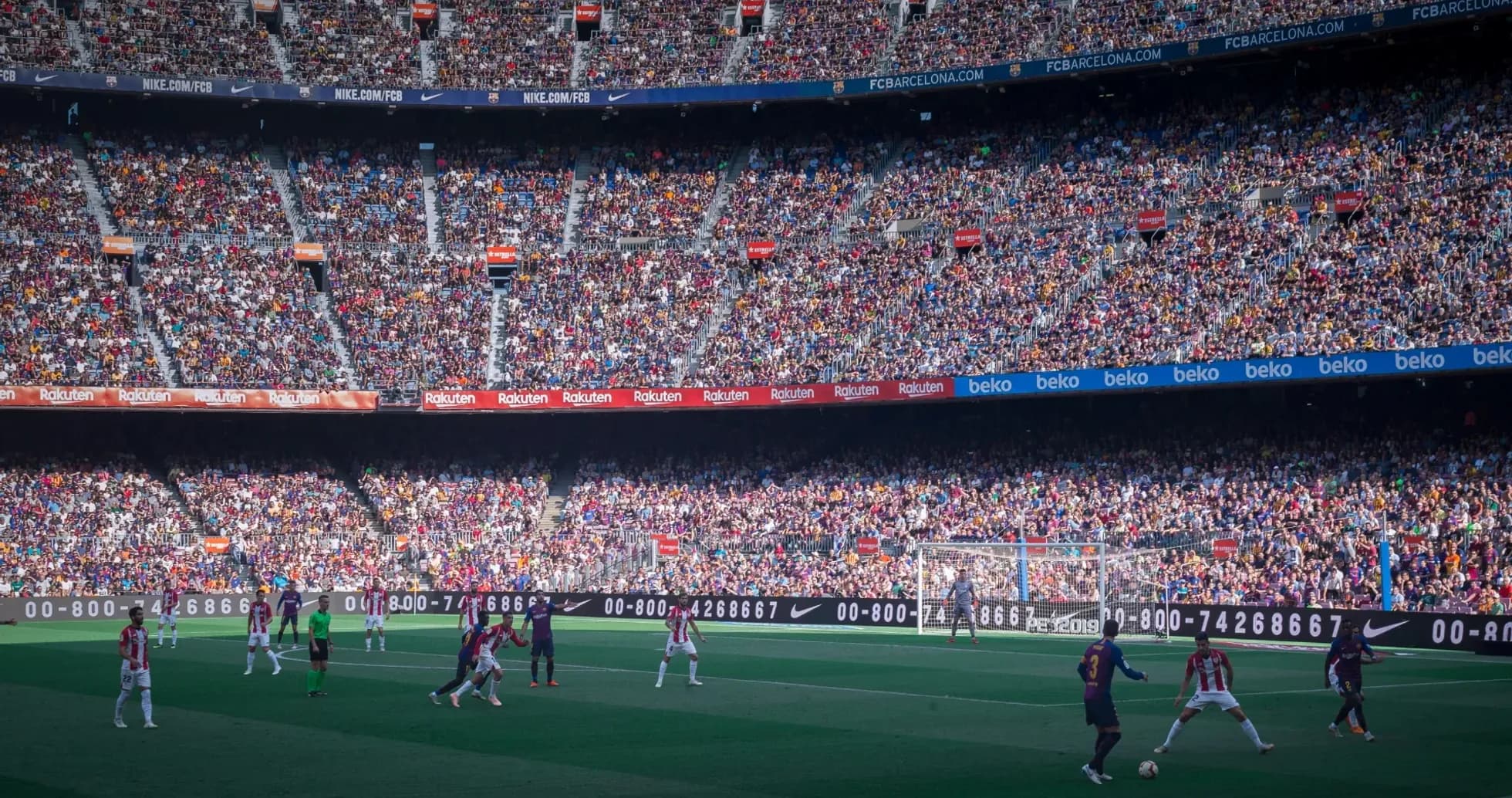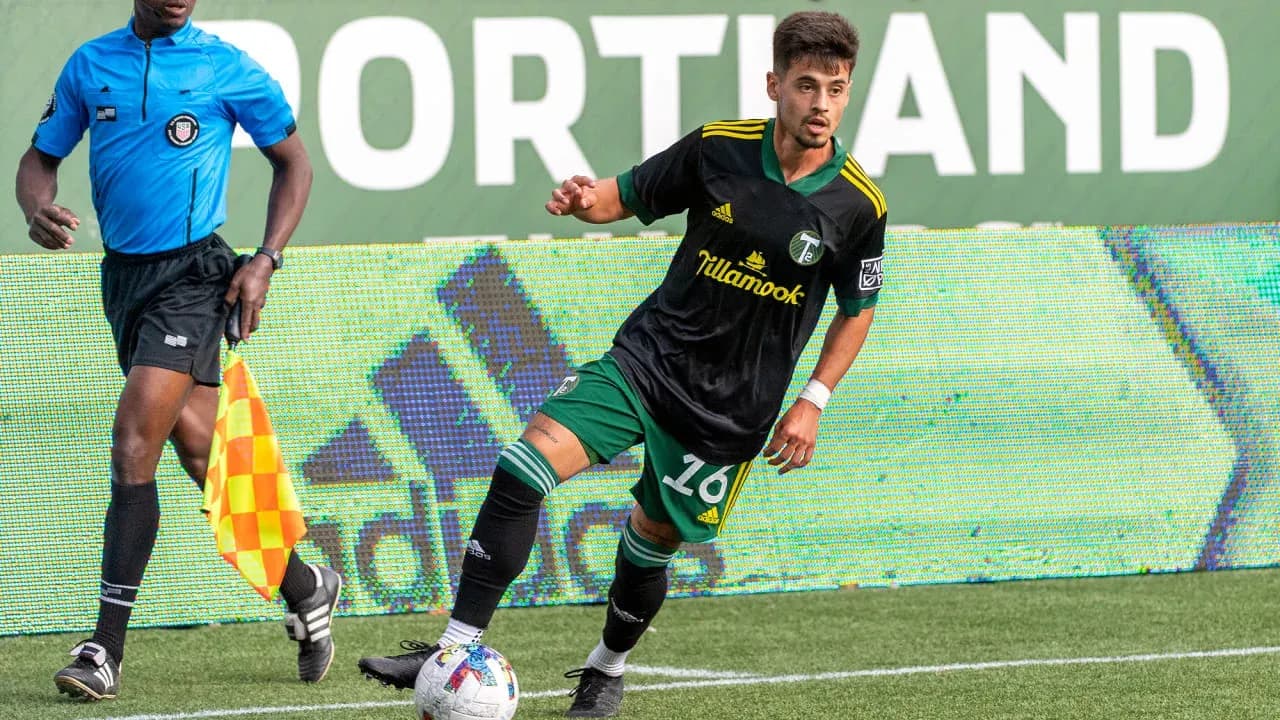
Sporting KC II Triumphs Over Real Monarchs in 3–1 Victory
Under the lights at Zions Bank Stadium, this Group Stage meeting in MLS Next Pro ended with a clear verdict: Sporting KC II walked off with a 3–1 away win, rewriting the tone of their season and puncturing the aura Real Monarchs had been building at home. Following this result, the table tells a nuanced story. Real Monarchs, fifth in the Pacific Division with 18 points from 12 matches, still look like a high-variance contender: 7 wins, 5 losses, no draws, and a goal difference of 0, with 20 goals scored and 20 conceded overall. Sporting KC II, sixth in the Frontier Division with 13 points from 15 matches and a goal difference of -20 (18 for, 38 against), remain fragile but suddenly far more dangerous on their travels.
I. The Big Picture – contrasting identities collide
Real Monarchs’ seasonal DNA is that of a team that plays on a knife edge. Heading into this game, they had won 7 and lost 5 in total, with no draws, averaging 1.9 goals for and 1.7 against overall. At home, they had been particularly bold: 1.8 goals scored and 1.8 conceded on average, only 1 clean sheet, and 2 matches at Zions Bank Stadium where they failed to score. It is a profile of a side that trusts its attacking rhythm but accepts chaos as part of the deal.
Sporting KC II came in as the league’s chaos merchants for different reasons. Overall, they had played 15 matches with 4 wins and 11 defeats, conceding 40 goals and scoring 19. On their travels, though, they were strangely liberated: 3 wins and 3 losses away, with 12 goals scored and 16 conceded, an average of 2.0 goals for and 2.7 against. They had not kept a single clean sheet all season, and had failed to score in 6 matches overall, but the away record hinted at a team more comfortable attacking space than breaking down a set defense.
The 3–1 away victory fits that pattern perfectly: Sporting KC II once again embraced risk, but this time their attacking edge outpaced their defensive frailties, while Real Monarchs’ high-wire act finally snapped.
II. Tactical voids and discipline – where the cracks appeared
There is no explicit injury or suspension list in the data, so the tactical voids must be read through selection and season-long trends. Mark Lowry’s Real Monarchs started with R. Alphin, G. Villa, D. Kropp, G. Calderon, R. Mesalles, C. Cowell, I. Amparo, L. O’Gara, Lineker Rodrigues, V. Parker and F. Ewald. It is a group that, across the season, has been asked to play front-foot football: 23 goals scored in total, including 14 at home, with their biggest home win a 2–0 and their biggest away win a 5–0. The cost of that ambition is discipline and defensive exposure.
The card data underlines that. Heading into this game, Real Monarchs took 31.25% of their yellow cards in the 76–90 minute window, a clear late-game surge of fouls as energy dips and game states become desperate. Another 21.88% of yellows came between 46–60 minutes, making the first quarter-hour of each half a danger zone for ill-timed challenges. They also had one red card overall, shown in the 31–45 minute range, a reminder that emotional spikes before half-time have already hurt them once this season.
Sporting KC II’s discipline is different but no less volatile. Their yellow-card peak sits earlier: 25.00% of their cautions arrive between 16–30 minutes, with another 20.00% between 31–45 minutes. They start aggressively and often pay for it, then distribute the rest of their bookings more evenly across the second half. Crucially, they have no red cards recorded, suggesting that while they flirt with the edge, they rarely step fully over it.
In this match, that contrast mattered. Real Monarchs, chasing from 0–1 down at half-time and eventually 1–3, were always at risk of tipping into that late-game yellow-card surge. Sporting KC II, by contrast, could channel their early aggression into duels and second balls, then manage the game once ahead.
III. Key matchups – Hunter vs Shield, Engine Room vs Enforcer
Without individual scoring tallies, the “Hunter vs Shield” battle is best read through units. Real Monarchs’ attack, averaging 1.8 goals at home, is built on the mobility of C. Cowell and the creativity of players like R. Mesalles and Lineker Rodrigues. The intention is clear: stretch the pitch, commit numbers forward, and trust that the volume of chances will outstrip the defensive concessions.
The “Shield” for Sporting KC II is not a single player but a collective that has struggled badly: 40 goals conceded overall, 24 at home and 16 away, with an away average of 2.7 goals against. Yet on their travels they are more compact between lines, using the work rate of J. Francka, P. Lurot and L. Antongirolami to compress space in front of the back line. In this 3–1 win, that Shield finally held long enough to let their Hunter roam.
Up front, the Hunter for Sporting KC II is a fluid front line featuring S. Donovan, C. Derksen, M. Rodriguez, K. Hines and T. Haas. The numbers show a side that thrives in broken-field situations: 12 away goals heading into this match, more than they had managed at home, with their biggest away win a 3–1 scoreline that this fixture ultimately mirrored. Against a Real Monarchs defense that had conceded 14 goals at home, also at an average of 1.8 per match, the matchup favored Sporting KC II whenever they could drag the game into transition.
In the engine room, the contest revolved around whether I. Amparo and L. O’Gara could control tempo and protect G. Calderon and D. Kropp behind them. On the other side, B. Mabie and D. Russo had a different brief: disrupt Monarchs’ build-up, win first and second balls, and release the front line quickly into the spaces left by advancing full-backs and midfielders. Over 90 minutes, Sporting KC II’s enforcers executed that plan better, turning turnovers into direct attacks that Real Monarchs could not fully absorb.
IV. Statistical prognosis – what this result signals
From an analytical standpoint, this 3–1 away win feels less like a freak event and more like the logical outcome of clashing profiles. Real Monarchs’ season-long numbers say they live in high-scoring, high-variance matches: 23 goals for and 20 against overall, with their biggest defeats at home and away both by three-goal margins. Sporting KC II, meanwhile, are accustomed to defensive suffering but have genuine attacking teeth away from home, with 2.0 goals per away match heading into this fixture and no clean sheets to fall back on.
If we project forward in xG terms, Real Monarchs’ attacking volume at Zions Bank Stadium should continue to generate roughly 1.8 xG at home, but their defensive structure is likely to concede in the 1.5–2.0 xG range against aggressive, transition-focused opponents. Sporting KC II, conversely, will probably continue to concede high xG totals given their 2.7 goals-against average, yet their away attack profiles as a consistent 1.8–2.0 xG threat whenever they can counter.
Following this result, the tactical lesson for Real Monarchs is stark: they cannot keep asking their forwards to outscore systemic defensive issues, especially against away sides that embrace risk. For Sporting KC II, this is the template: early aggression, vertical transitions, and a willingness to live with defensive exposure in exchange for attacking freedom. In a league defined by developmental volatility, this 3–1 scoreline feels less like an upset and more like two identities playing out to their logical extreme—with the visitors, this time, landing the heavier punches.