Sporting JAX and Brooklyn Battle to 2–2 Draw in USL Championship
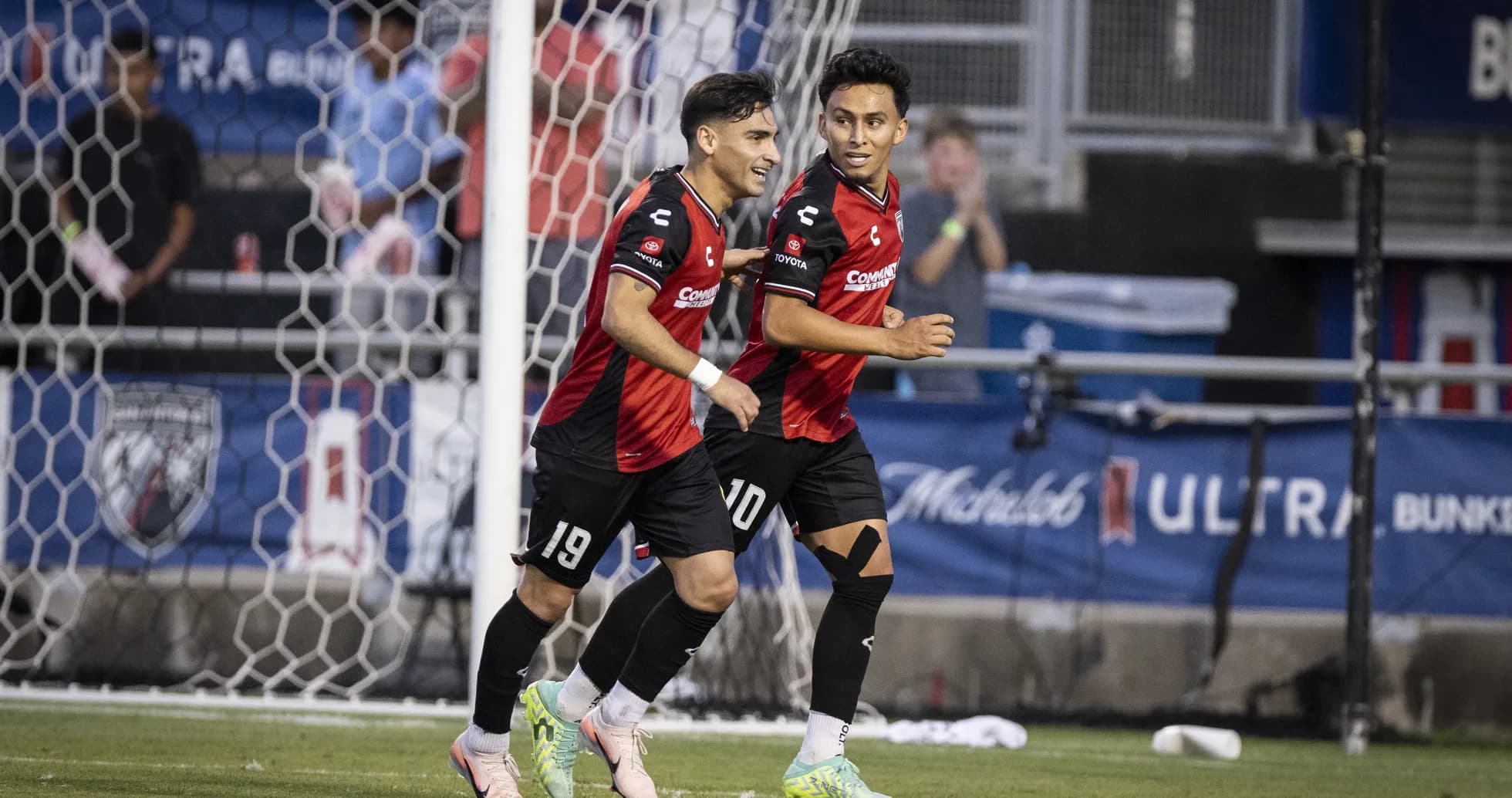
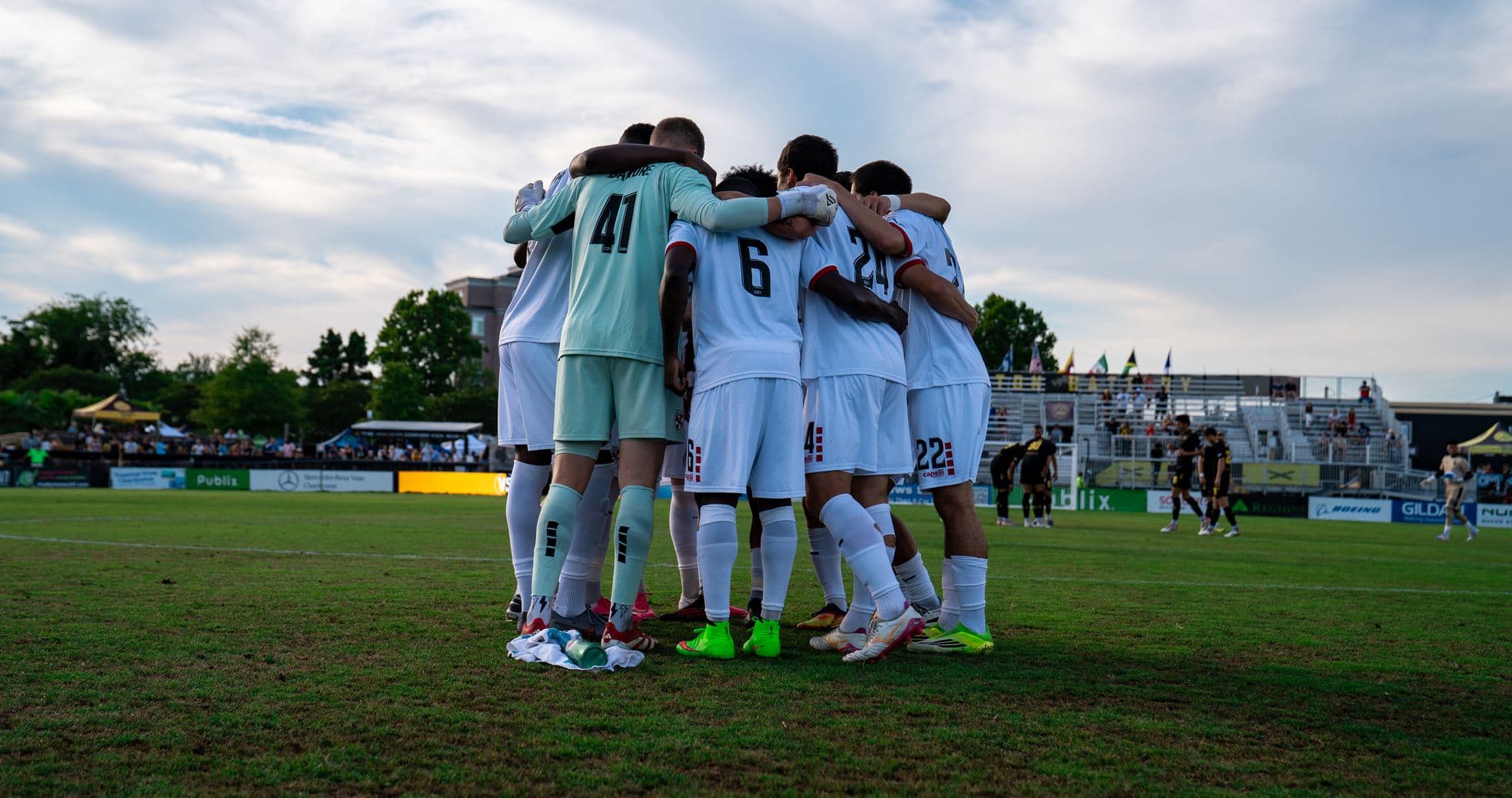
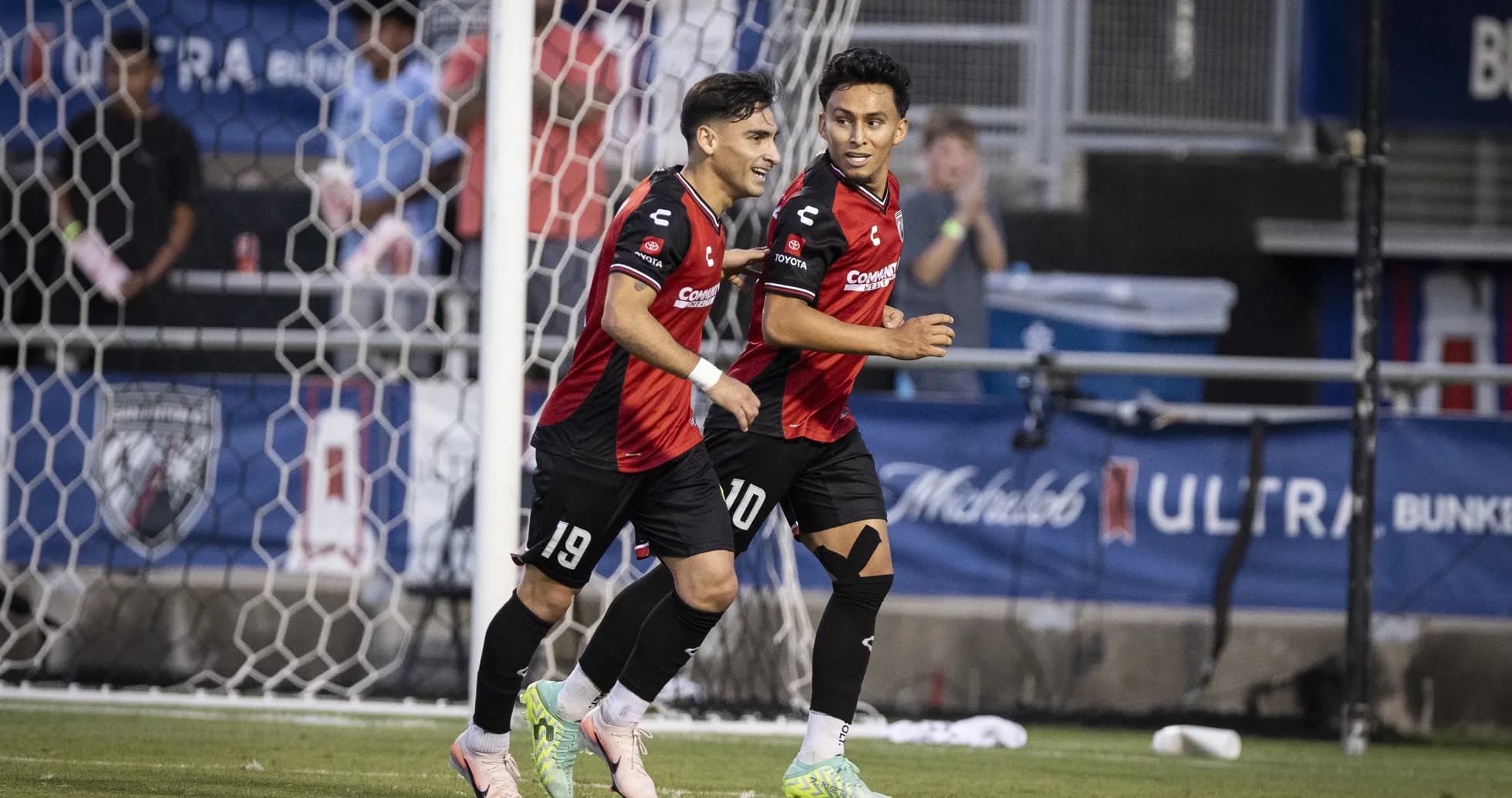
Under the lights at Hodges Stadium, Sporting JAX and Brooklyn shared a 2–2 draw that felt less like a deadlock and more like a tactical ceasefire between two flawed but combative sides. In a USL Championship Group Stage where both clubs have been fighting gravity, this fixture became a snapshot of their seasonal DNA: chaotic defending, sporadic quality in possession, and a persistent refusal to accept defeat.
Heading into this game, the table framed the contest as a meeting of strugglers. Sporting JAX sat 13th in USL 1 with 3 points from 11 matches, still searching for a first win. Their overall record — 0 wins, 3 draws, 8 losses — had been underpinned by a goal difference of -14, the product of 12 goals for and 26 against. At home they had been slightly more enterprising, scoring 8 times across 5 matches for a home average of 1.6 goals, but conceding 14 at an alarming home rate of 2.8. Brooklyn arrived only marginally better off, 12th with 8 points from 11 games, their own overall goal difference of -9 built from 11 scored and 20 conceded. On their travels, Brooklyn’s defensive record had been brutal: 15 goals conceded in 5 away games, an away average of 3.0 against.
Within that context, a 2–2 scoreline was almost predictable: two teams whose defensive structures leak, whose attacking phases flicker rather than burn, and whose seasons have been defined by instability.
I. The Big Picture: How the sides were built
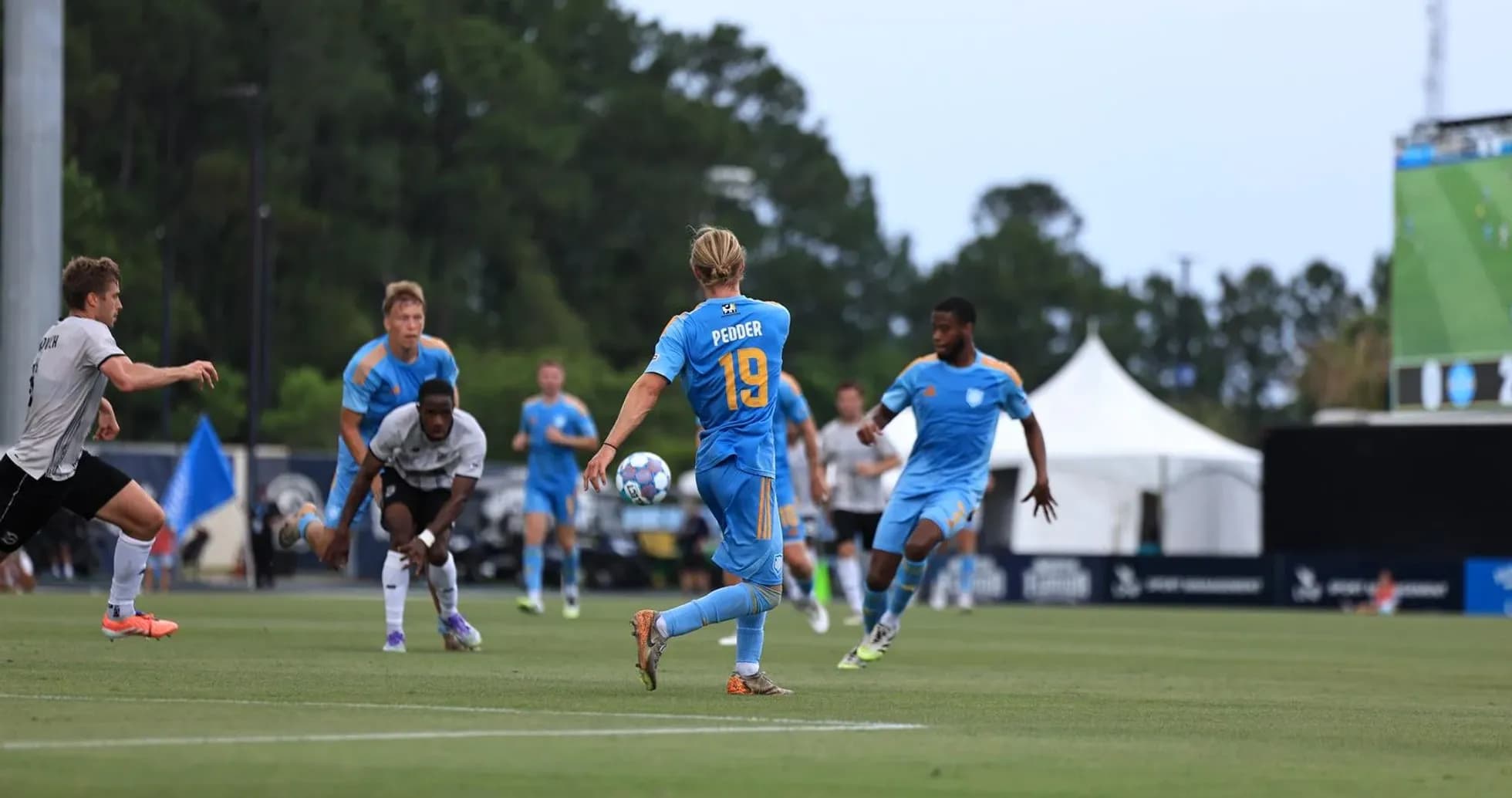
Sporting JAX’s starting XI hinted at a side still in search of a settled identity. With no recorded formation, the names tell the story instead. C. Olivares anchored things from the back, supported by a defensive line featuring H. Neville, R. Edwards, A. Gomez and E. Rito. In front of them, W. Kuzain and J. Rossiter formed the spine of the midfield, with R. Pedder and T. Rose likely tasked with connecting lines, and E. Jaaskelainen and K. Sadlier carrying the attacking threat.
The bench — J. McGuire, A. Reid, W. Ackwei, J. Evans, P. Elias, E. Dudley and L. Granitur — offered a mix of defensive cover and fresh legs in wide and central areas, but not the kind of proven firepower that changes a season in a single substitution vector.
Brooklyn mirrored that sense of experimentation. J. Lee started in goal behind a back line built around R. McLaughlin, V. Latinovich, T. Vancaeyezeele and Gabriel Alves. The midfield core of M. Pinto and T. McNamara was flanked and supported by S. Stojanovic, P. Mangione and C. Olney JR, with J. Obregon leading the line. From the bench, L. Burns, S. Hundal, J. Servania, T. Okiyoshi, A. Kante, J. Klein and C. Frogson gave Brooklyn options across every line but, as with JAX, not a clearly defined game-breaking profile.
II. Tactical Voids: Discipline and structural frailty
Injury data was unavailable, but the season-long statistical profile of both sides reveals where the tactical voids lie. For Sporting JAX, the defensive structure has been porous from the opening whistle to the final one. Overall they concede 2.4 goals per game, and at home that climbs to 2.8. Clean sheets? None — 0 in total, 0 at home, 0 away. They have failed to score in 5 of 11 fixtures overall, but when the attack does function at Hodges Stadium, it often comes at the cost of defensive balance.
Their disciplinary record amplifies that fragility. Yellow cards skew late: 27.59% of their cautions arrive between 76–90 minutes, with another 20.69% between 61–75 and 20.69% between 46–60. This paints a picture of a team that tires, chases games, and becomes increasingly reckless as the clock runs down. Red cards are split between 16–30 minutes and 76–90, each accounting for 50% of their dismissals — a sign that both early emotional volatility and late desperation can rip holes in their shape.
Brooklyn’s defensive void is more situational: they are relatively compact at home but unravel on their travels. On their travels they concede 3.0 goals per game, compared to just 0.8 at home. They have yet to keep a clean sheet away, and have failed to score in 2 away fixtures, suggesting that when their structure collapses, it does so comprehensively.
Their disciplinary profile is slightly more balanced but still telling. Yellow cards spike between 46–60 and 61–75 minutes, each window accounting for 20.83% of their cautions, with a late surge between 91–105 at 25.00%. That implies a side that struggles to manage transitions immediately after half-time and in extended late phases, which can be crucial in tight games.
III. Key Matchups: Hunter vs Shield, Engine Room vs Enforcer
Without explicit top-scorer or assist data, the “hunter” roles for Sporting JAX must be inferred from the front unit: K. Sadlier and E. Jaaskelainen as the primary goal threats, with support from R. Pedder and T. Rose. Their collective challenge is to exploit Brooklyn’s travel sickness. With Brooklyn conceding 15 goals in 5 away matches, any structured pressure from JAX’s front line should, in theory, generate chances.
The “shield” for Brooklyn is built around the central defensive pairing of V. Latinovich and T. Vancaeyezeele, with M. Pinto screening in front. Their task is to compress space between the lines and prevent Sadlier and Jaaskelainen from receiving on the half-turn. If Brooklyn can keep their defensive line compact and avoid the typical away-game unraveling, they can turn JAX’s reliance on individual sparks into isolated half-chances.
In the engine room, the duel between W. Kuzain and J. Rossiter on one side and M. Pinto with T. McNamara on the other is decisive. JAX’s midfield must protect a back line that concedes too many shots and too many goals; Brooklyn’s pair must connect a side that averages only 1.0 goal per game overall, both home and away. Whoever controls second balls and tempo will dictate whether this becomes a stretched, chaotic contest (which probably favors Brooklyn’s counter-punching) or a more controlled siege (which could finally deliver Sporting JAX their elusive first win).
IV. Statistical Prognosis: What the numbers say
Heading into this game, the Expected Goals story — though not explicitly provided — can be inferred from volume and efficiency. Sporting JAX’s overall scoring rate of 1.1 goals per match, paired with 2.4 conceded, suggests they are consistently out-chanced and out-finished. Brooklyn’s overall 1.0 for and 1.8 against indicates a side that is marginally more compact but still second best in most contests, particularly away.
Given Brooklyn’s away concession rate of 3.0 and JAX’s home scoring rate of 1.6, the statistical prognosis leans toward high-event matches when these profiles collide. JAX’s inability to keep clean sheets and Brooklyn’s habit of conceding in clusters on their travels create a tactical environment where momentum swings are almost guaranteed.
Following this result, the 2–2 draw fits the broader narrative: neither side has yet found the defensive solidity to control games, nor the attacking ruthlessness to compensate for those flaws. For Sporting JAX, the point offers a glimpse of resilience but does not change the underlying numbers. For Brooklyn, it is another away day where their structural weaknesses prevented them from turning promise into three points.
The tactical preview for their next encounters is clear: unless Sporting JAX can tighten their late-game discipline and defensive shape, and unless Brooklyn can transplant their home solidity onto their travels, both will remain locked in survival mode rather than pushing up the USL 1 table.