Cape Verde's World Cup Journey: From Underdogs to Contenders
Cape Verde arrived at this World Cup as a postcard nation, a scattered cluster of islands off the west coast of Africa. They leave the group stage as something far more substantial: a team that refused to blink on football’s biggest stage.
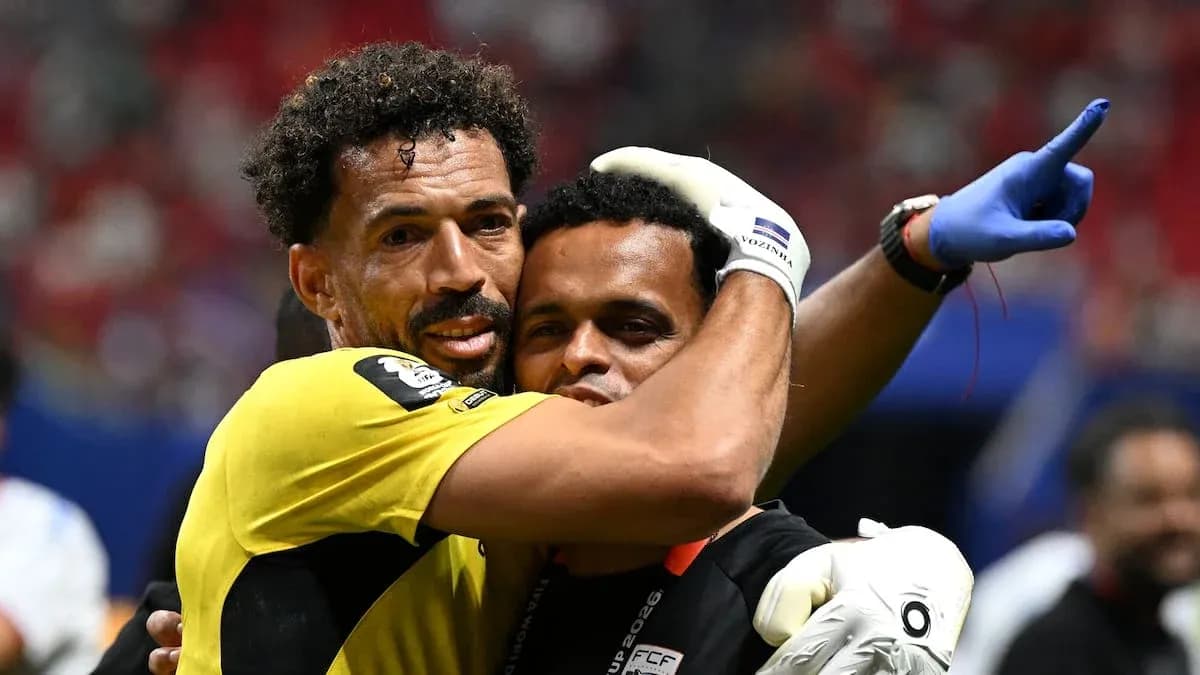
Coach Bubista, with history within reach, took a calculated gamble for the decisive clash with Saudi Arabia in Houston. He changed half his starting XI, some of it forced on him, some of it tactical. One decision, though, never came under discussion: Vozinha stayed in goal.
The 40-year-old had already written himself into Cape Verdean sporting folklore. He stood almost alone between Spain and a rout in their opening match, clawing, blocking and scrambling his way through a barrage as the World Cup debutants clung on for a remarkable point against the European champions. That result, on its own, felt like a story.
Then came Uruguay. Two-time world champions, tournament regulars, expected to swat aside the newcomers. Instead, Cape Verde fought them to a 2-2 draw, trading blows and refusing to go away. Suddenly, the fantasy hardened into something tangible: a real shot at the knockout rounds.
All of it fed into the tension in Houston, where Saudi Arabia — still alive themselves after a 1-1 draw with Uruguay and a 4-0 hammering by Spain — stood in their way. At the same time, in Guadalajara, Spain and Uruguay were locked in a parallel battle, a heavyweight meeting that would shape the destiny of this unexpectedly tight group.
Cape Verde did not shrink from the occasion. They edged the first half, sharper in thought and touch than a Saudi side that never quite shook off the scars of that defeat to Spain. Bubista’s team pressed with intelligence, picked their moments to break, and carried just enough threat to keep the green shirts retreating.
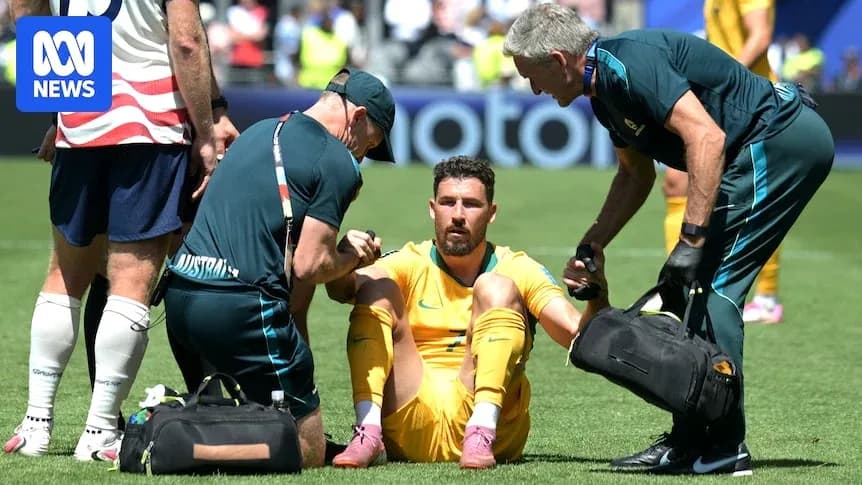
Saudi Arabia’s night darkened on 33 minutes. Hassan al-Tambakti, their experienced defender and organiser at the back, went down and stayed down. The stretcher came on; he went off. It felt like more than a substitution. It felt like a crack in their composure.
News then filtered through from Mexico. Spain had taken the lead against Uruguay before the interval. In the stands in Houston, Cape Verde fans erupted, the cheer rolling around the arena like a wave. At that point, the equation was simple: with the score still goalless in Texas, Cape Verde were going through at Uruguay’s expense.
On the pitch, the game tightened. Willy Semedo flashed a shot not far wide of the Saudi post, a reminder of the underdogs’ menace, but the half closed with neither side carving out a truly clear chance. The tension, though, was unmistakable. Every misplaced pass drew groans, every tackle a roar.
The second half opened with Cape Verde’s best chance of the night. Three minutes after the restart, Jamiro Monteiro found himself close in, the ball sitting up invitingly. The moment begged for conviction. His finish lacked it. A tame effort, easily dealt with, and a huge opportunity gone.
Cape Verde did not retreat into their shell. Kevin Pina stepped up from distance, driving a fierce effort that skimmed just wide, the ball whistling past the frame of the goal. Each attack carried a double edge: the promise of glory, the fear of a sucker punch at the other end.
As the match moved into its final quarter, the pressure tightened like a vice. Strangely, it was Saudi Arabia, the side that needed to chase the game, who ran out of ideas. Their buildup grew laboured, their passing predictable, their forays forward swallowed up by a Cape Verde team that defended with clarity and conviction.
The closest the Saudis came to flipping the narrative arrived on 75 minutes, and even then it was Cape Verde who carved the chance. Laros Duarte broke through and forced Mohammed al-Owais into a vital save, the Saudi goalkeeper springing into action to keep his side alive.
A draw was enough for Cape Verde. You would not have known it from their approach. As the minutes bled away, it was the islanders who looked likelier to land the decisive blow, still pushing, still probing, still believing there might be one more twist.
The final whistle locked in more than just a point. It sealed a campaign that began with respectability as the aim and ended with the established order glancing nervously over its shoulder. Cape Verde came to this World Cup as unknowns. They leave as a problem no one will take lightly again.