Colorado Springs vs San Antonio: Match Analysis and Insights
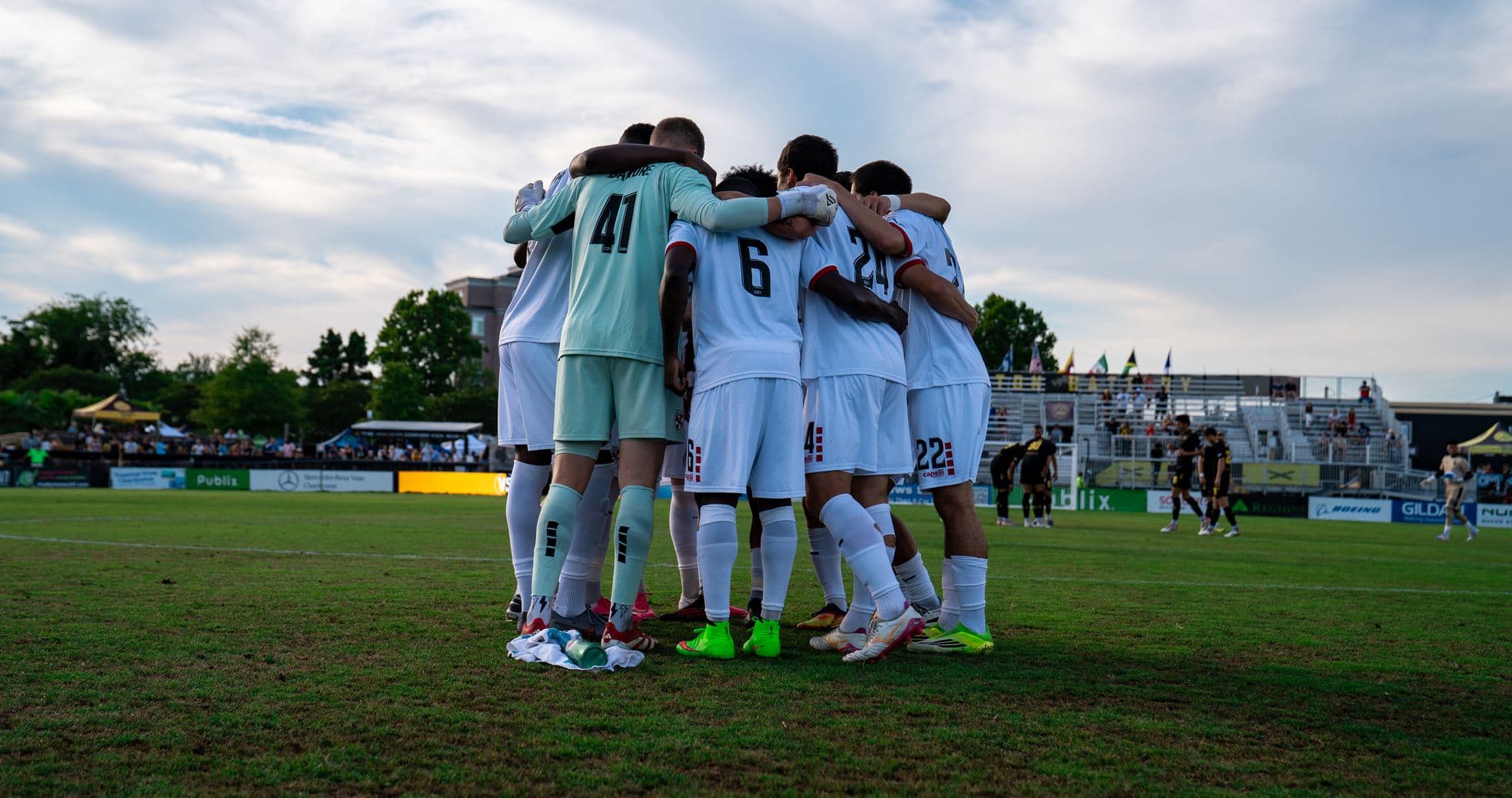
Weidner Field under the lights, a thin mountain air and a table tilted in opposite directions: Colorado Springs coming in 9th in USL 1, San Antonio riding in 2nd with promotion play-off ambitions. Following this result, the 2-1 away win feels like a distillation of both teams’ seasonal DNA rather than an anomaly.
Colorado Springs arrived as a side of fine margins. Overall this campaign they had 4 wins, 4 draws and 5 defeats from 13, with 21 goals scored and 21 conceded for a goal difference of 0. At home they had been almost perfectly balanced: 6 played, 2 wins, 2 draws, 2 losses, 11 goals for and 9 against. Their scoring profile is aggressive after the interval – 46-60 minutes is their sharpest attacking window with 5 goals, 26.32% of their total, followed by 61-75 minutes (4 goals, 21.05%). Defensively, though, the same second half has been their undoing: 61-75 minutes accounts for 6 goals conceded (26.09%), and 76-90 minutes another 7 (30.43%). This is a team that both comes alive and unravels after half-time.
San Antonio, by contrast, came in as a control side. Overall they had 6 wins, 6 draws and just 2 defeats from 14, with 20 goals scored and 17 conceded for a goal difference of 3. On their travels they had played 8, winning 2, drawing 4 and losing 2, scoring 10 and conceding 12. Their scoring is more evenly spread but with a late-game edge: 76-90 minutes is their most prolific band with 5 goals, 23.81% of their total, while 16-60 minutes is a broad, steady production zone (4 goals in each 16-30, 31-45 and 46-60 ranges, all at 19.05%). Defensively, their vulnerability had typically come just after the break, with 5 goals conceded between 46-60 minutes (31.25%).
Into that statistical tension stepped two coaches with very different problems. Alan McCann’s Colorado Springs had no listed absentees but carried the burden of a season with only 1 clean sheet overall and none at home. Their penalty record – 6 awarded, 5 converted, 1 missed – hinted at both their front-foot approach and the small edges they had let slip. Carlos Llamosa’s San Antonio, meanwhile, had built a platform on structure: 5 clean sheets overall, including 3 at home and 2 away, and no penalties taken or missed. Their disciplinary record shows a side that accepts the grind: yellow cards cluster between 46-75 minutes (each of 46-60 and 61-75 carrying 9 yellows, 20.93%), suggesting an outfit willing to foul to manage transitions.
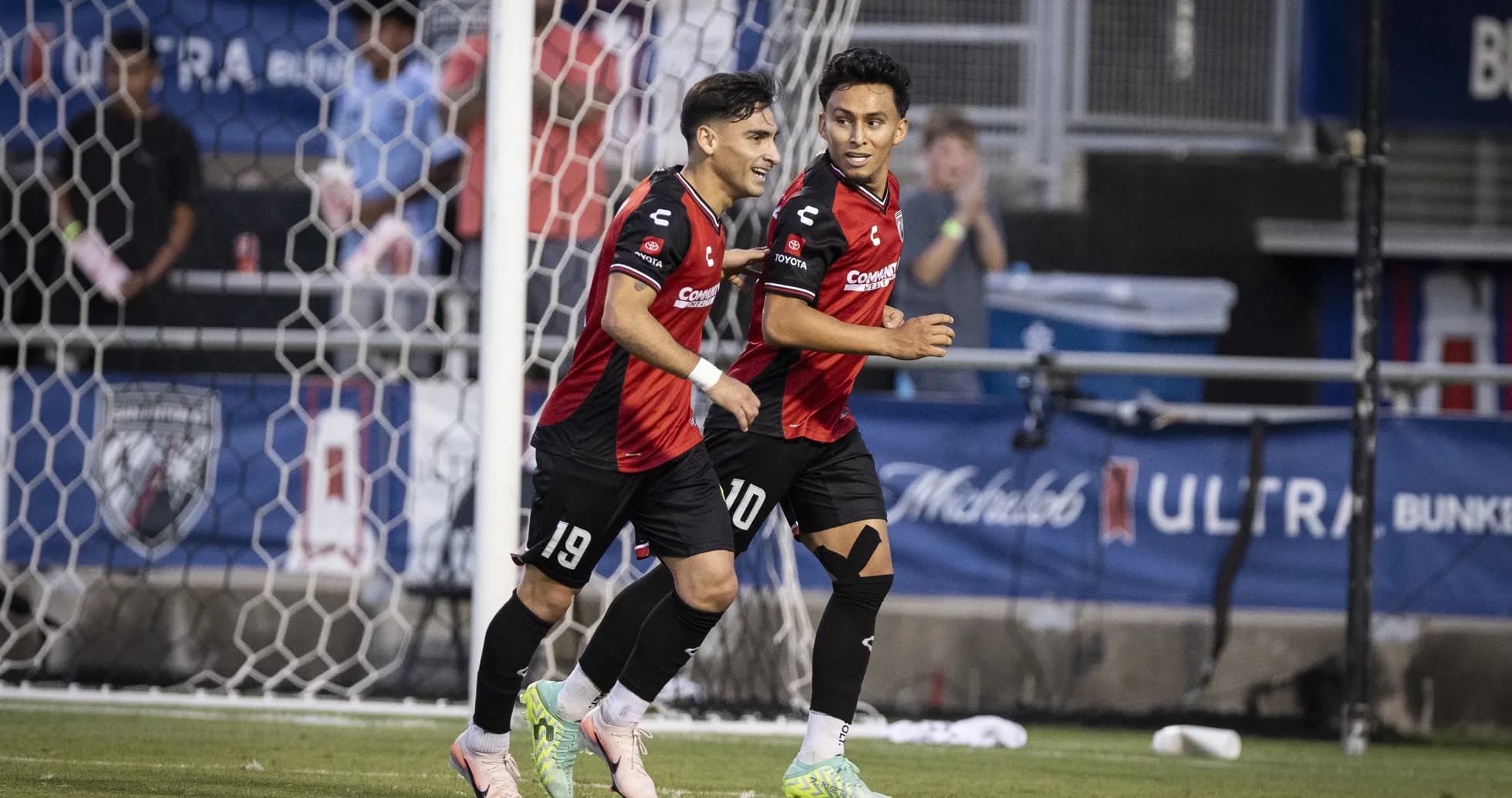
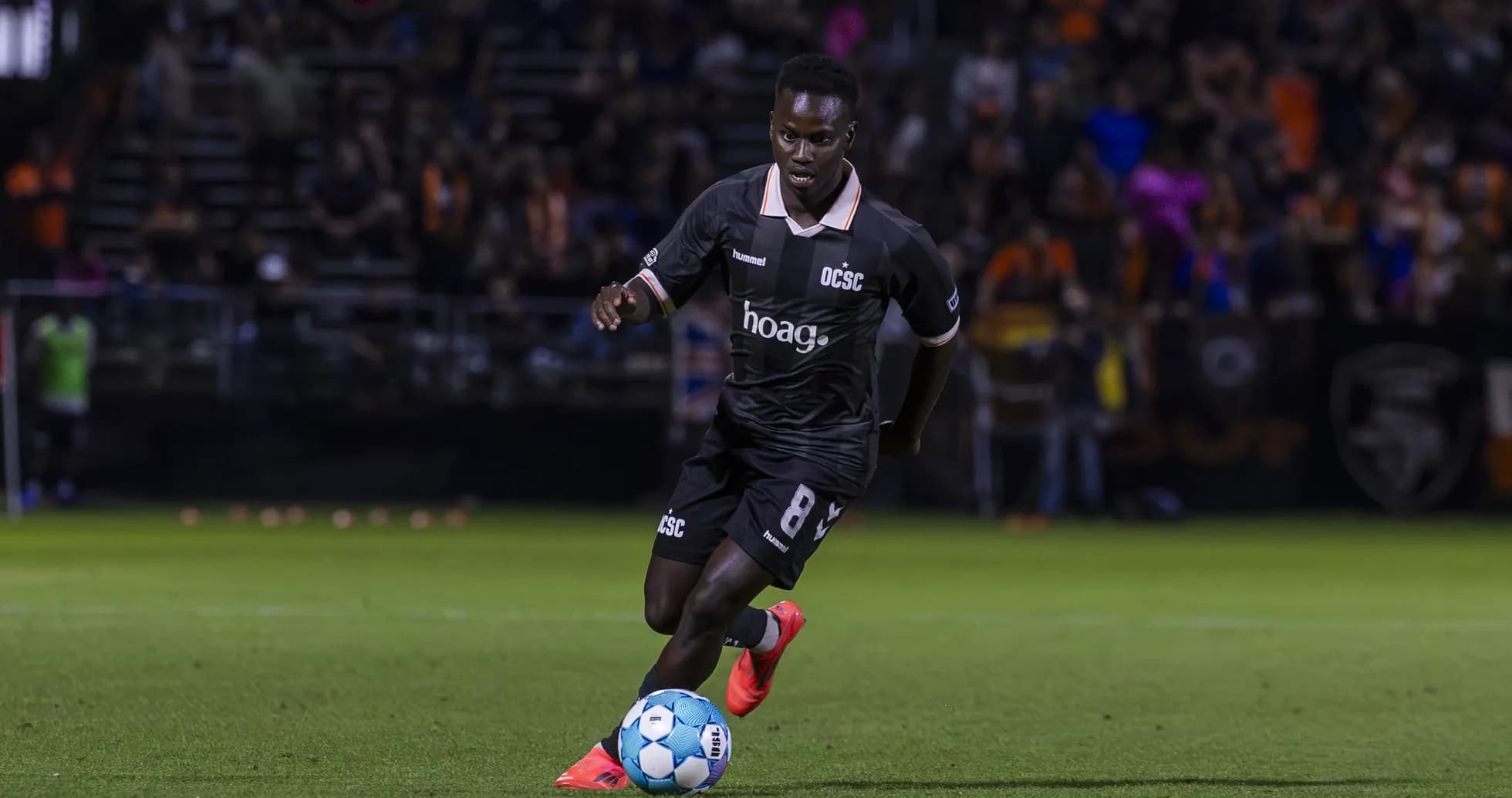
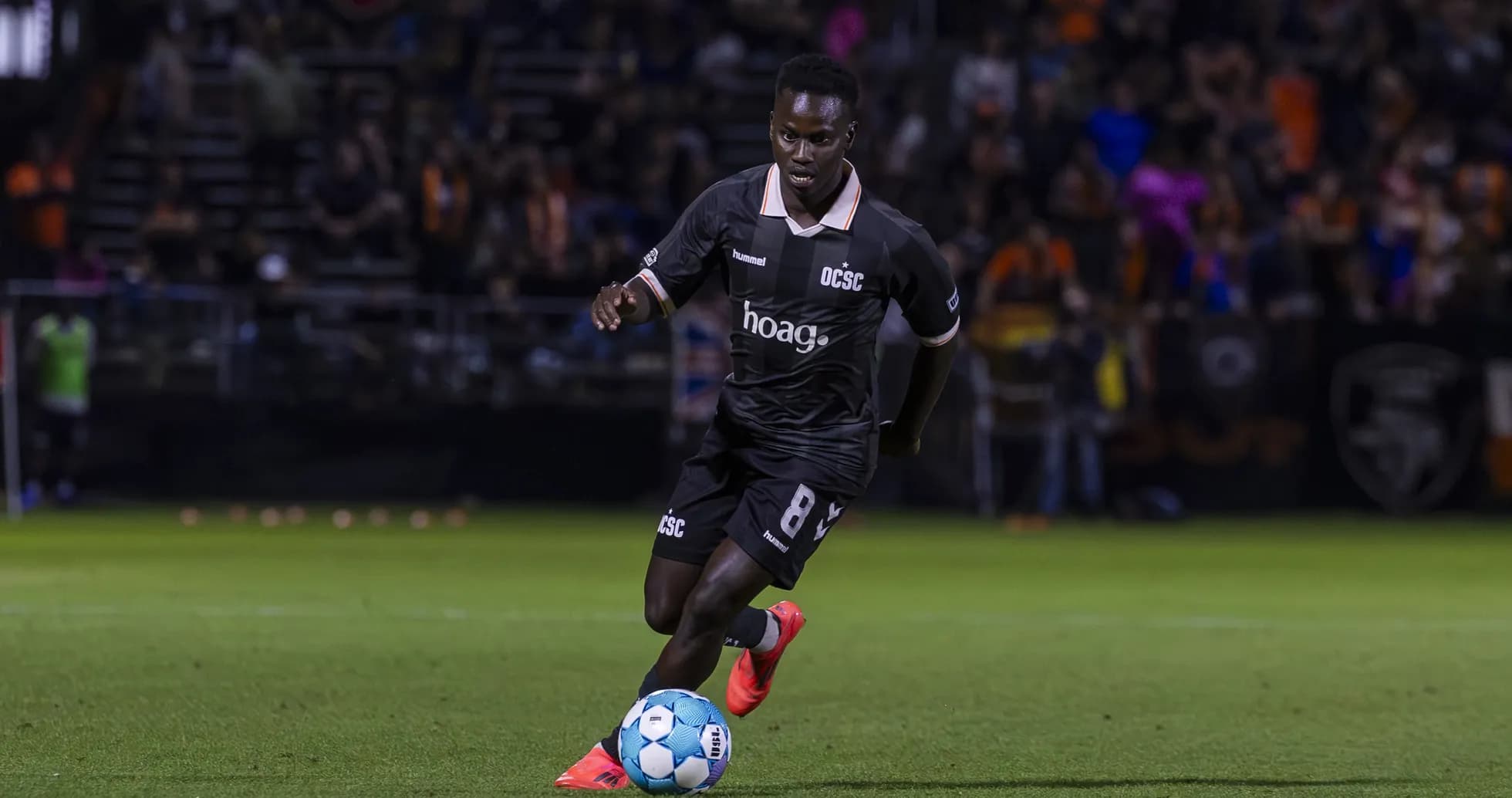
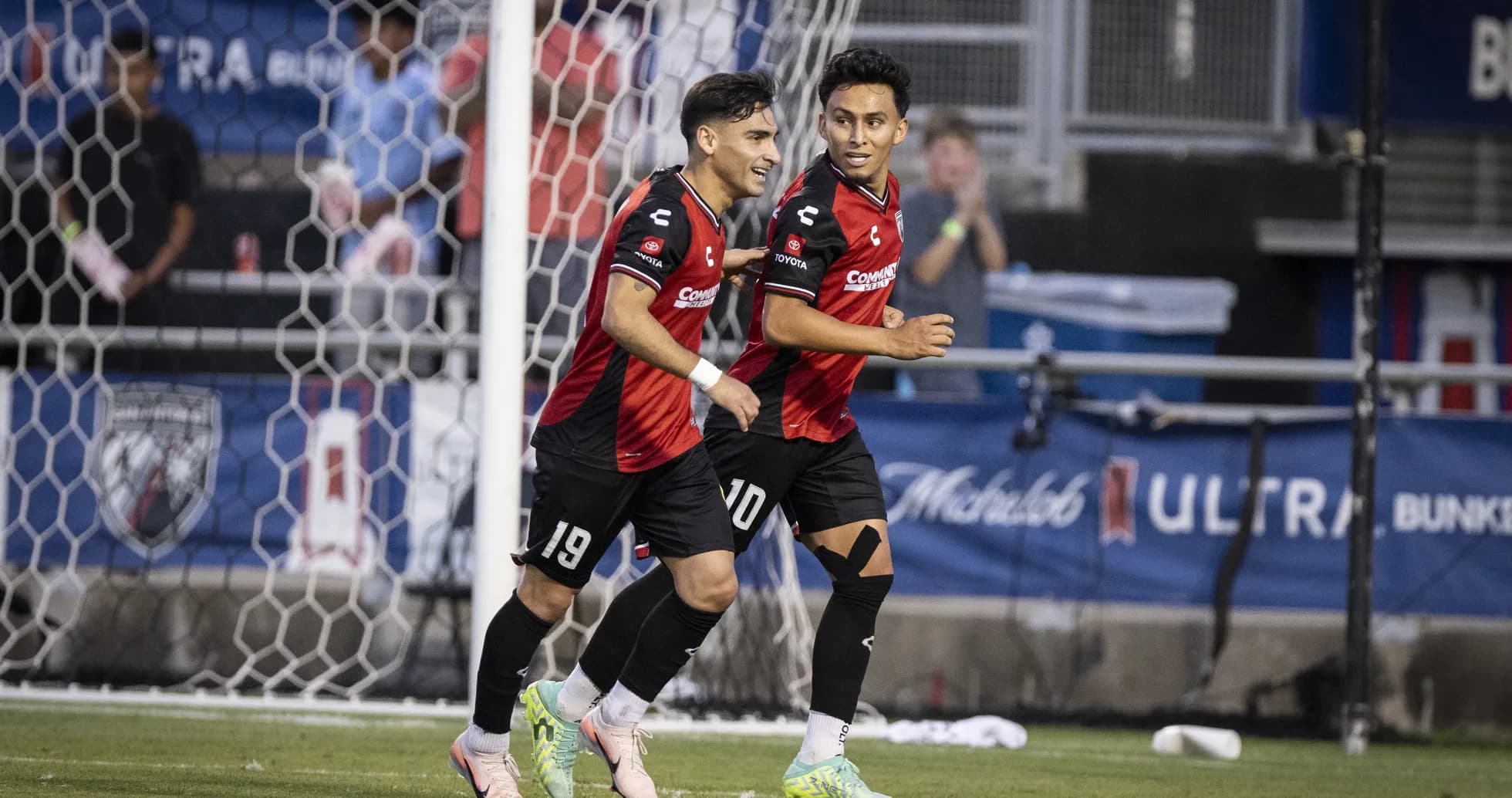
The lineups told their own tactical stories. Colorado Springs’ XI, anchored by goalkeeper C. Shutler, leaned on a spine of M. Mahoney and T. Maples at the back, with A. Rocha and B. Creek offering legs and bite in front. The creative burden naturally fell on A. Perez, wearing 10, flanked by the mobility of J. Tejada and Y. Hanya, with K. Bennett as the focal point. From the bench, the presence of J. Fjeldberg, D. Williams and L. Johnson offered McCann different profiles of attacking change – runners, dribblers, and an extra finisher.
San Antonio’s starting group, with J. Batrouni in goal, looked built for control and aerial dominance. A back line featuring A. Ward, A. Crognale, D. Barbir and M. Taintor promised physicality and strong first contacts. Ahead of them, E. Cuello and J. Hernandez suggested an “engine room” capable of both pressing and progression, while L. Berron and M. Maldonado offered width and work rate. Up front, D. Erofeev and C. Sorto gave Llamosa the option to alternate between direct play and more intricate combinations. The bench – S. Patino, C. Parano, L. Haakenson, N. Hernandez – was rich in game-changers and late-running midfield legs.
The disciplinary subplot mattered. Colorado Springs’ yellow-card timing shows a side that often gets stretched as games develop: 46-60 minutes is their peak with 5 yellows (21.74%), followed by 76-90 minutes with 4 (17.39%) and a surprisingly high 91-105 band at 3 (13.04%). That pattern mirrors their defensive collapses in the final quarter of an hour and hints at tired, reactive defending. San Antonio’s cards cluster in the same middle and late phases, but they concede fewer goals late (only 2 against in 76-90, 12.50%), suggesting their fouls are more strategic than desperate.
This is where the “Hunter vs Shield” dynamic crystallises. Colorado Springs, with 1.8 home goals per game and only 1.5 conceded at Weidner Field, are an assertive attacking home side but rarely watertight. San Antonio’s “shield” away from home allows 1.5 goals per game, but their broader defensive profile – 1.2 conceded overall – points to a unit that bends more on their travels. The intersection of Colorado Springs’ post-interval attacking surge (46-75 minutes accounting for 9 of their 21 goals, 47.37%) and San Antonio’s own soft spot just after half-time (46-60 minutes being their worst defensive window) was always likely to define the middle third of the match.
In the “Engine Room” duel, A. Perez against the tandem of E. Cuello and J. Hernandez was pivotal. Perez’s role as Colorado Springs’ connector is underscored by the team’s reliance on central creativity to unlock their best attacking spell straight after the break. Cuello and Hernandez, by contrast, are the stabilisers in a San Antonio side that scores at a steady 1.4 goals per game overall but leans on midfield control to keep games within their narrow margins.
Following this result, the statistical prognosis for both sides hardens rather than shifts. Colorado Springs remain the archetype of volatility: they create enough to threaten any opponent, especially at home, but their late-game fragility and lack of clean sheets at Weidner Field keep them in the middle pack. San Antonio, with their compact record of 6 wins, 6 draws and only 2 defeats, reinforce the image of a side built for knockout football: resilient, comfortable in tight scorelines, and with a pronounced ability to land decisive blows in the final 15 minutes.
If this had been a 1/8 final rather than a group-stage night, the blueprint would be clear. Colorado Springs would need to front-load their energy, target the 46-60 window where San Antonio’s defensive numbers wobble, and hope their penalty-taking edge tips the balance. San Antonio, meanwhile, would trust their structure, drag the tie into the last quarter-hour where they score 23.81% of their goals, and lean on a deep bench of attacking substitutes to finish the job. On this night at Weidner Field, that long-game, disciplined approach won out – and it is exactly what makes them look like a side built for a promotion play-off run.