Muslera's Nightmare: Uruguay's World Cup Collapse and Bielsa's Dilemma
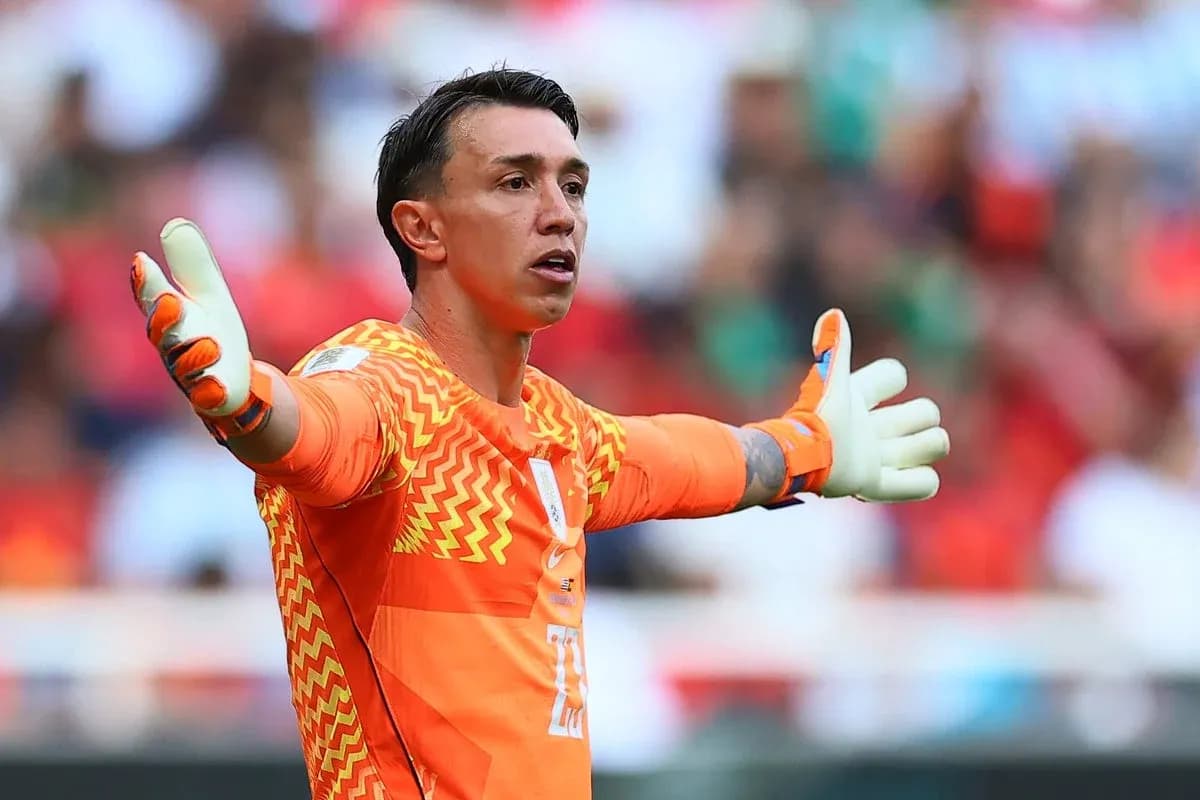
Fernando Muslera’s World Cup may well be remembered as the tournament that finally broke him on the biggest stage. It ended not with a save, not with a heroic stand, but with a walk down the tunnel at half-time, substituted in a 1-0 defeat to Spain that sealed Uruguay’s early exit from the 2026 World Cup.
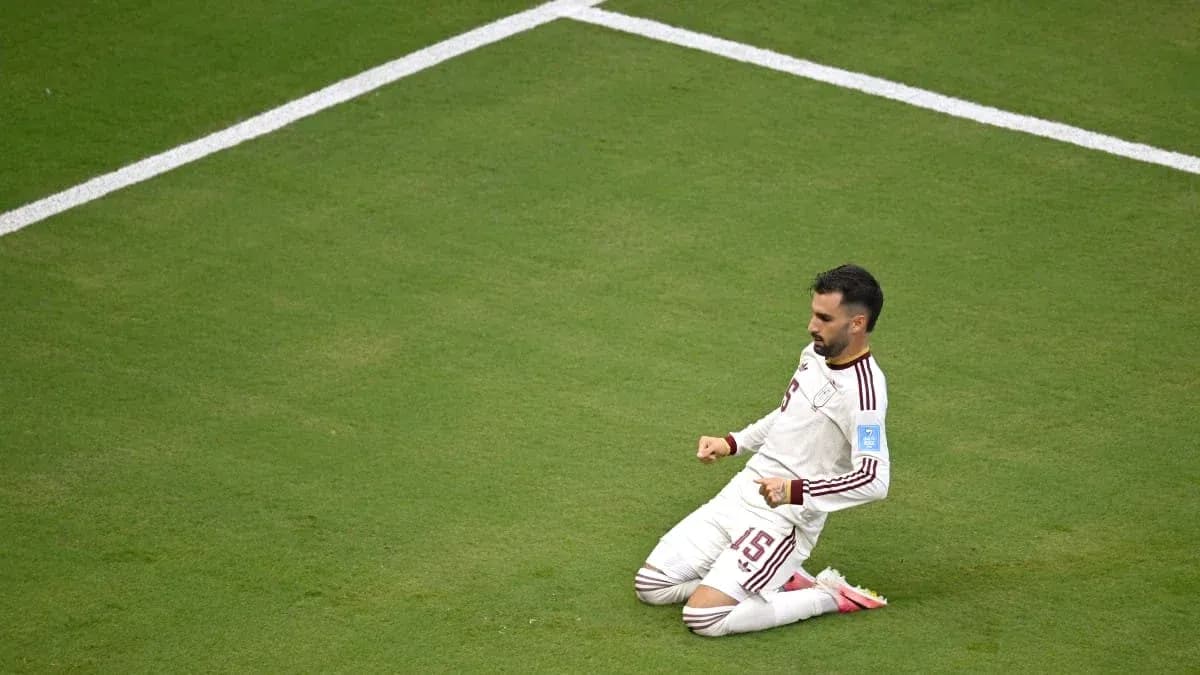
The veteran goalkeeper, now at Estudiantes, endured a brutal campaign for La Celeste. His mishandling of a tame Alex Baena effort gifted Spain the only goal of the game, the ball trickling past him and into the corner as he reacted in fury, screaming in frustration at his own mistake.
That moment did more than decide a match. It carved Muslera into an unwanted chapter of World Cup history: the first goalkeeper on record, since statistics began in 1966, to commit three errors directly leading to goals in a single World Cup campaign.
For a player who has been a symbol of Uruguay’s resilience for more than a decade, it was a cruel, public unravelling.
A Substitution Loaded With Symbolism
When Muslera did not emerge for the second half and Sergio Rochet took his place, it felt like a statement from Marcelo Bielsa, the kind of ruthless call elite coaches sometimes make when a campaign is slipping away.
But Bielsa insisted the decision was not his.
“The Muslera change was not my decision, it was Fernando,” he told Uruguayan television after the defeat, laying bare just how shattered his goalkeeper was by the error and the wider campaign.
That substitution carried historical weight as well. It was the first time Uruguay had replaced a goalkeeper in a World Cup match since substitutions were introduced at Mexico 1970. For a nation that prides itself on loyalty and stubbornness, even in adversity, seeing their No 1 voluntarily step aside in a must-not-lose game underlined the depth of the crisis.
Bielsa cut a stark, self-critical figure in the aftermath. “I couldn't boost the Uruguay players, I leave nothing to the country,” he admitted, a damning assessment of his own impact. He also revealed that with Federico Valverde’s withdrawal he had been chasing greater attacking presence, another call that will be fiercely debated back home.
Valverde Hooked, Uruguay Out
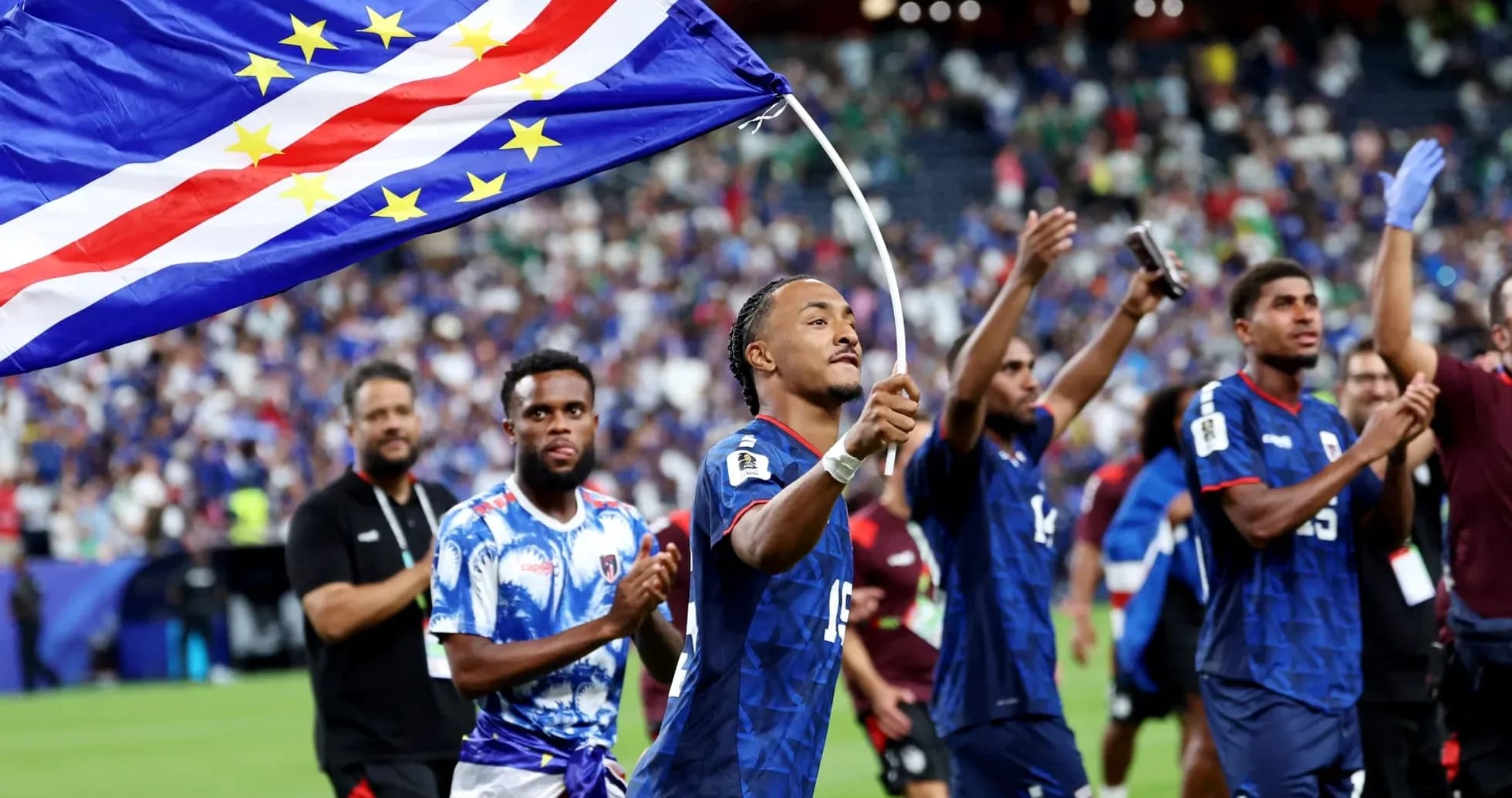
Uruguay entered the night needing only a draw to escape Group J, having already stumbled to draws with Cabo Verde and Saudi Arabia. They managed neither the control nor the cutting edge required.
Spain were not at their dazzling best but did not need to be. Once Baena’s shot slipped through Muslera, the equation changed. Uruguay, chasing the game, never truly convinced that they believed in a comeback. The tension grew, the passes grew looser, the attacks more hopeful than structured.
Then came another flashpoint. On 56 minutes, with Uruguay still searching for a way back, Bielsa removed Real Madrid star Valverde after a subdued display. It was a bold move, stripping the side of their most high-profile name on the biggest stage.
The idea, Bielsa said, was to add more presence in attack. The reality: Uruguay never found it. They finished their World Cup with two points, no wins, and a sense of a campaign that never really started.
Bielsa Under the Spotlight
All of this unfolds against a backdrop of speculation about unrest within the camp and Bielsa’s future now hanging in the balance. The early exit, the visible cracks in confidence, the controversial decisions – from Muslera’s continued selection through to Valverde’s early withdrawal – all feed into a narrative of a project that has stalled at the first major test.
Uruguay came to this World Cup expecting to scrap, to suffer, to embody the familiar garra charrúa. Instead, they leave with a goalkeeper broken by errors, a coach publicly doubting his own contribution, and a fanbase wondering where the identity of this team has gone.
Muslera’s half-time walk summed up more than one man’s nightmare. It captured a campaign that fell apart under its own weight – and left a country asking whether Bielsa is still the man to pick up the pieces.