Scotland's Young Fan Meets Angus Gunn at World Cup in Boston
The Scotland squad are sealed away in their Boston base, the usual cocoon of security and schedules. But every now and then, the World Cup bubble lets in a bit of real life.
For Daniel Nevin, 13, that moment came in the hotel lobby.
The young Scotland fan, who turns out for St Cadoc’s Youth Club in Glasgow, found himself within walking distance of his national team this morning and did what any sharp-eyed teenager would do: he went looking. He didn’t come back empty-handed.
Waiting at the team hotel in Boston, Daniel met Scotland’s first-choice goalkeeper Angus Gunn and grabbed a photo with the man charged with keeping their World Cup hopes intact. No autograph-hunting scrum, no media line — just a kid, a keeper and a snapshot he’ll talk about for years.
His father, Tommy Nevin, 55, watched it unfold. Daniel, he said, was “delighted” to meet Gunn and is now willing the Norwich City goalkeeper to repay the favour on the pitch, hoping he delivers a clean sheet tonight against Morocco. One brief encounter, and suddenly a group-stage fixture carries a little more weight for a family from Glasgow.
While Daniel was banking memories in Boston, the tournament’s other co-hosts were doing the same on the pitch.
Co-hosts flex their muscles
Mexico and Canada both woke up this morning with the World Cup beginning to tilt their way.
Canada, desperate for a statement after a flat start to the tournament, tore into Qatar with a 6-0 demolition to claim their first win of this World Cup. Six goals, a shutout and a surge of belief for a team still learning how to handle the global stage. It came at a cost, though, with a horror injury marring what should have been a straightforward celebration and reminding everyone how thin the margins can be in a month-long slog.
Mexico took a different route but reached a similar destination. Their 1-0 victory over South Korea kept their perfect record intact and underlined why they remain one of the most dangerous sides in the competition. No avalanche of goals this time, just control, discipline and the sense of a team quietly building something serious.
Elsewhere, Switzerland brushed aside Bosnia-Herzegovina 4-1, a scoreline that spoke of a side in rhythm and a defence that never quite got to grips with them. The Czech Republic’s 1-1 draw with South Africa, by contrast, left both camps with that familiar feeling of opportunity missed.
The group tables are starting to take shape. So are the nerves.
A final with two homes?
Away from the daily grind of results and injuries, the next World Cup row is already brewing — and it has nothing to do with VAR or added time.
The 2030 tournament, set to be staged across Spain, Portugal and Morocco, is still four years and a full World Cup cycle away, yet the battle lines are already drawn over the biggest game of all. Both Spain and Morocco want to host the final, and, according to The Times’ chief sports reporter Martyn Ziegler, the decision currently sits at a genuine 50-50 between the two.
It is more than a logistical question. A final in Madrid or Barcelona would lean into tradition, history and the old European heartland of the game. A final in Morocco would shift the spotlight across the Strait of Gibraltar and underline FIFA’s desire to present this as a truly joint, cross-continent event.
One match, one trophy, two nations unwilling to give an inch. The politics of tomorrow humming beneath the football of today.
Pochettino’s USA, built from old scars
On the other side of the Atlantic, Mauricio Pochettino is trying to write a different kind of World Cup story with the United States.
He has been here before, of course. As a player, he went to the 2002 World Cup with Argentina under Marcelo Bielsa. It should have been the pinnacle. Instead, it turned into a lesson in how not to live through a tournament. Locked down, shut away and then dumped out in the group phase, that campaign left its mark on Pochettino.
Those scars now shape his work with the USA. Rather than sealing his squad off, he has opened the doors, easing the tension and encouraging personality instead of paranoia. The result? A team that looks like it actually enjoys playing on this stage.
The 4-1 win over Paraguay in their opening match did not happen by accident. The co-hosts flew out of the blocks, racing into a 3-0 lead before half-time. Folarin Balogun struck twice, a centre-forward playing with the conviction of someone who knows his manager trusts him. Paraguay clawed one back in the second half, but Giovanni Reyna’s superb stoppage-time goal slammed the door shut and sent the message that this USA side is not here to make up the numbers.
Now they face Australia. The stakes climb again.
Australia break an old habit
Australia’s own start to the tournament has been quietly significant.
Their 2-0 win over Turkey in Vancouver last Saturday did more than put three points on the board. This is their sixth consecutive World Cup, but it is the first time since 2006 that they have opened with a victory. For a nation that has often arrived full of hope and left with regrets, that matters.
Tony Popovic’s team now sit in a position they have rarely enjoyed: early control. With three points banked, they can realistically target a place in the knockout rounds for only the third time in their history. The football has been pragmatic, organised, and just ambitious enough to suggest they believe they belong in this company.
Tonight in Seattle, they run into a co-host riding a wave.
Pulisic’s race against the clock
There is, though, a cloud hanging over the USA’s preparations.
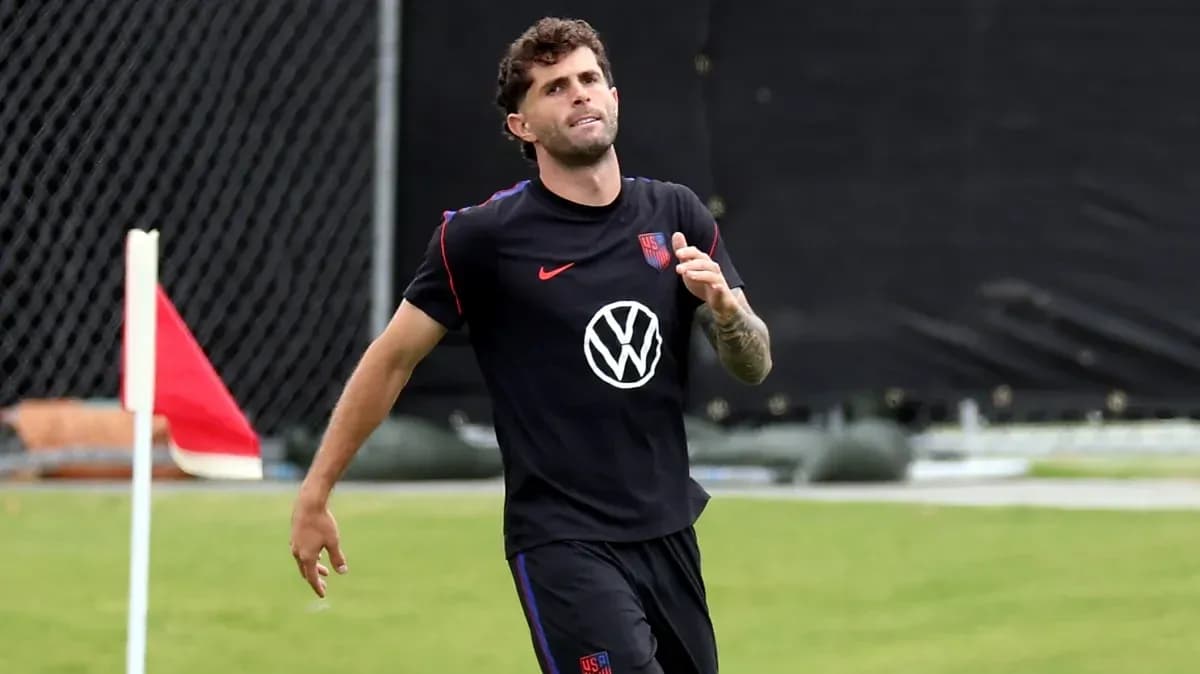
Christian Pulisic, their talisman and attacking reference point, is fighting to prove his fitness after a calf injury. He picked up the knock in the days before the Paraguay game, still started, impressed in a bright first half of that 4-1 win — and then did not reappear after the break due to discomfort.
Now he faces a race against time to feature against Australia. For Pochettino, the calculation is delicate: push a half-fit star and risk losing him for the rest of the tournament, or trust the depth that shone in their opener and hold him back?
The answer will shape how the USA attack a match that could define Group D.
Seattle under the lights
Day nine at the 2026 World Cup brings a slightly later start, but the schedule more than justifies the wait.
Co-hosts USA against Australia in Seattle is the first match of the night and, given both sides opened with victories, it already feels like a shootout for control of Group D. Kick-off is 8pm local time (12pm PDT), and by the time the lights go down at the stadium, we should know which of these two emerging stories has the stronger spine.
Around it, the tournament keeps pulsing. England, Scotland, Mexico, Canada, the row over 2030, the injuries, the breakthroughs — all of it feeding into a World Cup that is only just settling into its stride.
For a 13-year-old in a Boston hotel lobby, though, the picture is simple. Angus Gunn, a clean sheet against Morocco, and the hope that this is the summer Scotland finally give him more than just a photo to remember.