Rayan Cherki's Frustration Amidst France's Victory
The party was in full swing for France after a commanding 3-0 win over Graham Potter’s Sweden. Players embraced, staff exchanged smiles, the travelling fans roared their approval.
In the middle of it all, Rayan Cherki stood alone.
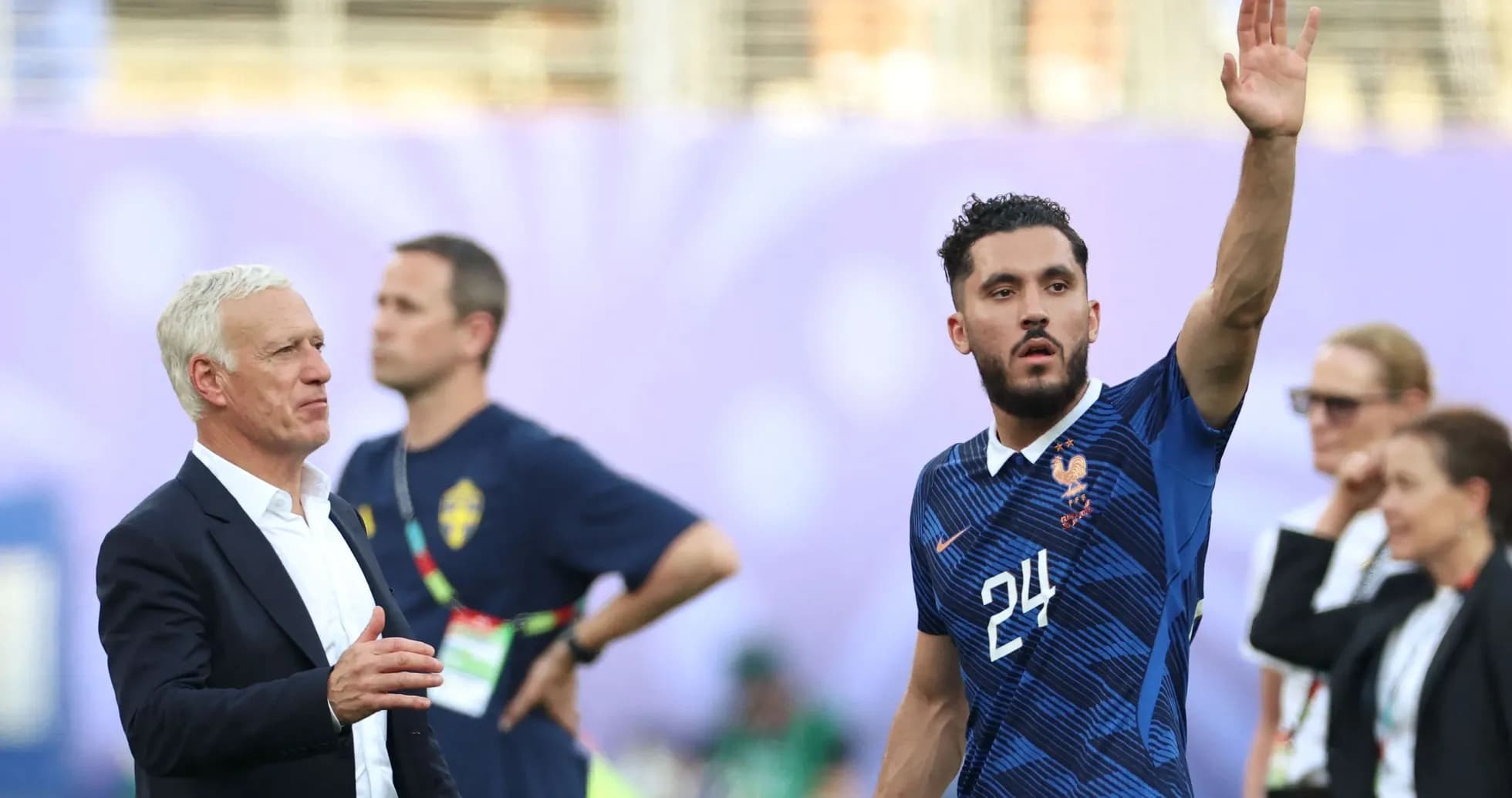
The midfielder, who has been fighting for scraps of playing time all tournament, lingered in the centre circle, applauding the supporters on his own. When Didier Deschamps walked over to acknowledge him, the scene turned awkward in an instant.
Deschamps reached out a hand. Cherki appeared to brush it away. As the France coach tried again to make contact, the former Lyon prodigy bent down to tie his boot, shifting his body away from the 57-year-old and avoiding the interaction altogether. The cameras caught it. Social media did the rest.
A talent on the fringes
Cherki’s frustration has been simmering for days. In North America, he has yet to start a single match. Deschamps has used him only in cameos: four appearances off the bench, a combined 51 minutes, and precious little time to influence games.
Against Sweden, with France already cruising, he was sent on with Crystal Palace forward Jean-Philippe Mateta for the final five minutes. It was a gesture that looked more like token involvement than trust.
For a player of Cherki’s ambition and profile, that cuts deep. This is a Manchester City star used to being at the heart of the action, not a late footnote.
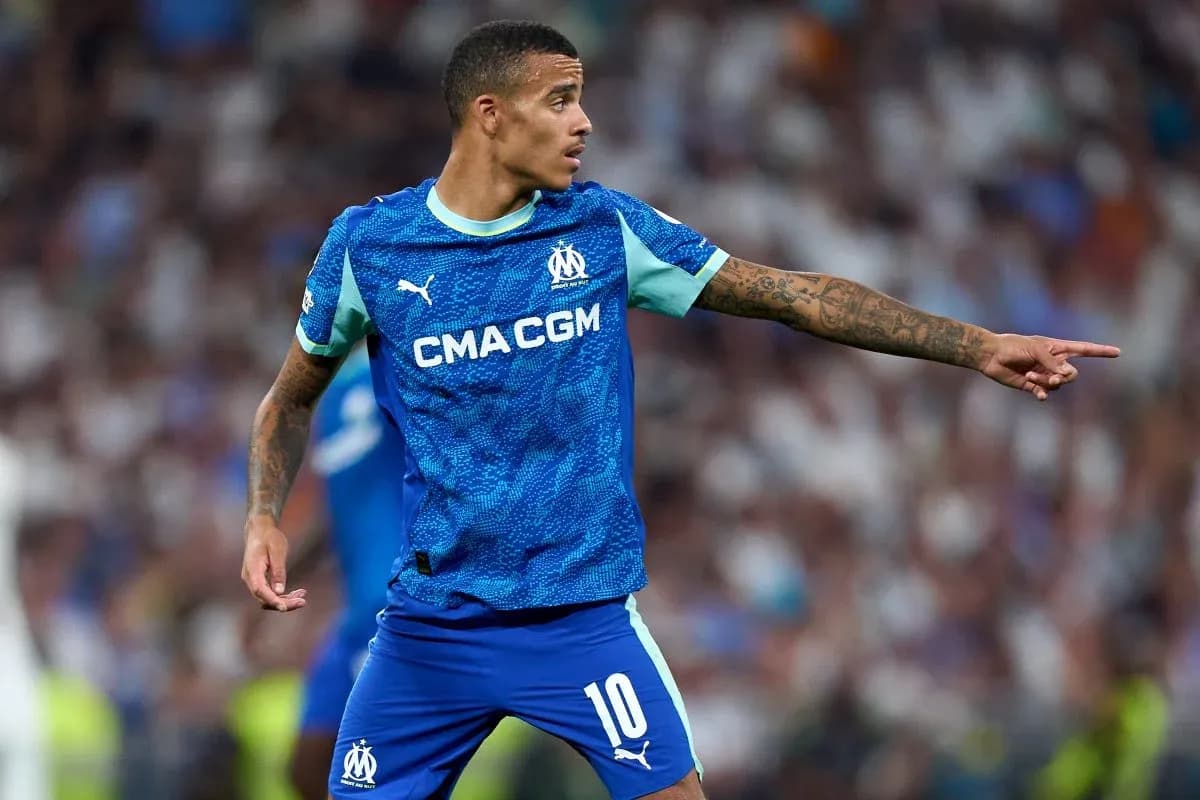
The problem for him is the sheer depth in front of him. Deschamps has an embarrassment of attacking riches and has not been shy about leaning on them. Michael Olise has taken ownership of the No 10 role and is thriving there, knitting attacks together and justifying the faith of his manager. Bradley Barcola brings direct running and incision. Desire Doue offers versatility and flair.
Someone has to miss out. Right now, Cherki is that someone.
Deschamps walks the tightrope
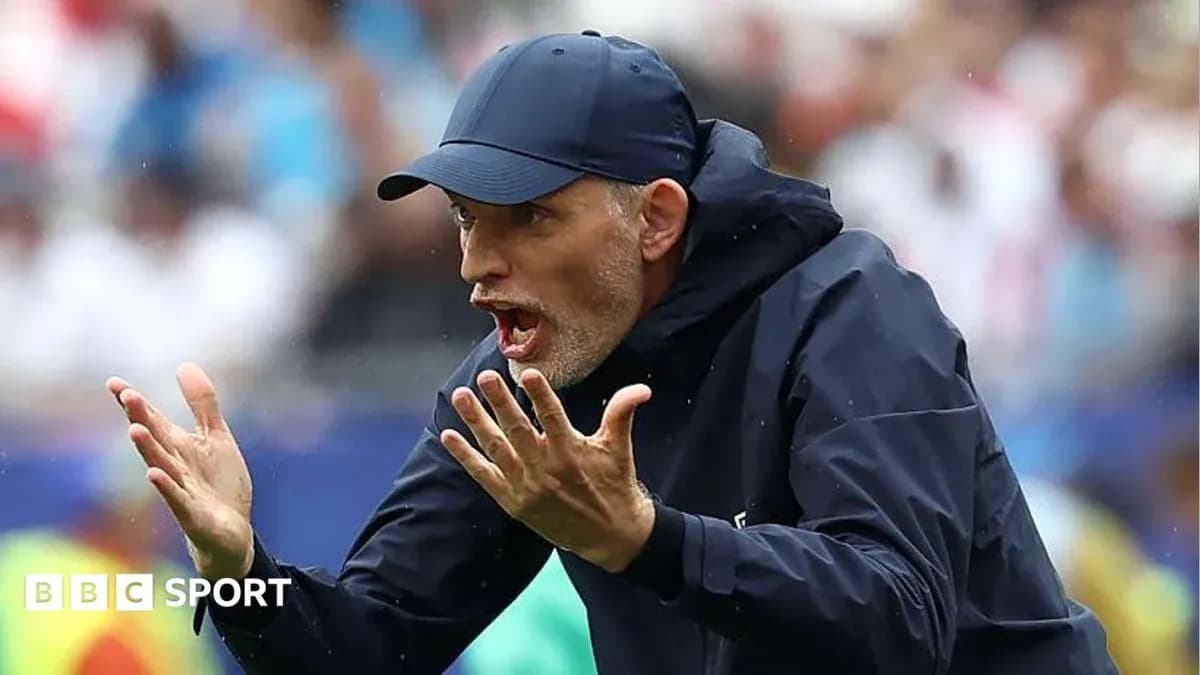
While the clip of the post-match snub raced around timelines, Deschamps faced the media and chose a different angle. He talked not about the incident, but about the collective.
“There’s a good connection,” he said of his frontline, highlighting the way his forwards have bought into the defensive work. “When we need to work hard with the ball, everyone is involved, including the forwards. That’s a very good thing. Obviously, it’s something that pleases me, and I’m proud of it. We need to keep it up.”
His message was clear: the group comes first, the stars run for each other, and the attitude so far has underpinned France’s status as tournament favourites.
Yet he did not pretend the job is simple. Managing a squad this loaded is as much about psychology as tactics.
“The team spirit doesn’t win matches, but it can lose them,” Deschamps warned. Players on the fringes, he admitted, will feel it. “Players might be disappointed because they’re not playing enough or at all; there might be frustrations, but the collective strength is paramount.”
That line cuts to the heart of the Cherki situation. Talent is not the issue. Opportunity is. Keeping a player of his quality content while he watches others shine is one of the hardest tasks a coach can face in a short, high-stakes tournament.
A delicate subplot before Paraguay
France move on to a round of 16 tie against Paraguay in Philadelphia with momentum, goals and clean sheets on their side. On the surface, the machine is humming.
Beneath that, Deschamps now has a very modern problem: a viral clip, a disgruntled star, and a reminder that one flash of visible frustration can puncture the image of perfect harmony.
He has handled egos and expectations for more than a decade in this job. The next few days will show whether he can turn Cherki’s anger into fuel for the run-in, or whether this moment lingers in the background of a campaign aiming for perfection.