Haaland's Late Strike Breaks Côte d'Ivoire's Hopes
Côte d'Ivoire walked off with nothing. They left, though, having gone toe-to-toe with one of the most ruthless finishers in world football and pushed Norway to the edge.
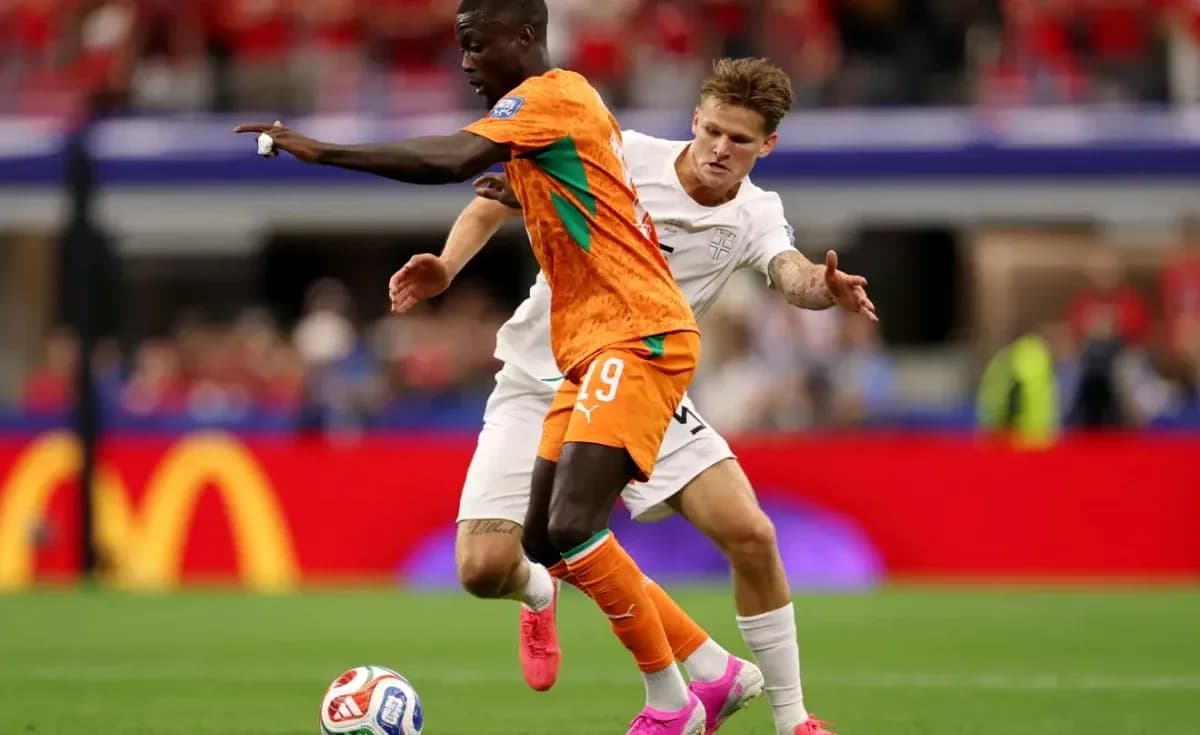
Erling Haaland needed only one real sight of goal in the second half. He buried it in the 86th minute, a cold, clinical reminder of the difference at this level, to seal a 2-1 win and knock the Elephants out of the global showpiece.
Cagey start, brutal punishment
The opening exchanges belonged to caution. Faced with the craft of Martin Ødegaard between the lines and the looming threat of Haaland, Côte d'Ivoire kept their shape, probed carefully, and tried to feel their way into the game.
Yan Diomandé was the first to really test Norway’s back line, driving at defenders and asking questions. Emmanuel Agbadou soon followed with a threat of his own, hinting that the Elephants had more than enough to trouble the Scandinavians.
The best chance of the half, though, fell to Nicolas Pépé. On 28 minutes, the winger found space in the box and should have levelled the early exchanges on the scoreboard. Instead, he dragged his effort off target from close range. A glaring miss, and one that would sting almost immediately.
Norway punished the lapse. Six minutes before the interval, Antonio Nusa pounced on a moment of hesitation, cut loose, and lashed a superb strike beyond Yahia Fofana. One mistake, one flash of quality, and Côte d'Ivoire were chasing the game.
Diallo changes everything
The match turned just after the hour. Elye Wahi and Amad Diallo stepped off the bench and, almost instantly, the mood changed.
Côte d'Ivoire suddenly played higher, sharper, with a new edge. Norway, who had looked comfortable, were driven back towards their own penalty area as orange shirts swarmed forward. The Elephants began to dictate, not just compete.
Ørjan Nyland stood between them and parity. The Norwegian goalkeeper denied Pépé, then Franck Kessié, as wave after wave of Ivorian pressure crashed against his goal.
The resistance finally cracked in the 74th minute. Pépé slipped Diallo through and the substitute did the rest with the calm of a veteran. One touch, then a measured left-foot finish low into the corner. No fuss, no panic. Just precision. Côte d'Ivoire were level, and the momentum roared their way.
Norway looked rattled. The Elephants sensed it and kept coming, Diallo at the heart of everything, knitting attacks together and driving his side on.
One chance, one Haaland
For long stretches of the second half, Haaland had been a bystander, starved of service and forced to feed on scraps. That never lasts forever.
With four minutes of normal time remaining, a brief lapse in the Ivorian back line was all he needed. Space opened, the ball broke his way, and the outcome felt inevitable. Haaland struck, ruthless and unflinching, restoring Norway’s lead with the kind of finish that defines careers and decides tournaments.
It was a gut punch for a Côte d'Ivoire side that had done almost everything right since the break.
Agony at the death
They refused to fold. The final minutes were played almost entirely in Norway’s half as the Elephants threw bodies forward in search of another equaliser.
Diallo, again, almost dragged them back. He unleashed a powerful effort that Nyland somehow clawed away, an outstanding save at a moment when the goalkeeper’s composure under siege made all the difference.
There was still one last twist in stoppage time. A cross, a leap, and Evann Guessand met it with the kind of header that usually explodes into the net. This one drifted agonisingly wide, inches from rewriting the story.
The whistle followed soon after. Norway celebrated a place in the next phase; Côte d'Ivoire were left with the hollow echo of what might have been.
They leave the tournament with no reward on paper, but with a performance that hinted at a future built around players like Diallo, fearless and inventive on the biggest stage. The question now is whether this brave exit becomes a ceiling—or the starting point for something far more dangerous.