Norway's Dynamic World Cup Squad: More Than Just Haaland
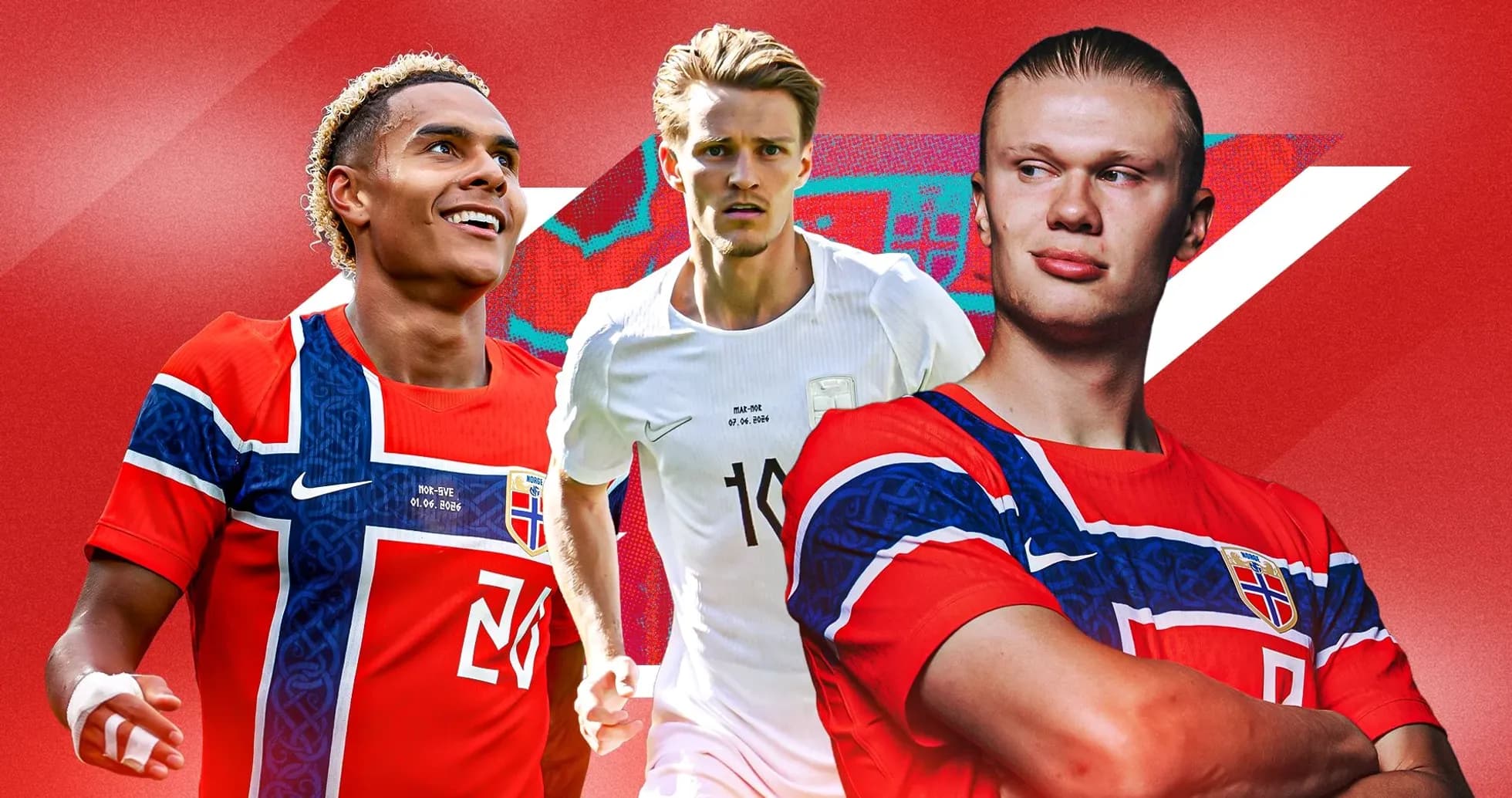
Erling Haaland will command the headlines, as he always does. But if you look a little wider – literally – you see why Norway arrive at this World Cup believing they are finally more than just the big man in the middle.
Wing play with a twist
The men tasked with feeding Haaland from the flanks give Stale Solbakken a rare luxury: depth and variety out wide, even if his use of them bends convention.
On the left, Antonio Nusa looks ready to explode on the global stage. The RB Leipzig livewire, still only 21, glides past defenders rather than simply beats them, slipping out of tackles and into space with a kind of casual menace. His qualifying numbers back up the eye test: six goal contributions in six games, including a goal and assist in a 3-0 dismantling of Italy and another decisive display in the 4-1 hammering in the return fixture. When Norway needed a winger to turn games, Nusa did it.
Waiting behind him is Andreas Schjelderup, another left-sided talent who has timed his rise perfectly. The 22-year-old arrives off a storming second half of the season under Jose Mourinho at Benfica, where he racked up 10 combined goals and assists in just 14 league matches and hit a brace against Real Madrid in the Champions League. He is not yet a guaranteed starter, but inside the Norway camp there is little doubt about his trajectory. This is a player widely tipped to become a star; for now, he is a devastating option off the bench.
The right flank looks different. Taller. Meaner. More unconventional.
Alexander Sorloth, the 6'5" Atletico Madrid striker, often starts there on the teamsheet. In reality, he spends much of Norway’s attacking phases drifting inside to stand shoulder-to-shoulder with Haaland. The numbers from qualifying show why Solbakken keeps finding a place for him: eight goal contributions in eight games. When Norway build attacks, Sorloth is less a winger and more a second centre-forward, arriving late into the box, bullying centre-backs and offering a second huge target.
If Solbakken wants a more traditional wide option, Fulham’s Oscar Bobb can step in on that side, even if his start at Craven Cottage has been slower than he might have hoped. There is also Jens Petter Hauge, back in the squad on the strength of his form for Bodo/Glimt. He played no part in qualifying, but his performances in their remarkable Champions League wins over Manchester City and Inter forced his way into the conversation – and then into the plane.
Odegaard’s orchestra
If the flanks are loaded, the heart of this Norway side is in midfield, where Solbakken can finally lean on players hardened by the Premier League and Champions League.
At the centre of it all stands Martin Odegaard. Arsenal’s captain, still only 27, divides opinion at club level for his occasional quiet spells, but he rarely drifts through games in a Norway shirt. Even in an injury-hit qualifying campaign that saw him miss three of eight matches, he still delivered seven assists – more than any other player in Europe – including a hat-trick of assists in one game against Israel. When Norway need a pass to slice open a defence or a clever combination around the box, it almost always starts at his left boot.
Behind and around him, the structure is solid. Fulham’s Sander Berge offers the protection, a defensive midfielder with Premier League mileage and the discipline to let others roam. Fredrik Aursnes, another Benfica mainstay, brings the legs and the balance as a No.8, knitting play together and arriving in the right spaces at the right time.
Aursnes’ presence here is remarkable in itself. Two years ago, at 30, he stepped away from international football, saying he wanted “more time and freedom to prioritise other things in my life besides football.” In February, he changed his mind. Now, despite playing no part in qualifying, he looks set to start at the World Cup. Norway do not often get players of his experience and versatility back once they walk away; this time, they have.
Solbakken can also turn to Patrick Berg, the classy Bodo/Glimt captain, and the Italy-based duo Kristian Thorstvedt and Morten Thorsby. None of them are passengers. All of them can step in without the system collapsing.
Still, everything flows through Odegaard. His job is clear: link with the wingers, release the overlapping full-backs and, above all, find Haaland early and often. If Norway are to live up to their own expectations in North America, their playmaker has to conduct every attack with the authority he has shown through qualifying.
Life after Haaland? Norway are prepared
Haaland will start every game if fitness allows. He will likely finish every one too. Solbakken has built a team that leans into his ruthlessness.
But if the unthinkable happens, Norway are not empty behind him.
Sorloth, already mentioned as the right-sided battering ram, would simply step into the central role. His record for the national team is respectable, and he arrives at the tournament off a 20-goal season with Atletico Madrid – a haul made even more impressive by the fact he was not always a guaranteed starter in Spain.
Solbakken’s own description of him is telling. “Alexander brings a lot of physicality, and he's a loyal player that can play in different positions up front. Sometimes he plays together with Erling, sometimes he plays a little to the right. He's a goal threat, but he's also an assist threat. But the best thing is that he works so hard for the team, sometimes in a position that he maybe doesn't prefer.” That work rate is part of why this Norway side feels more robust than previous generations.
Then there is Jorgen Strand Larsen. The Crystal Palace striker has impressed quickly in the Premier League since arriving in 2024 and looks set to see plenty of action regardless of Haaland’s status, with Sorloth expected to operate from the flank. Strand Larsen warmed up for the World Cup with a brace in a friendly against Sweden and also scored against Italy in qualifying. He is not a token understudy; he is a genuine alternative.
The secret weapon: a right-back
Norway’s wide play is not just about wingers and repurposed strikers. The real twist comes from deeper.
Julian Ryerson, the Borussia Dortmund right-back, is arguably their most dangerous crosser of the ball. The system bends around him. When Norway have possession, Sorloth abandons the touchline and charges into the box, effectively becoming a second centre-forward. That movement clears the lane for Ryerson to surge forward on the overlap.
Once he is there, his delivery is lethal. Ryerson finished the 2025-26 Bundesliga season with 18 assists – a staggering total for a full-back. Corners, free-kicks, whipped crosses from open play, he hits them all with purpose. With Haaland and the inverted Sorloth attacking those balls, Norway suddenly look like a throwback to the days when crosses and headers could decide tournaments, only with modern pace and movement layered on top.
Opponents who focus solely on Haaland’s movement in the box will miss the real danger: where the ball is coming from, and how often.
A nation finally back on the big stage
Norway have waited 28 years to return to the World Cup. The drought has scarred a football nation that watched others dance on the biggest stage while they stayed home.
Solbakken knows what that absence has meant. “I think it means a lot for the whole nation, especially the common supporter,” he told FIFA. “I think it's been hard for everyone to sit home at every World Cup back to when I played in 1998. Fifty-thousand fans came to meet us [after qualification was confirmed] on a Monday in minus four [degrees], so that says it all. They have waited for this moment for so long, and now it's finally here.”
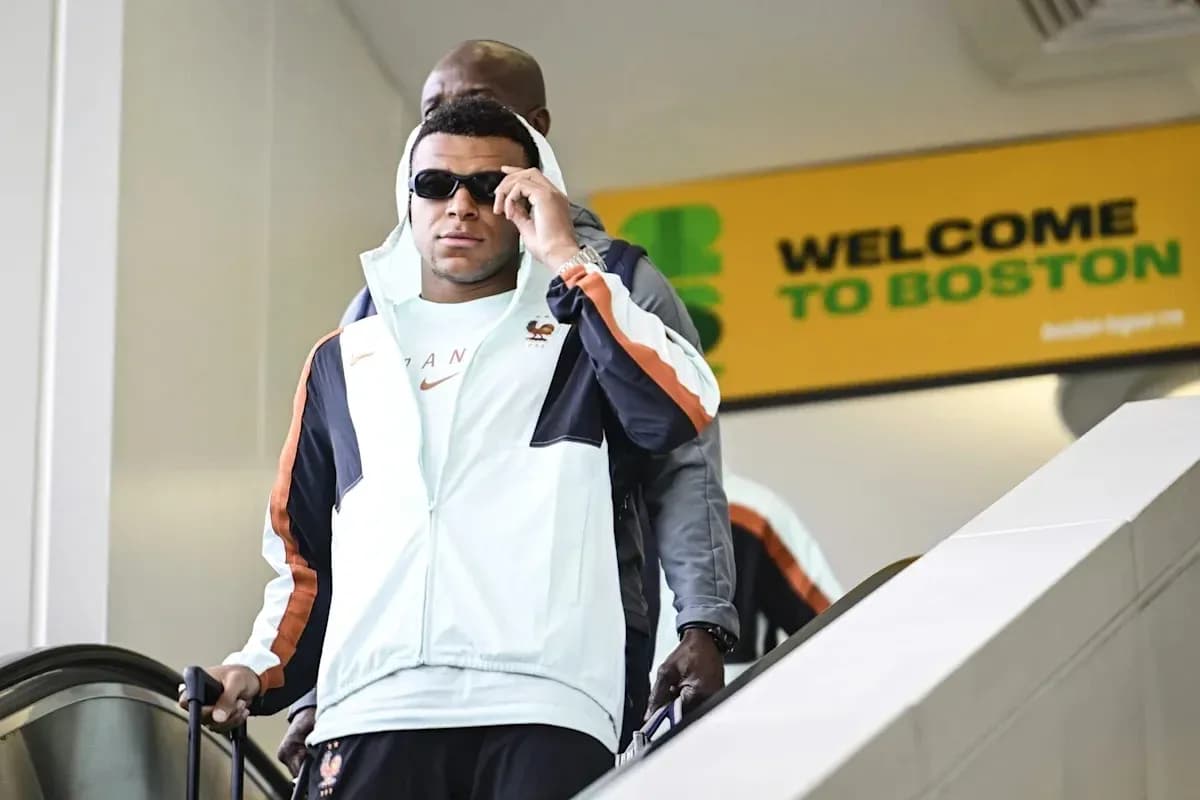
The reality, though, is brutal. Norway walk back into the World Cup straight into the so-called Group of Death with France, Senegal and Iraq. There are no soft landings, no gentle introductions.
Solbakken is not selling dreams he does not believe in. “I don't think we are dark horses to get all the way. I think we are dark horses in terms of, on our day, we can maybe beat a stronger opponent. But to say that we are dark horses for the whole tournament is too far. We are in a very hard group. I think it will be very tight and hopefully we have the organisation and the match-winners to get through.”
His vision for this team is clear: a Norway side that no longer sits deep and waits, but one that takes risks and attacks with purpose. “For Norway, this is the World Cup to express themselves – to show the world that we play, maybe, a different kind of football than what we have done before, and that we are an offensive team with good individuals that work hard for each other. My dream scenario? I won't talk about it, because my dreams are for myself. But hopefully we can get the best out of the team and on our day, then we can beat anyone.”
So the picture is set: Haaland at the tip, Odegaard pulling strings, Nusa and Sorloth stretching and storming from the flanks, Ryerson tearing down the right with 18 assists in his boots, and a nation finally back where it believes it belongs.
Now comes the only question that matters: in a group this unforgiving, will being “more than the sum of their parts” be enough?