Marcelo Bielsa's Unconventional Approach to Football
Marcelo Bielsa has never been interested in playing the part.
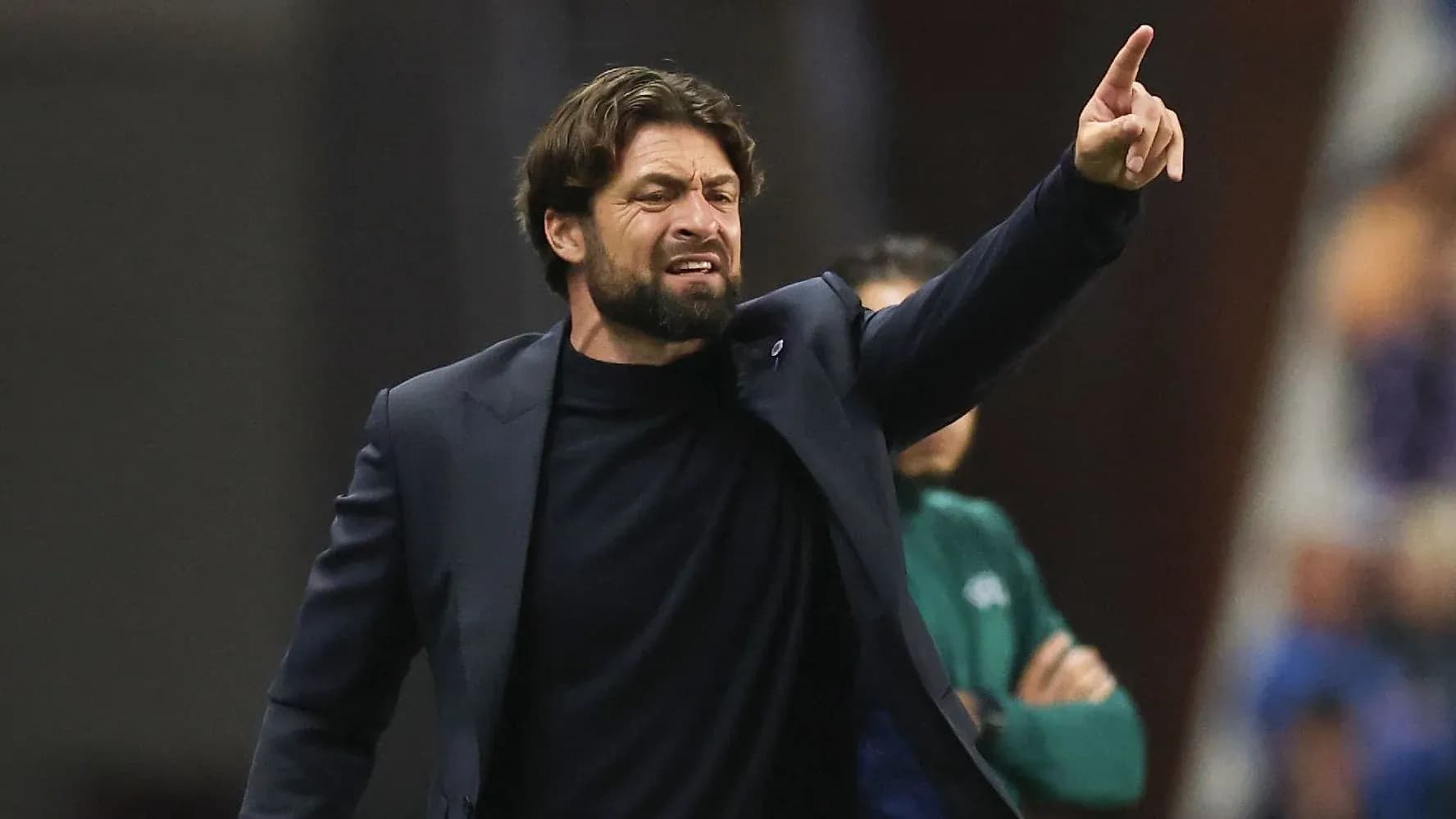
Uruguay’s head coach, long filed under football’s great eccentrics, has built a career on doing things his own way: the forensic preparation, the monastic lifestyle, the famous habit of perching on an ice box on the touchline while the rest of the technical area paces and shouts. The nickname “El Loco” has followed him from club to club, country to country, but the truth is simpler – Bielsa just refuses to perform for anyone.
Not for opponents. Not for fans. And certainly not for a camera.
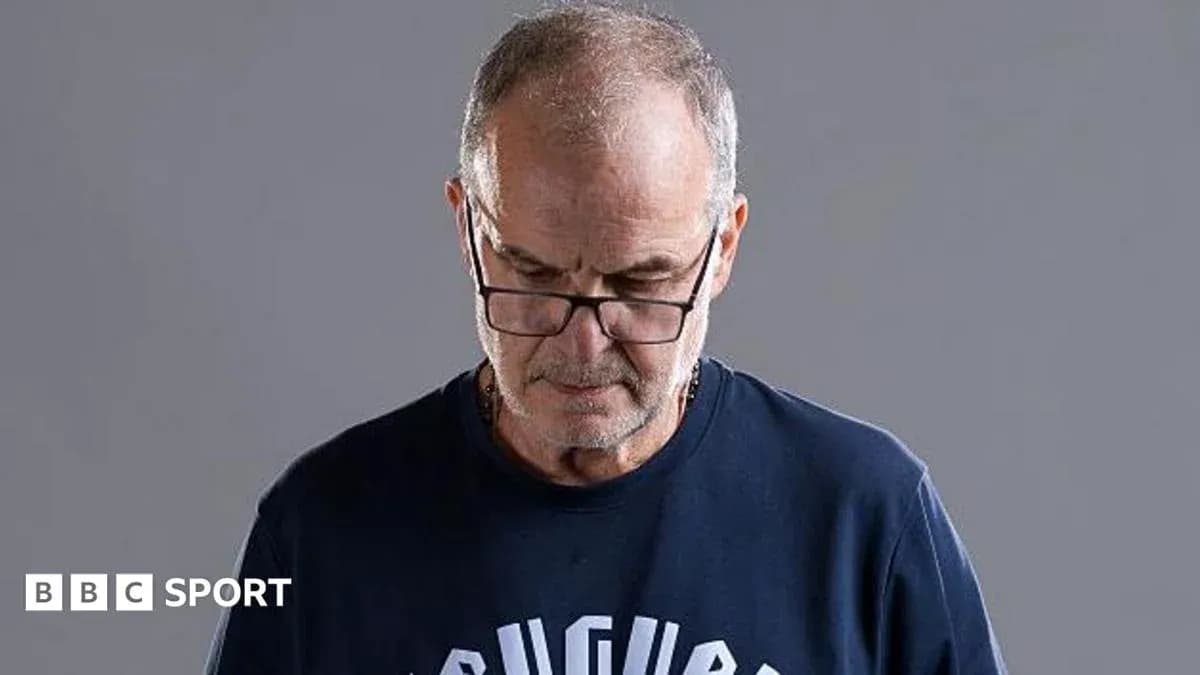
So when Fifa’s official World Cup portraits dropped, the usual parade of smiles, folded arms and carefully curated intensity was suddenly interrupted by one jarring image. While players and coaches around the tournament leaned into the spotlight, Bielsa stared downwards, away from the lens, expression locked somewhere between deep thought and total indifference. It looked less like a glossy tournament portrait and more like a man caught mid-analysis, dragged away from a laptop and told to sit still for five seconds.
The picture went viral. Of course it did. In an era when every frame is branded and polished, Bielsa’s refusal to engage with the ritual felt almost like a statement. Was it a protest? A snub to Fifa? A message about priorities?
He was having none of that.
After Uruguay’s opening 1-1 draw with Saudi Arabia in Miami on Monday, the questions came. The game itself – a cagey start to their World Cup campaign – briefly shared the stage with the image that had already circled the globe. Reporters wanted an explanation. Bielsa bristled.
“I don't have to give any explanation, the picture was taken the way it was taken,” he said, cutting off the narrative before it could grow legs. Then came the line that summed him up as neatly as any tactical diagram: “I'm not a model.”
That was it. No grand theory. No hidden meaning. No carefully crafted myth.
The man who spends hours dissecting opposition movements had no interest in dissecting his own photograph. For Bielsa, the job remains what it has always been: the training ground, the match footage, the next opponent. Not the pose, not the brand, not the performance.
In a World Cup increasingly shaped by image, Marcelo Bielsa has once again chosen substance over show – even in a single, stubborn frame.