Mohebi’s Gun Celebration Ignites Political Controversy After Iran's Draw
In a World Cup already humming with political tension around Iran, a 64th‑minute equaliser in Los Angeles has become a flashpoint far beyond the scoreline.
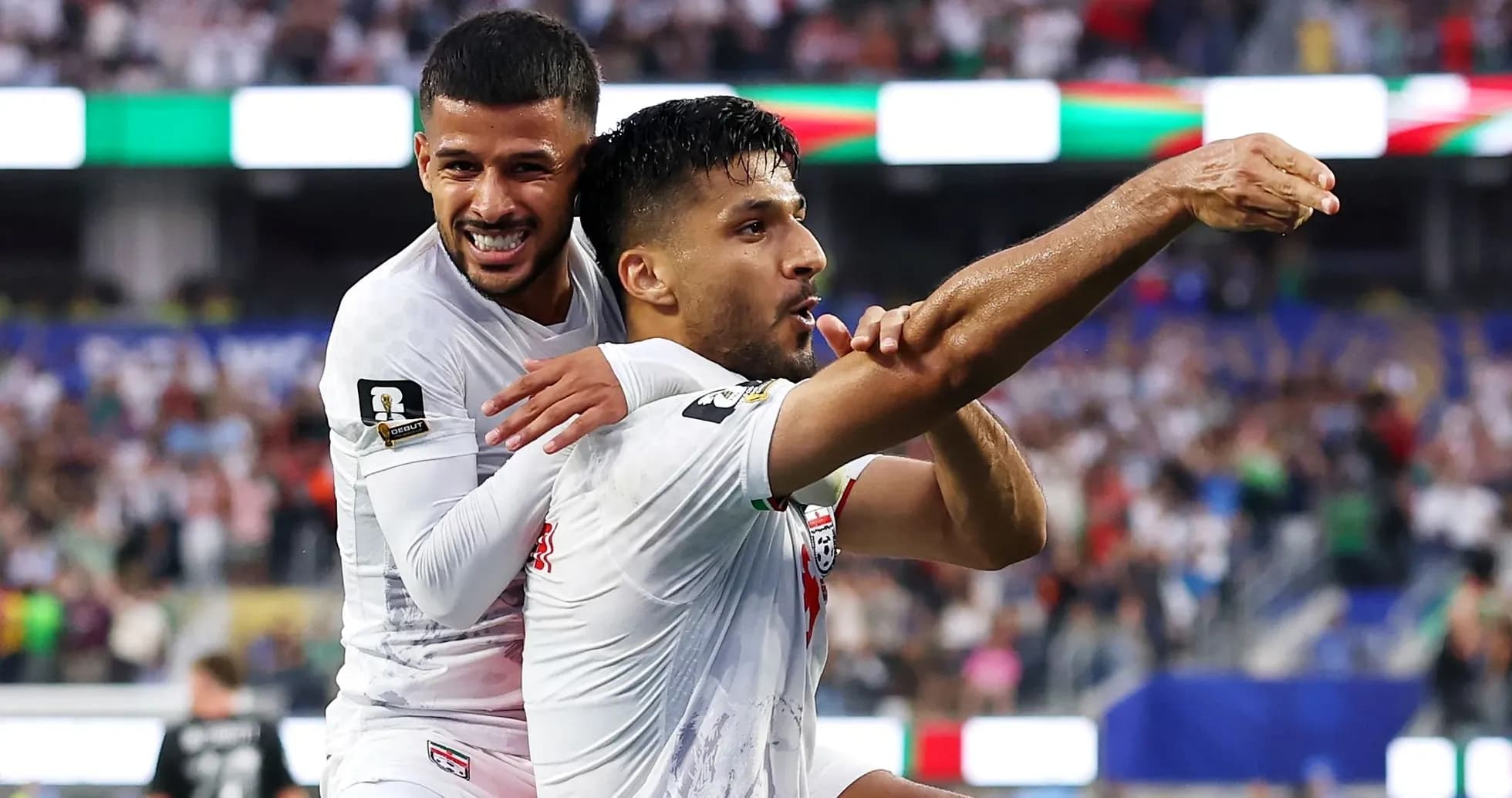
Mohammad Mohebi dragged Iran level at 2-2 against New Zealand, a vital goal in their opening Group G match. The finish should have been the story. It wasn’t.
As the ball hit the net, the 27-year-old midfielder sprinted away, then slowed, raised his left arm and pointed two fingers towards it. He followed with two fingers on his right hand, slicing them through the air. To many watching, inside the stadium and around the world, it looked unmistakably like a “gun” gesture.
Within minutes, clips of the celebration flooded social media. The goal had secured a point; the reaction to what came after it threatened to drag Iran’s World Cup campaign into a disciplinary debate.
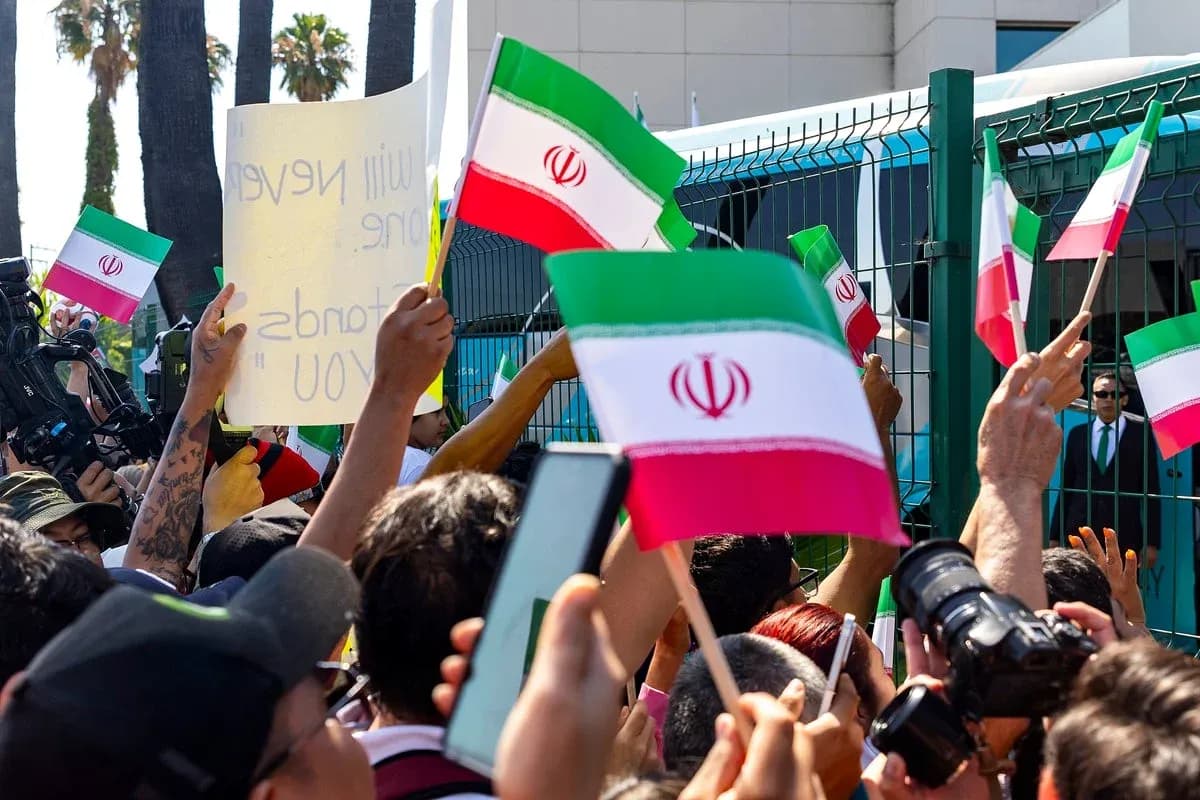
Calls for FIFA to act grew quickly. Supporters, pundits and commentators questioned whether the gesture breached the governing body’s rules on political or provocative symbolism, a particularly sensitive topic given the backdrop of unrest and ongoing disputes involving Iran.
Mohebi moved to dampen the fire as soon as he faced reporters.
“I wanted to say thank you to all Iranians who live in Los Angeles, they make a great atmosphere,” he said. “The celebration came to mind, and I do this [gestures] for all of the fans, just a celebration, you know.”
He framed it as nothing more than an improvised tribute to the diaspora packing the stands, insisting there was no deeper message, no political edge. The explanation, though, arrived after the images had already taken on a life of their own.
If the situation needed more fuel, it arrived from inside the same dressing room.
Rezaeian, who had scored Iran’s other goal and celebrated by pulling his shirt over his face as he ran towards the supporters, was asked about his own actions. His response nudged the conversation into even more delicate territory.
“It’s something political (his goal celebration), I don’t want to talk about that,” he said.
With that, one of Iran’s senior figures acknowledged what many suspected: at least one celebration on the night carried a political message. He then tried to slam the door shut.
“We are here to answer football questions. If there is a problem between us (the Iranian people), it is between us,” the defender added, attempting to steer the discussion back to the pitch.
The contrast was stark. Mohebi insisting his gesture was “just a celebration”. Rezaeian openly calling his own act “something political”, then refusing to elaborate. For FIFA’s disciplinary and ethics units, already under scrutiny whenever politics and football collide, the footage and the quotes now sit side by side.
FIFA has been approached for comment regarding Mohebi’s gesture, and the pressure on the organisation to clarify its stance is building. The governing body has long insisted that political statements have no place on the field of play, yet every tournament seems to test that line in new ways. This World Cup is proving no different.
Inside Iran’s camp, the priority will be to keep the focus on football and avoid a distraction that could overshadow their group campaign. On the pitch, there is no time to linger on New Zealand. Belgium await on June 21 in Los Angeles, a step up in quality and a match that could define Iran’s route through Group G.
Whether the build-up to that game is dominated by tactics and team selection, or by disciplinary headlines and political interpretations of a hand gesture, now rests partly in FIFA’s hands.