Liverpool's Season: Champions League Qualification Amidst Struggles
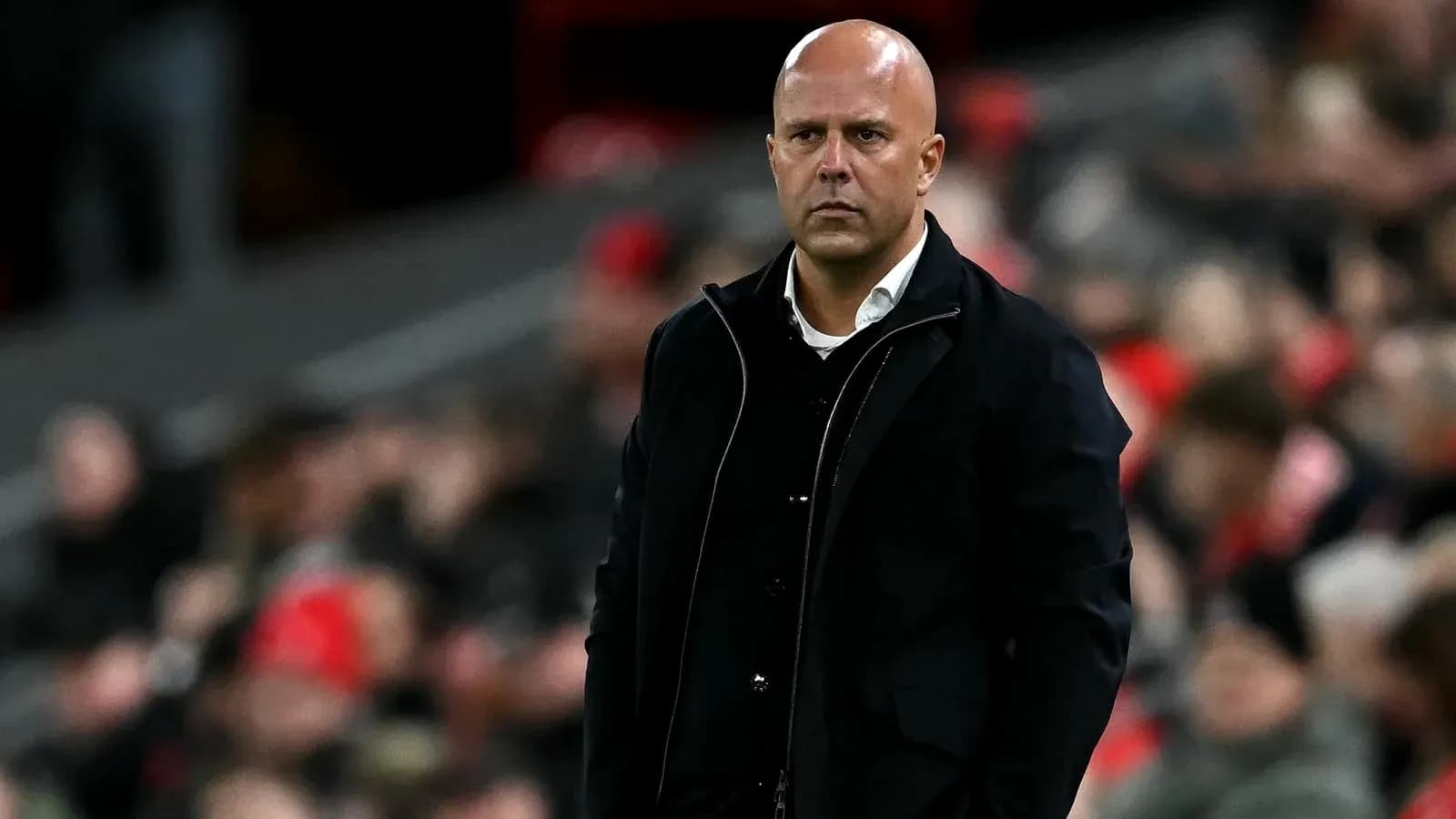
Arne Slot walked into the press room with Champions League qualification secured but a title defence in ruins, and he did not bother pretending otherwise.
Liverpool’s fifth-place finish, confirmed by a flat 1-1 draw against Brentford at Anfield, felt a world away from the swagger of last season. The afternoon was supposed to be about farewells – a last home outing for Mohamed Salah and Andy Robertson – but even that lacked the sense of occasion the club has grown used to. The mood matched the campaign: subdued, fractured, uneasy.
A manager who owns his mistakes
Slot did not hide behind the league table.
"Not what I would have loved us to achieve this season before we started," he admitted, before quickly pointing to the one salvaged prize: "I'm happy that we've qualified for the Champions League."
He went further. "We, I, haven't been perfect," he said. "As a manager you can never be perfect, a player can never be perfect."
It was a rare, unvarnished confession at the end of a season in which many of his calls have been pored over and pulled apart – none more so than his handling of Salah.
The Egyptian’s demotion to the bench during that grim spell of nine defeats in 12 matches became the lightning rod for wider discontent. Salah’s public criticism of Slot, followed by what amounted to a one-match suspension, tore at the relationship between the club’s biggest star and its head coach. Within months, Salah was negotiating his exit, a year before his lucrative contract was due to expire.
History will not treat that saga kindly. Nor will it gloss over Slot’s stubborn loyalty to several under-performing players, or his reluctance to lean on Rio Ngumoha until injuries and form left him with almost no other choice. The teenager’s late emergence only sharpened the question: why did it take so long?
Slot insisted every call came from preparation, not impulse.
"All the decisions I've made throughout the whole season has been only with one idea, and that's being very well prepared," he said. "Not every decision can be the right one so it would be stupid for me to sit here and say all the decisions I've made were the right ones.
"But before I made them, it felt every time they were the right ones to make."
A season scarred by loss and injury
Then came the caveat. The one-word verdict on Liverpool’s campaign.
"If you asked me one word to describe this season, I would describe that with the word 'injury'," Slot said.
The list is brutal. British record signing Alexander Isak missed 28 matches and started only eight league games. Alisson Becker, the bedrock of so many Liverpool seasons, sat out 20. First-choice right-back Conor Bradley missed 32. Jeremie Frimpong was absent for 19, Wataru Endo for 18. Giovani Leoni, the 19-year-old centre-back earmarked as a long-term piece of the rebuild, saw his season end after just 81 minutes of his debut.
And all of that came after a trauma that cannot be measured in numbers. The death of Diogo Jota in a car crash on the eve of pre-season ripped through the dressing room. No tactical tweak, no rotation policy, could insulate the squad from that kind of shock.
Slot alluded to it without drama, but the shadow has hung over everything. Some decisions, he suggested, were barely decisions at all; the injury list and emotional strain made the path for him.
"A lot of times I didn't even have to make decisions or choices," he said. The options simply weren’t there.
Salah’s muted farewell, Brentford’s step forward
On the pitch, the finale told the story of the season in miniature.
All eyes were on Salah. One last Anfield outing, one last chance to leave a mark. He did, to a point. It was his sharp play that created the opening goal, slipping in Curtis Jones to finish and briefly lift the mood.
But Liverpool could not hold what they had. Six minutes after the restart, Kevin Schade rose to head Brentford level. The lead vanished, the energy drained, and Anfield watched a familiar script unfold: promise, then slippage.
For Brentford, the stakes were clear. Victory would have delivered a first-ever European campaign. They fell short of that, but a ninth-place finish still represents another stride forward for a club that refuses to blink in the Premier League glare.
"It shows we are a good football club," said head coach Keith Andrews. "It never should be taken for granted finishing in the top half… The fact we have been able to do that two years in a row is pretty special."
His side left with credit, if not the prize they wanted.
Liverpool left with questions.
What comes next?
Slot will point to the Champions League place as a line in the sand, a platform rather than a consolation. The injury crisis should ease. The rawness of Jota’s death will never fully disappear, but the first brutal year without him is over. A summer of decisions now looms.
Salah is going. Robertson is going. Others may follow. The manager has already admitted he did not always get it right when the pressure rose and the margins tightened.
Next season, with fewer excuses and a reshaped squad, the same honesty will not be enough. The decisions will have to be right.