Germany Dominates Curaçao in World Cup Opener
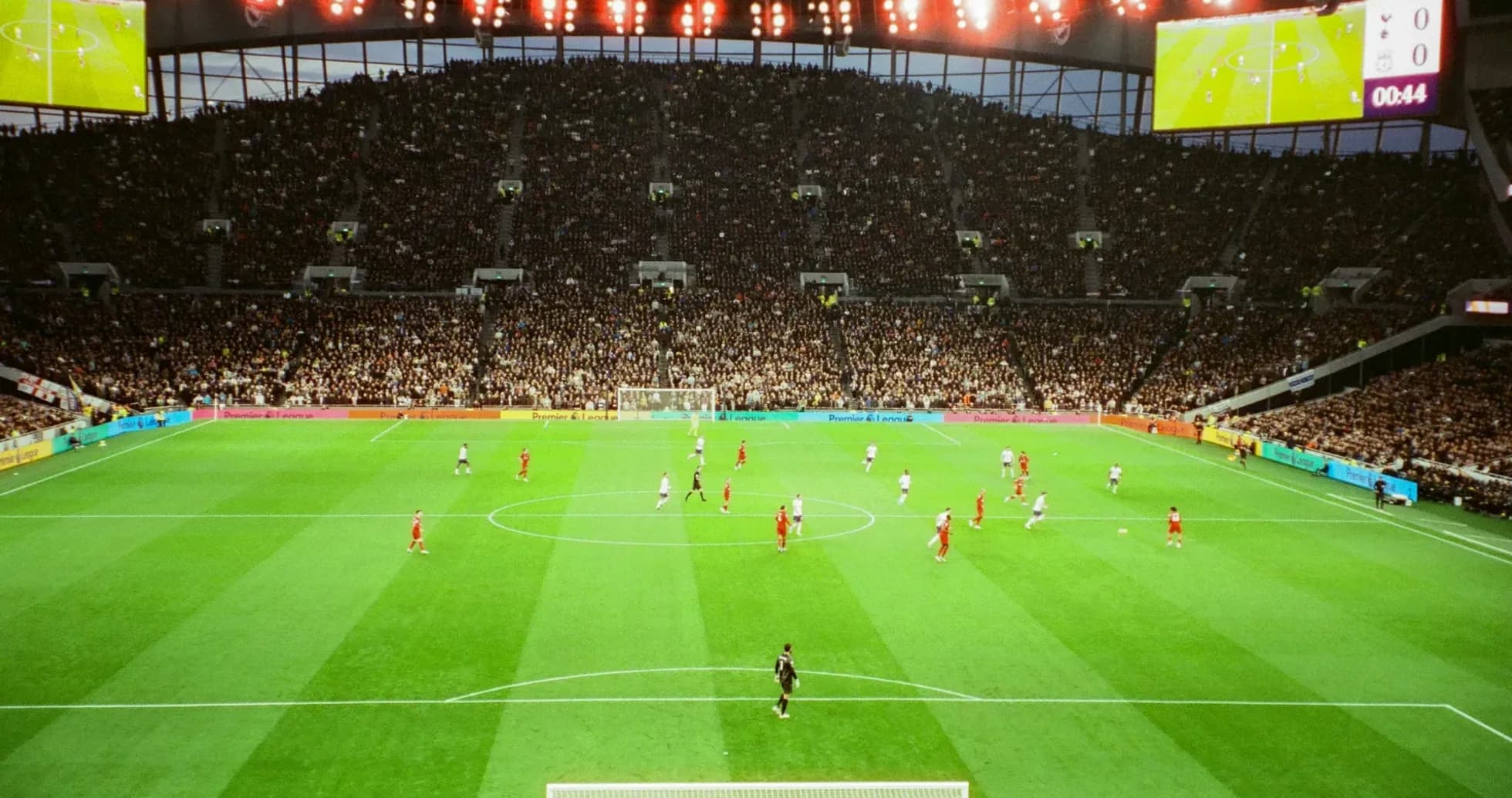
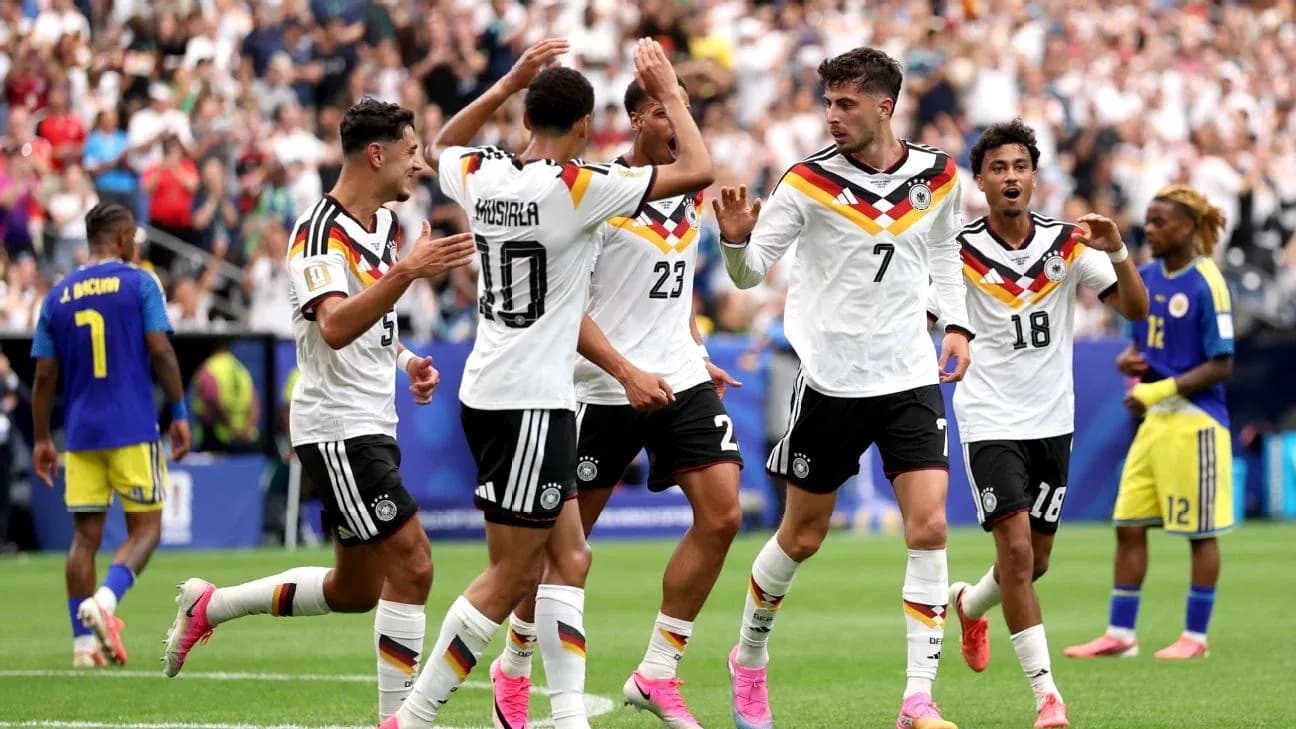
Under the closed roof of NRG Stadium in Houston, Germany’s World Cup campaign opened with a statement that bordered on the brutal. Julian Nagelsmann’s side dismantled Curaçao 7–1, a scoreline that echoed around Group E as much for its ruthlessness as for its inevitability once the patterns of the game were established.
Heading into this game, Germany’s World Cup identity was still theoretical: a Nagelsmann blueprint, a generation of gifted technicians, and the question of whether they could translate club fluency into international dominance. Ninety minutes later, they sit 1st in Group E with 3 points and a goal difference of +6, having scored 7 and conceded 1 overall. Curaçao, by contrast, are bottom in 4th, with 0 points and a goal difference of -6 after their own 1–7 experience on their travels.
The formations told their own story. Germany lined up in a 4‑2‑3‑1: Manuel Neuer behind a back four of Joshua Kimmich, Jonathan Tah, Nico Schlotterbeck and Nathaniel Brown; a double pivot of Felix Nmecha and Aleksandar Pavlović; and an electric band of three – Leroy Sané, Jamal Musiala, Florian Wirtz – working behind Kai Havertz. Curaçao responded with a 4‑3‑1‑2, hoping that a compact midfield of Leandro Bacuna, Juninho Bacuna and Liam Comenencia, with Tahith Chong as the advanced link, could clog the central lanes and spring Jürgen Locadia and Samuele Hansen in transition.
Tactical Voids
With no official absentees listed, both coaches approached this opener at full strength. The real gaps were structural, not personnel-based.
For Curaçao, the void appeared between their midfield three and their back four. The 4‑3‑1‑2 demands that the shuttlers protect the half-spaces; instead, as Germany’s rotations began, those channels became freeways. Wirtz drifted inside from the left, Musiala glided between the lines, and Havertz dropped off the front. Each movement pulled Riechedly Bazoer and Armando Obispo into dilemmas they consistently lost.
Germany, meanwhile, had one clear vulnerability: a high defensive line with both full-backs aggressively advanced. Brown and Kimmich pushed so far that the shape often resembled a 2‑3‑5 in possession. Against higher-calibre opposition, that will invite counters into the space behind, but Curaçao lacked the collective timing and passing precision to exploit it more than sporadically.
Disciplinary data offers another layer of control. Across the tournament snapshot so far, neither side has registered a yellow or red card by minute range, underlining how one-sided the contest became: Germany could dominate without resorting to tactical fouls; Curaçao were too stretched to even break the rhythm with persistent infringements.
Key Matchups
Hunter vs Shield
Havertz arrived in Houston as Germany’s leading scorer in the early World Cup charts, with 2 goals in 1 appearance, including a flawlessly converted penalty. His performance embodied the “false nine” Nagelsmann craves: 2 shots, both on target, 41 passes at 92% accuracy, and a constant ability to appear where Curaçao’s centre-backs least wanted him.
Set against Curaçao’s defensive record, the mismatch was stark. On their travels in this World Cup, Curaçao have conceded 7 goals with an average of 7.0 goals against per away game, the heaviest of which is this 1–7 loss. Bazoer and Obispo were repeatedly dragged into no-man’s land as Havertz dropped into pockets that Chong and the Bacuna brothers failed to screen. The “shield” fractured early; by half-time, with Germany already 3–1 up, the contest was essentially over.
Engine Room
If Havertz was the hunter, the engine room was powered by a trio: Kimmich, Musiala and, from the bench, Deniz Undav.
Kimmich, notionally a right-back in the 4‑2‑3‑1, played like an auxiliary playmaker. He completed 73 passes with 5 key passes and 2 assists, stepping into central zones to overload Curaçao’s midfield. His presence tilted the pitch: every German attack seemed to have an extra passing lane.
Musiala provided the vertical thrust. In 64 minutes, he scored once, completed 4 of 5 dribbles, and won 9 of 14 duels. Each time he received between the lines, Curaçao’s shape buckled, forcing Leandro Bacuna and Comenencia to collapse inward and leaving the flanks exposed.
Then came Undav. Introduced from the bench, he replaced one of Germany’s forwards and immediately altered the rhythm. In just 26 minutes, he scored 1, supplied 2 assists, and produced 3 key passes. His movement across the front line, combined with Brown’s underlaps from left-back, shredded what remained of Curaçao’s defensive cohesion.
On the other side, Tahith Chong was asked to be Curaçao’s creative outlet in the “10” role, linking midfield to attack. But with Germany’s double pivot and centre-backs stepping aggressively into duels, Chong was often receiving under pressure, back to goal, and without enough support runs from Locadia and Hansen.
Statistical Prognosis
Following this result, the numbers sketch two very different trajectories.
Germany’s attacking profile is ferocious: in total this campaign they average 7.0 goals for per game and 1.0 goal against, with no clean sheet yet but an offensive ceiling few can match. Their penalty record is perfect so far – 1 taken, 1 scored, 0 missed – and they have already demonstrated that the 4‑2‑3‑1 is not just a formation but a platform for relentless overloads.
Curaçao’s early metrics are harsh but honest. On their travels they average 1.0 goal for and 7.0 against, with no clean sheets and no penalties won or scored. Their biggest defeat is this 1–7, and it exposes a defensive block that cannot, as currently structured, cope with elite-level rotation and tempo.
In pure xG terms – even without the raw xG values – the shot volume, territory and chance quality Germany generated point to a margin of victory that reflects the underlying reality rather than flattering it. Curaçao’s isolated counters and sporadic box entries would likely have produced a modest xG, while Germany’s repeated incursions into the six-yard area, combined with a successful penalty, suggest a total comfortably aligned with a multi-goal win.
The tactical lesson is clear. Germany’s squad is built to overwhelm: full-backs like Kimmich and Brown acting as playmakers, creators such as Musiala and Wirtz between the lines, and finishers like Havertz and Undav converting at a ruthless clip. Curaçao, brave in their intent to play a 4‑3‑1‑2, discovered the cost of leaving too much space for that machinery to operate.
Following this result, Germany look every inch a Round of 32 side already playing knockout-level football. For Curaçao, the road ahead will demand pragmatism: tighter spacing, more protection for their centre-backs, and a more coherent plan to release their forwards before the game is lost in midfield.