Darwin Nunez: From Statement Signing to Free Agent
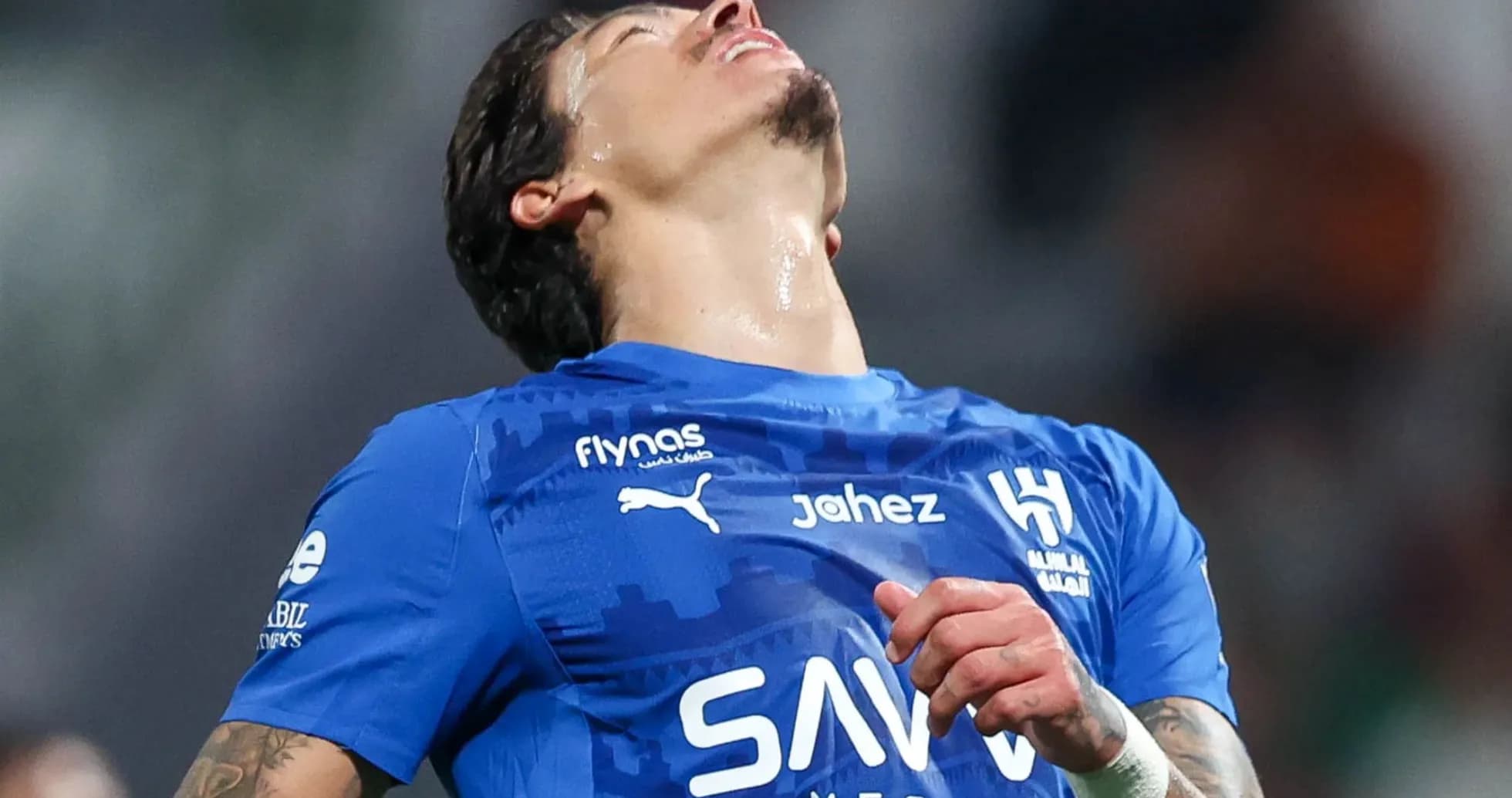
Darwin Nunez arrived in Saudi Arabia as a statement signing. He is leaving as a free agent, a cautionary tale about timing, squad rules and the brutal efficiency of elite recruitment.
Al Hilal paid €53 million to bring him from Liverpool last summer, a sizeable outlay for a player the Reds once valued at up to £85m when they prised him from Benfica four years ago. Now, less than a year on, he is walking away for nothing, his future open and his name already circling back towards the Premier League. Newcastle United and Chelsea are watching. Of course they are. A 26-year-old international forward available for free rarely goes unnoticed.
But this is not a simple case of a big-money flop being quietly ushered out of the back door. The decision to cut him loose came abruptly, and it came from the rulebook as much as the pitch.
Benzema arrives, Nunez disappears
The turning point had a name: Karim Benzema.
When the Frenchman completed his move to Al Hilal in the winter window, the club ran straight into the Saudi Pro League’s foreign-player regulations. Each squad can carry only 10 foreign players: eight over the age of 20 and two under-20s. Something had to give.
Nunez was that something. His registration for league matches was withdrawn to make room. One marquee forward in; another effectively frozen out.
On paper, Nunez’s numbers were not disastrous. Across 22 appearances he produced nine goals and five assists. Respectable, if not spectacular. The problem was what came next. Benzema landed in early February and promptly matched that output – nine goals, five assists – in 10 fewer games. Same end product, far greater efficiency, and a pedigree that needs no sales pitch.
Once Benzema started delivering, Nunez’s margin for error disappeared. In a league that has moved aggressively to stockpile star names within tight squad limits, the Uruguayan slipped from asset to expendable.
A brutal blow at the worst possible time
For Nunez, the timing could hardly be more damaging.
He has not played a competitive club match since February 16. Before that, his final act of relevance for Al Hilal came in the AFC Champions League group stage, where he scored twice in the last group game. It looked like a platform. Instead, it became a full stop.
When the knockout rounds arrived, he was no longer part of the picture. Al Hilal exited in the round of 16 in April without him in the squad. A high-profile continental campaign moved on; Nunez stayed on the sidelines, watching his match sharpness drain away.
All of this unfolds with a World Cup looming this summer. At 26, this should be his prime, the moment to cement his place for Uruguay on the biggest stage. Instead, he is fighting just to stay in the conversation.
The national team staff have not completely turned their backs. In friendlies against England and Algeria at the end of March, Nunez came off the bench late in both matches. Those cameos matter. They suggest he retains enough credit to make the squad, even if he no longer has the rhythm of regular club football behind him.
Yet the picture is clear: a forward once moved for elite-level fees now heads into a World Cup year unattached, short of minutes and searching for a club that believes he can still be the player those price tags promised.
Saudi Arabia was supposed to be a launchpad. It has become a crossroads. The next move – Newcastle, Chelsea, or somewhere else entirely – will decide whether this is a brief detour in a top-level career, or the start of a long road back.