Canada and Bosnia & Herzegovina Draw 1–1 in World Cup Opener
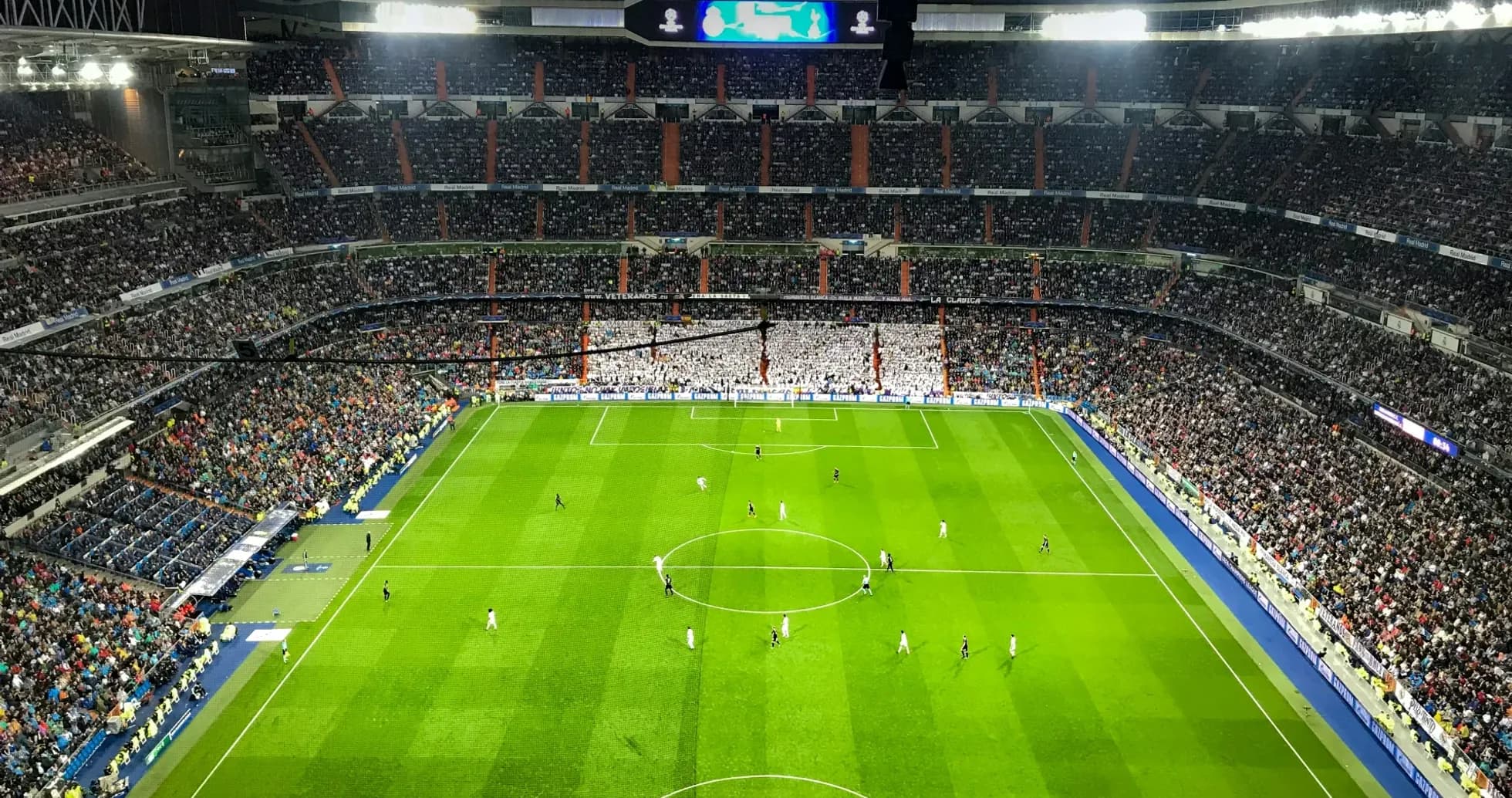
Under the Toronto lights at BMO Field, Canada’s World Cup return began with a 1–1 draw against Bosnia & Herzegovina, a result that leaves Group B finely balanced rather than decisively shaped. Following this result, both sides sit on 1 point and a goal difference of 0, Canada in 2nd and Bosnia & Herzegovina in 4th, each having scored and conceded 1 in total this campaign. It was a match that revealed as many structural truths about these squads as it did about their ambitions.
I. The Big Picture – Two 4-4-2s, Two Different Stories
Both coaches leaned into a classic 4-4-2, but the systems carried very different personalities.
Jesse Marsch’s Canada were aggressive in their interpretation: Maxime Crepeau behind a back four of Alistair Johnston, Luc De Fougerolles, Derek Cornelius and Richie Laryea, with a midfield line built to run and press – Tajon Buchanan, Ismael Kone, Stephen Eustaquio and Liam Millar – feeding a front two of Jonathan David and Tani Oluwaseyi. It was a shape built for verticality and quick surges through the half-spaces.
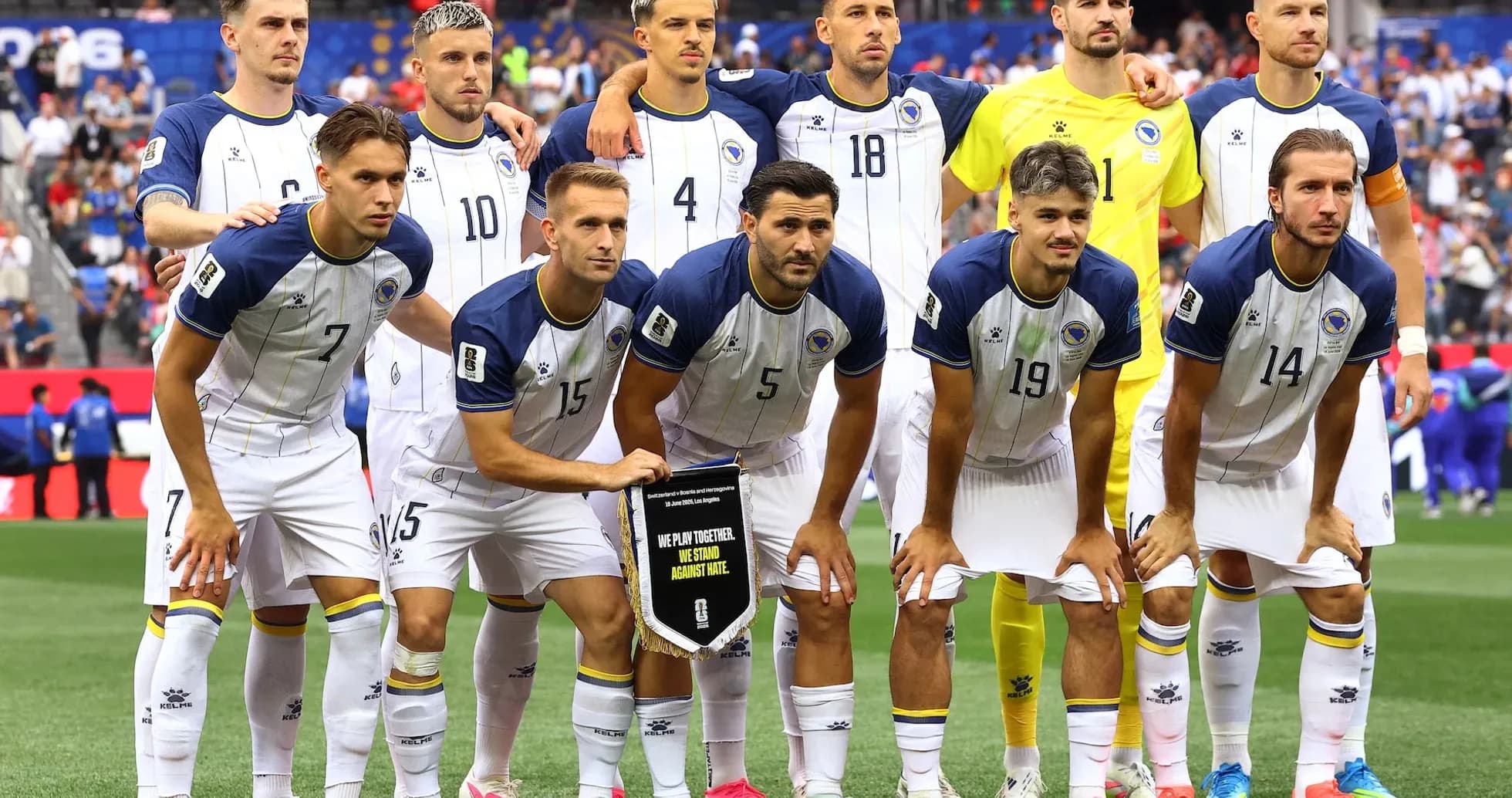
Sergej Barbarez mirrored the numbers but not the intent. Bosnia & Herzegovina’s back four of Amar Dedic, Nikola Katic, Tarik Muharemovic and Sead Kolasinac sat in front of goalkeeper Nikola Vasilj, with a hard-working midfield of Edin Bajraktarevic, Benjamin Tahirovic, Ivan Basic and Amar Memic supporting the strike pair Ermedin Demirovic and Jovo Lukic. Their 4-4-2 was more about compactness and counter-punching than constant pressure.
Statistically, both teams arrive at the same early-season baseline: in total this campaign, Canada have played 1 match, drawing it, with 1.0 goals for and 1.0 goals against on average at home. Bosnia & Herzegovina, on their travels, mirror that: 1 match, 1 draw, 1 goal scored and 1 conceded, averaging 1.0 for and 1.0 against away. Neither side has yet kept a clean sheet or failed to score, hinting at balanced but not impermeable structures.
II. Tactical Voids and Discipline – Where Edges Were Lost
There were no listed absentees, so both managers had full decks to play with. That made the in-game discipline and energy management all the more decisive.
Canada’s card profile this tournament is revealing. In total this campaign, their yellow cards have been split into an early-game spike and a mid-second-half edge: 50.00% between 0–15 minutes and 50.00% between 46–60. That suggests a side that starts emotionally hot and then re-ignites intensity right after half-time. De Fougerolles and Johnston, both booked in this match, embody that front-foot defensive instinct; Johnston, in particular, walks the tightrope between controlled aggression and risk, with 1 yellow card, 2 fouls committed and 7 duels contested, 5 of them won.
Bosnia & Herzegovina’s disciplinary curve is more scattered but constant. In total this campaign, their yellows are spread evenly: 33.33% between 31–45 minutes, 33.33% between 46–60, and 33.33% in the 91–105 window. Lukic, Katic and Demirovic each carry a yellow, illustrating how the spine of the team is willing to foul to protect structure. Katic, especially, is the embodiment of controlled hostility: 24 duels, 15 won, 5 tackles and 2 blocked shots, all while staying on the right side of a second booking.
No red cards for either side so far underlines that, while combative, both teams remain within tactical discipline rather than chaos.
III. Key Matchups – Hunter vs Shield, Engine Room vs Enforcer
Hunter vs Shield
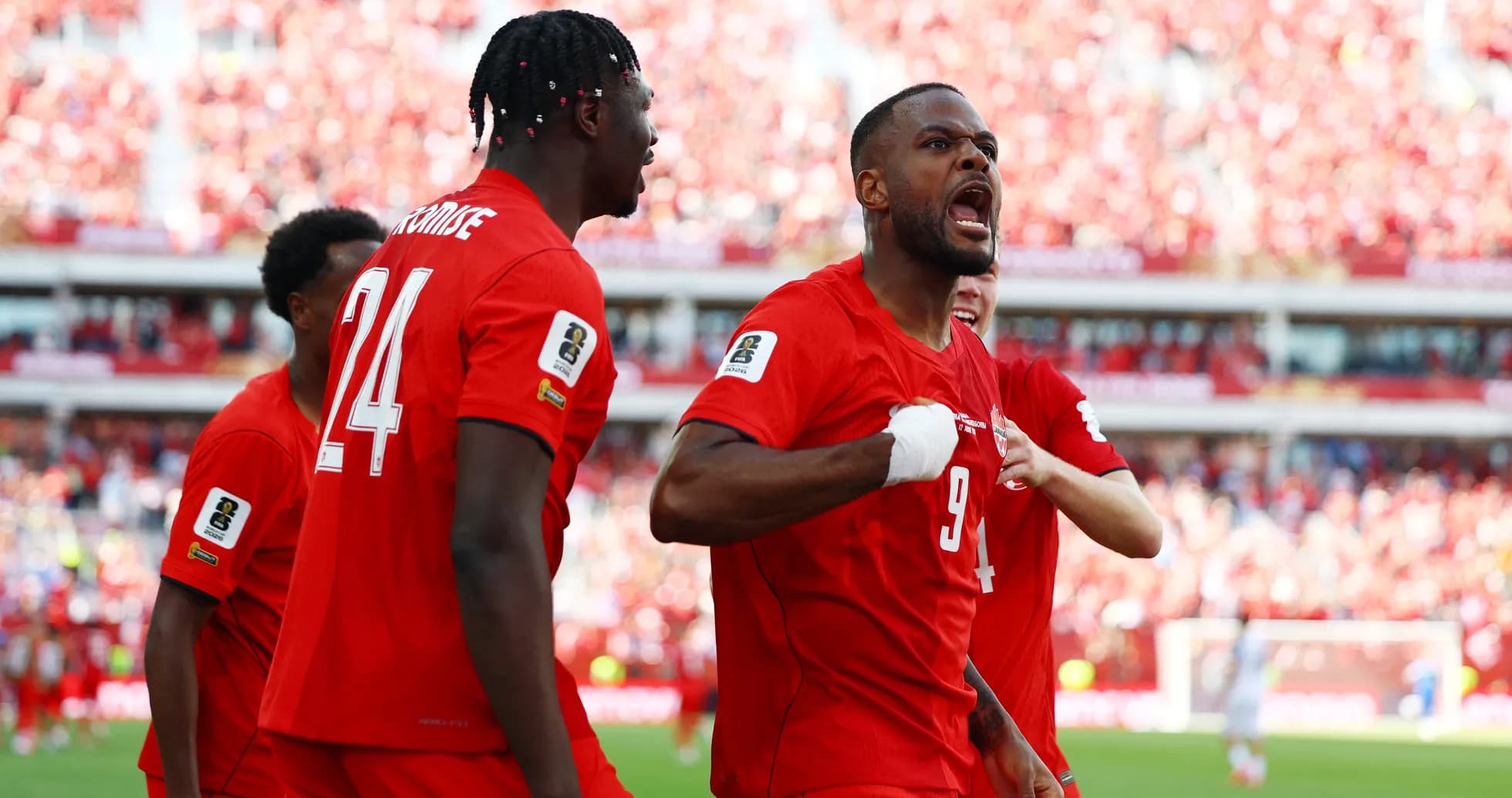
The purest “Hunter vs Shield” duel emerged between Canada’s attacking depth and Bosnia & Herzegovina’s central defence. Cyle Larin, coming from the bench, needed only 14 minutes to stamp his authority: in total this campaign he has 1 goal from 1 shot, 1 on target, and a rating of 7.7. His penalty-box instincts, combined with Promise David’s physical presence and 1 assist, gave Canada a late, direct threat that Bosnia & Herzegovina struggled to fully neutralize.
Opposite them, Katic and Kolasinac were immense as the Shield. Katic’s 8.2 rating, 5 tackles and 2 blocked shots underline a defender who not only reads danger but steps into it. Kolasinac complemented him with 3 tackles, 2 blocked shots and 1 assist, a left-back who doubles as a playmaker in transition. Together, they explain why, despite Canada’s late surge, Bosnia & Herzegovina have conceded only 1 goal in total this campaign on their travels.
Engine Room
In midfield, the “Engine Room” battle was subtler but just as decisive. For Canada, Eustaquio and Kone tried to control rhythm, while Buchanan and Millar offered width and ball-carrying lanes. The introduction of Promise David added a different dimension: in 29 minutes he contributed 1 assist, 1 key pass, 1 tackle and drew 1 foul, turning long balls and second balls into tangible threat.
For Bosnia & Herzegovina, Tahirovic and Basic were the quiet enforcers, screening the back line and funnelling Canada wide, where Kolasinac and Dedic could engage 1v1. Higher up, Lukic was the hybrid: in total this campaign he has 1 goal, 3 shots (2 on target), 13 duels with 10 won, and 1 yellow card. He functioned as both outlet and first defender, setting the tone for Bosnia & Herzegovina’s press and counter.
IV. Statistical Prognosis – Where This Draw Points Next
With xG data absent, we lean on structural indicators. Both teams have identical overall profiles so far: 1 match, 1 draw, 1 goal scored, 1 conceded, goal difference 0. Neither has taken or missed a penalty, so there is no variance from the spot to skew early impressions.
Canada’s use of a consistent 4-4-2 in all their matches this tournament (1 out of 1) suggests Marsch has a clear identity in mind: high-energy wide play, aggressive full-backs and impact forwards from the bench. The late-game influence of Larin and Promise David hints that Canada may increasingly tilt towards a three-forward rotation, using David as a chaos-bringer between the lines.
Bosnia & Herzegovina, also 1 out of 1 in a 4-4-2, appear more settled in their defensive mechanisms than in their attacking combinations. The fact that their standout performers so far are Katic and Kolasinac – both defenders with 2 blocked shots each – tells you that their foundation is solidity. Lukic’s early goal-scoring form, however, gives Barbarez a genuine focal point to build around.
Following this result, the prognosis is of two sides that are structurally sound but still searching for a killer edge. Canada’s late surge and bench firepower suggest they may edge future tight games if they can control their early-game card spikes. Bosnia & Herzegovina, with a rugged back line and a hard-running front pair, look built to frustrate favourites and steal margins.
This 1–1 did not settle Group B; it simply announced that both Canada and Bosnia & Herzegovina have arrived with clear identities, and that their next steps will be defined by whether their Hunters can finally break through the Shields that, for now, look remarkably well-matched.