World Cup 2026 Final Squads: Key Deadline Approaches
The countdown to the 2026 Fifa World Cup will not truly begin with the opening match, but with a deadline.
By Monday, 1 June, every nation with dreams of lifting the trophy must submit its final 26-man squad. No more trial lists, no provisional long shots. Just 23 to 26 names, set down in black and white, that will carry the hopes of a country.
A day later, on Tuesday, 2 June, Fifa will rubber-stamp those selections and publish the official squads. From that moment, the margins for change almost vanish.
The rules are ruthless, and deliberately so. Once a squad is confirmed, managers are allowed to alter it for only two reasons: a serious injury or a serious illness. Nothing tactical, nothing based on a late surge in form or a training-ground revelation. Fate, not footballing whim, is the only permitted disruptor.
If disaster strikes, there is a narrow window. A stricken player can be replaced up to 24 hours before his team’s first game of the tournament. Miss that cut-off and the door slams shut on outfield changes. A limping centre-back, a hamstrung winger, a forward who breaks down in the final friendly – if it happens too late, the coach must live with it.
There is, though, one position that enjoys a unique safety net.
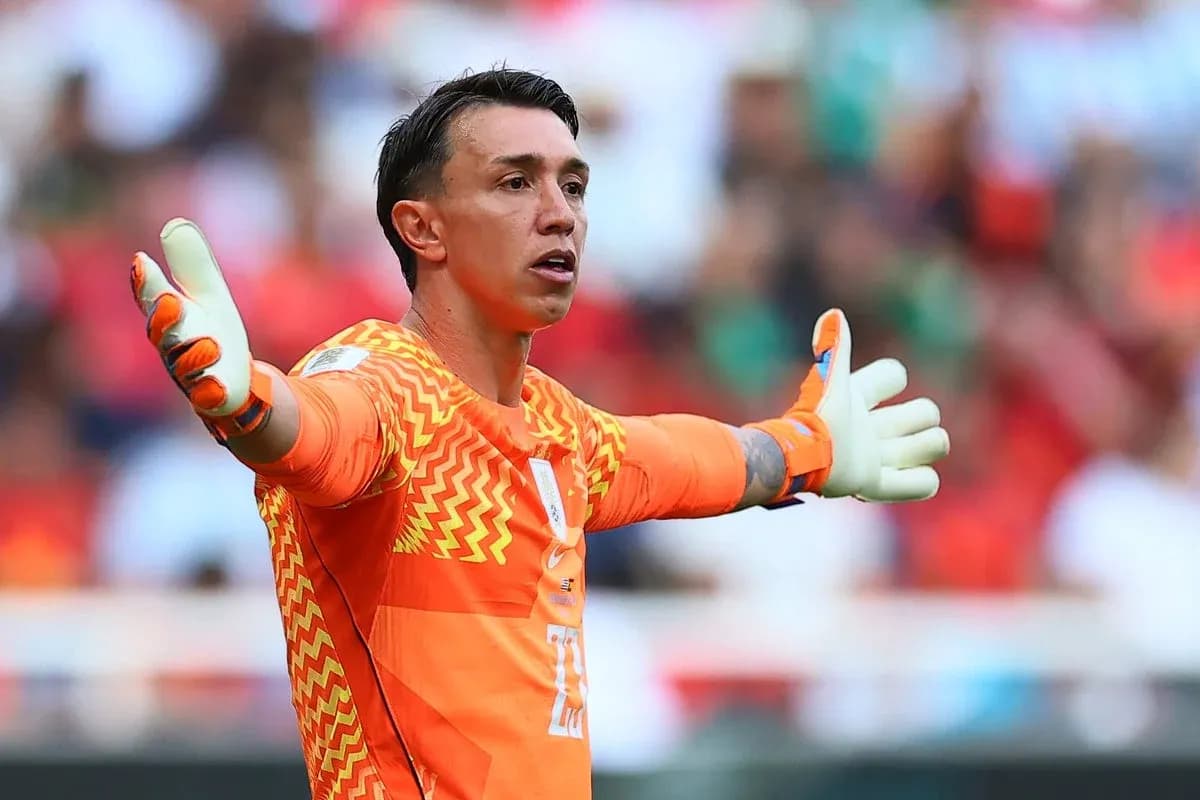
Goalkeepers sit in a category of their own. If a keeper suffers a serious injury or illness at any stage of the World Cup, he can be replaced at any time, even deep into the tournament. It is a nod to the specialist nature of the role and the chaos that would follow if a nation suddenly found itself without a fit, recognised No 1.
That special status is reflected in the squad rules. Each country’s final list must include at least three goalkeepers, whether they opt for a 23, 24, 25 or 26-man group. Coaches can trim in other areas, but not there.
England and Scotland have already shown their hand, mirroring many of their rivals by locking in full 26-man squads, each built around that core of three goalkeepers. No gambles on taking just two. No bending of the margins. In a tournament where one injury can change everything, neither is prepared to roll the dice in the most unforgiving position on the pitch.
Names will dominate the headlines as the deadline looms – who made it, who missed out, who was the shock omission. Yet behind every announcement sits the same hard framework, the same unforgiving calendar.
For the managers, 1 June is not just a date. It is the point of no return.