World Cup 2026: Tactical Shifts and Injuries Challenge Australia
World Cup 2026 has finally found its rhythm. Goals, controversy, tactical stubbornness, and a 41-year-old refusing to step aside. Across North America, the tournament is beginning to harden into shape – and for some nations, so are the questions.
Australia’s injury blow and a tactical fork in the road
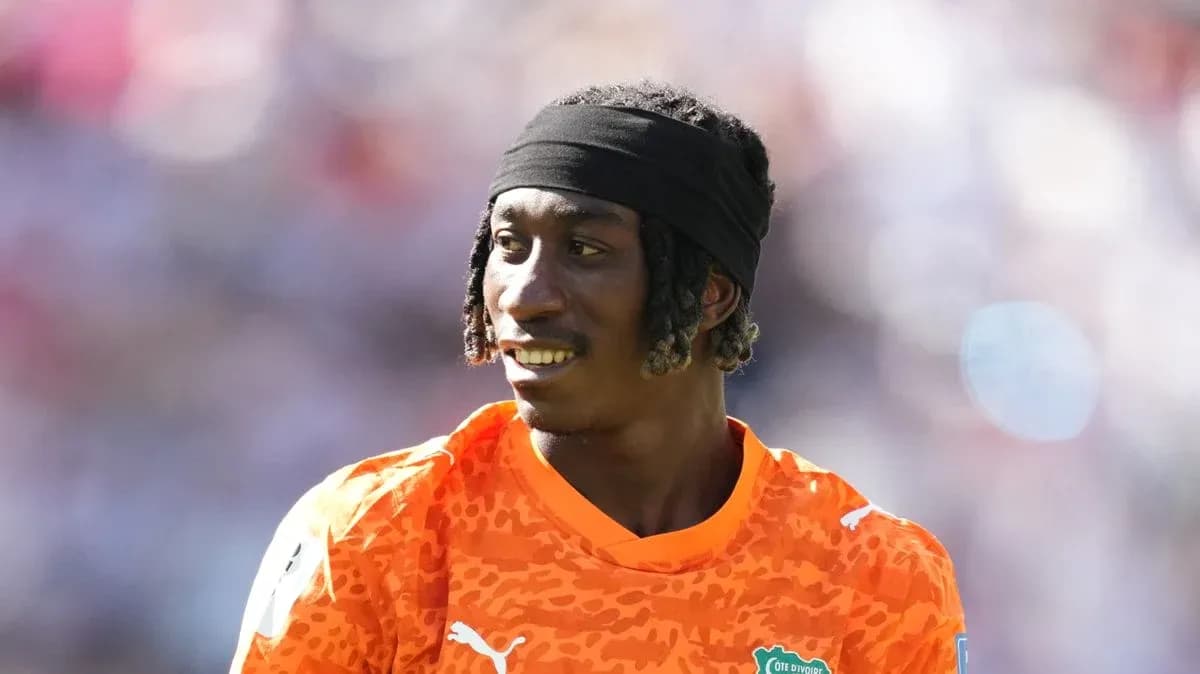
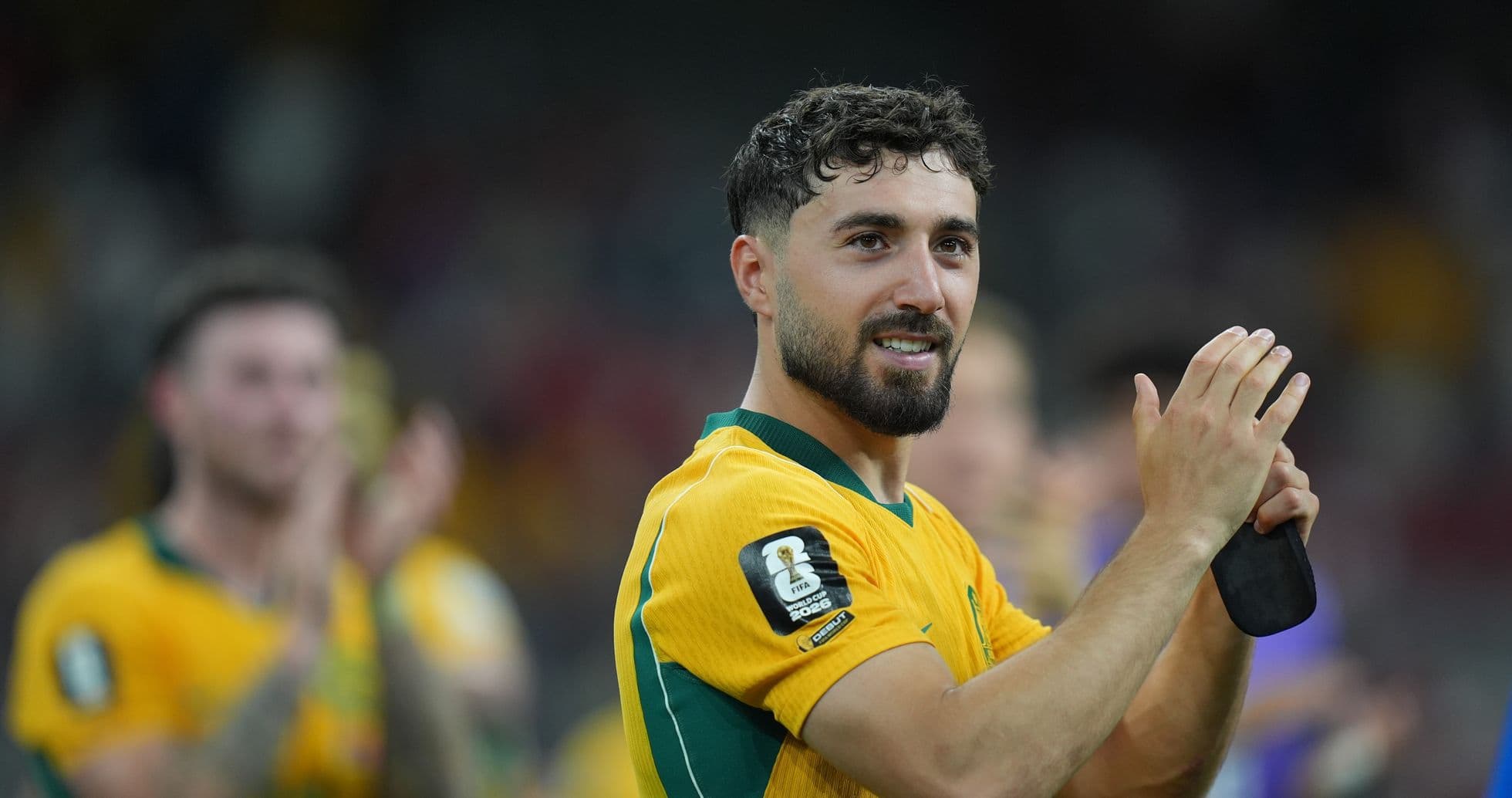
Australia’s campaign takes a sharp turn before a ball is even kicked in their decisive clash with Paraguay. Ryan Italiano, who had muscled his way into the starting XI as right wing-back, is set to miss out through injury, joining Mat Leckie on the sidelines.
It’s a significant setback. Italiano had stepped in for the injured Lewis Miller and never looked back: relentless against Turkiye in Matchday 1, helping lock down a clean sheet, then grinding through 90 minutes against the USA in game two. He had become a symbol of the Socceroos’ work ethic in this World Cup.
Now Tony Popovic has to reshuffle again, and the debate over his approach only grows louder.
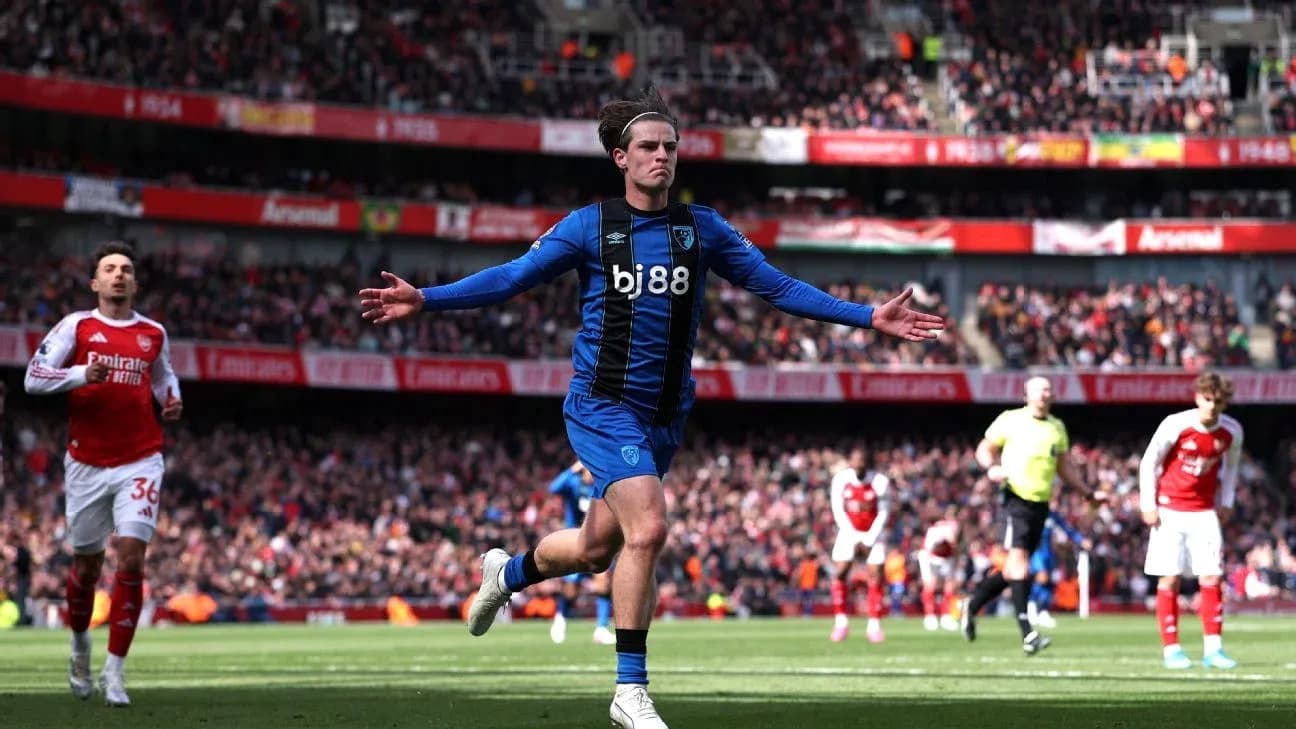
Australia’s 2-0 defeat to the USA in Seattle still lingers. The Socceroos spent the first half camped deep, absorbed pressure, and paid the price with two goals conceded. Only when Connor Metcalfe, Nestory Irankunda and Cristian Volpato came on after the break did the game flip, the Australians suddenly playing with pace and menace.
Popovic is naturally cautious. Craig Foster wants that dial turned up.
“I hope so (that they attack), but they're a little bit more cautious under Tony Popovic, that’s the way that he coaches, that’s the reality,” Foster told 1170 SEN Breakfast. He praised Popovic’s record – automatic qualification, something Australia had not managed for some time – but pointed straight at the USA match as the warning.
Too cautious, fall behind, and you’re chasing shadows.
Foster wants the coach to trust the kids from the first whistle. Volpato and Irankunda, he argues, have to be on early.
Volpato’s brief cameo was enough to jolt the conversation. “He was phenomenal,” Foster said, insisting that performance “has to make a statement to the coach.” He expects both Volpato and Irankunda to feature in the first half, with a simple plan: get ahead of Paraguay, then lean on the defensive organisation that has already proved hard to crack.
The question now is whether Popovic sticks to his nature or lets the handbrake off in a game that could define Australia’s World Cup.
Colombia climb, Congo cling on
Elsewhere, Colombia continue to move with quiet authority. Right-back Daniel Muñoz delivered the decisive moment, arriving in the 76th minute to score the only goal and send Colombia to the top of Group K with six points from two games.
For Congo, the margins are thinner. They sit on a single point, their hopes hanging by a thread. Beat Uzbekistan on Sunday and they can still sneak through as one of the best third-placed sides. Anything less, and the tournament closes in on them.
Fire on the touchline: Bellingham and Queiroz collide
Boston delivered a different kind of drama. No goals, barely a spark in open play, but plenty of heat on the touchline.
In a tetchy 0-0 draw, Jude Bellingham escaped a card for a heavy challenge on Jerome Opoku right in front of the dugouts. The tackle sparked a furious reaction from the opposition bench and a heated exchange with Carlos Queiroz.
The veteran coach, asked about the incident afterwards, did not hide his irritation. “He had a bad reaction with some bad names,” Queiroz said, explaining that his first instinct had been to calm things down and check on his player’s condition. Emotions spiked, words flew, and tempers frayed.
Then it fizzled out.
“In the middle of the emotional moment these things are normal,” Queiroz reflected. “One word created a bit of fire but we cooled down. Football is not dancing in a saloon with tuxedos. It's not a show.”
Bellingham’s version of events was blunt. “It was just when I made a silly tackle, to be honest,” he said. He admitted he had followed through and caught his opponent while trying to win the ball, then spoke to him afterwards. The opposition bench, he added, leapt up “trying to get me a yellow card.”
He recognised Queiroz from his Manchester United days and stressed there was “nothing but a competitive edge for both of us.” The game lacked quality, but it did not lack edge.
The result leaves the group tight: England and Ghana on four points, England top on goal difference, and their latest challenger finally on the board with a first win that moves them to third in Group L with three points. Croatia, also in that mix, now know exactly what they need: beat Ghana on June 28 and they’re through to the Round of 32; draw and they cling to the third-place route.
Panama, already eliminated, will play for pride against England on the same day.
England hit the wall against Ghana
For England, the mood has turned sharply. The exhilarating 4-2 win over Croatia has been followed by a thud.
At Foxborough, Ghana parked the bus for 95 minutes and refused to move it. England struggled to find any kind of rhythm against a low block that seemed to grow thicker with every minute. The game grew scrappy, physical, and increasingly ill-tempered. Declan Rice’s yellow card felt less like a tactical foul and more like a release of pent-up frustration.
The officials did little to calm things, missing calls for both sides, and the spectacle disintegrated. Ghana walked away delighted with a point and a statement of resilience. England left with a 0-0 that felt like a defeat in everything but name.
Micah Richards didn’t sugar-coat it. “The frustrating thing was that England weren't brave enough,” he said. Facing a deep defensive line, he saw “too many safe passes” and not enough risk.
Harry Kane, who had terrorised Croatia, found himself shackled. Thomas Partey tracked him relentlessly.
“I was kind of man-marked there with (Thomas) Partey for a lot of the games,” Kane told the BBC. He spoke of the lack of space to drop deep and then arrive late in the box, and of Ghana’s disciplined defending around their penalty area. Crosses came in, but England rarely won the first contact. Central passing lanes were clogged, the game squeezed into tight pockets where creativity died.
Kane felt England improved as the match wore on, especially in one-v-one situations out wide, but acknowledged the reality: “You go through games like that, we're playing in the World Cup, you play against a decent side who are compact and make it difficult, and that's what we come against today."
Wayne Rooney, who knows Queiroz’s methods better than most from their Manchester United days, called it a typical performance from a side coached by him: disciplined, compact, infuriating to break down. He stressed the importance of crosses as England’s main route to chances and urged calm.
“We keep going, we still have a great chance of finishing top of the group. There's no need to be negative; we need to stay positive,” he said.
Positivity might be in short supply among fans who dragged themselves out of bed for the early kick-off, only to watch Ghana sit in a double-decker defensive block for the full 90. England had no answer, no real chances of note, and no way through.
New rules for the cruelest stage
While group-stage tension builds, FIFA is preparing to tweak one of football’s most brutal rituals.
Penalty shoot-outs, which kick in from the last 32 if games remain level after 90 minutes and 30 minutes of extra time, will no longer be preceded by two separate coin tosses. Traditionally, one flip decided which end the penalties would be taken into, the other determined who kicked first.
That double blow famously went against Arsenal in their Champions League final shootout against PSG. They lost both tosses, shot second, and faced a wall of opposition fans. They also lost the trophy.
FIFA wants to strip away that double disadvantage. Under the new system, a single coin toss will decide everything. The winner chooses either to kick first or to select the end. The other captain takes whatever option remains.
It’s a small adjustment, but in the pressure cooker of a World Cup shootout, small margins often decide everything.
Ronaldo roars back as the greats trade blows
If there were doubts about Cristiano Ronaldo’s place at this World Cup, they did not last long.
After a flat 1-1 draw with DR Congo in Portugal’s opener, the questions came hard. Was the 41-year-old still worth his starting spot? Was Roberto Martinez simply too wary of the fallout to leave him out?
Ronaldo answered in the most familiar way possible.
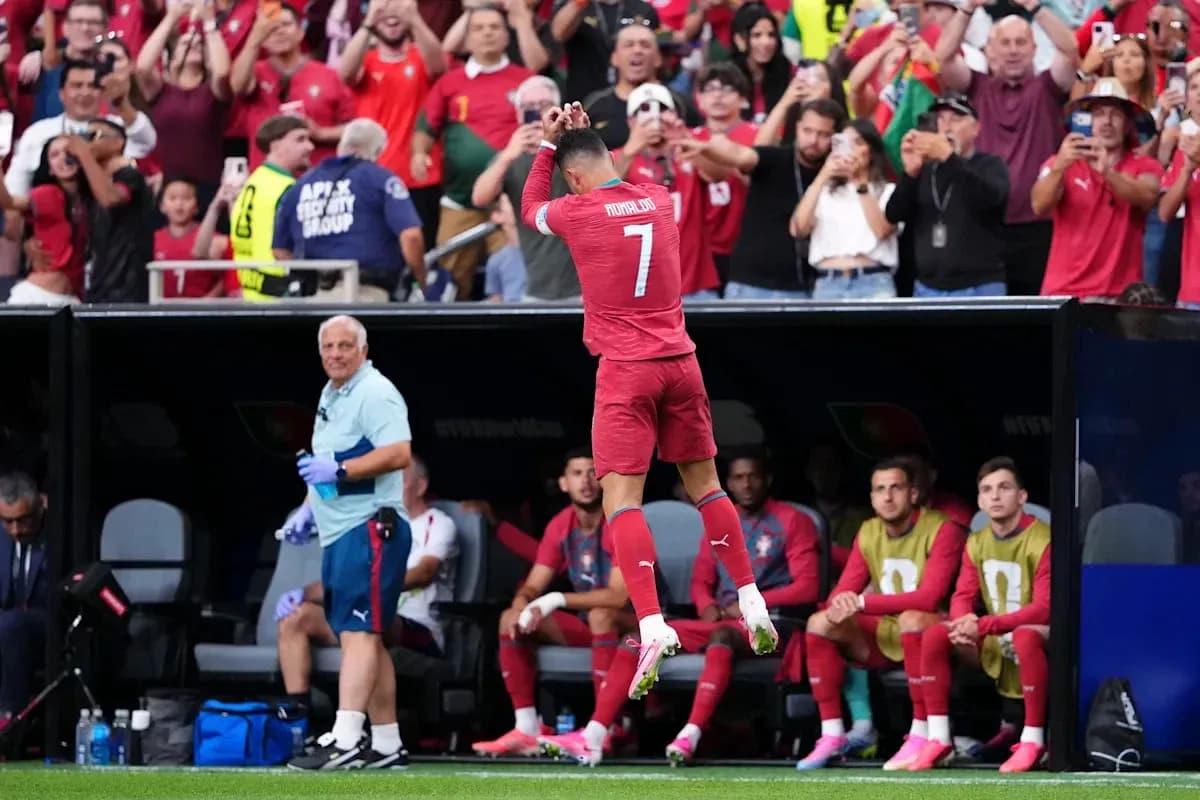
He scored twice in a ruthless 5-0 dismantling of Uzbekistan, a result that all but secures Portugal’s place in the knockouts. It came on the heels of a remarkable day in which Lionel Messi, Kylian Mbappé and Erling Haaland had all hit doubles of their own.
The old master refused to let the new era have the stage to itself.
“I knew it. God helps those who work hard,” Ronaldo said, describing a “difficult, dark week” in which it felt “like I was already retired from football.” He insisted he held on, as ever, through belief in hard work. “It was difficult, I have to confess, but we're back.”
Roy Keane, his former Manchester United teammate, was never in doubt. “Cristiano Ronaldo was never gone. He is the man. What is up with everybody? Doubted genius,” he said, comparing Ronaldo’s status to that of Tom Brady and savouring the quality of both goals.
“The hardest point of the game is putting the ball in the back of the net. And he does.”
On a World Cup stage now shared by Messi, Mbappé, Haaland and the rest of the new royalty, Ronaldo has forced his way back into the conversation. Again.
Grief in the French camp
Amid the noise and drama, France have been hit by a personal tragedy.
Didier Deschamps has left the squad after the death of his mother, the French Football Federation confirmed. He will miss training sessions and will not be on the bench for Friday’s final Group I match against Norway.
“In agreement with Philippe Diallo, president of the French Football Federation, who is currently at the France team’s base camp, Deschamps has entrusted assistant coach Guy Stephan with responsibility for leading the squad until his return,” the FFF said.
For a team chasing another deep World Cup run, the focus now sits alongside a very human loss.
American ambition meets a brutal verdict
Across the Atlantic, the USA’s confidence has been hard to miss. Bold talk, big statements, and a sense that this home-soil World Cup could be their moment.
Tim Howard isn’t buying it.
The former US goalkeeper, speaking on the Unfiltered Soccer Podcast in a debate with Landon Donovan, cut through the noise. “The US cannot, unequivocally, win the World Cup,” he said. For Howard, the path is simply too steep: four consecutive wins against global heavyweights from the Round of 16 onwards.
“They’re going to have to beat (four) world soccer powerhouses in a row… It is literally impossible for the US to win the World Cup… That’s just the reality.”
The words will sting, especially coming from one of the country’s great modern players, and they land in the wake of that fractious, “putrid” clash with Australia that the Americans ultimately won – and loudly enjoyed.
For now, the US have the bragging rights. The question is whether they have the staying power.
As the group stage edges towards its climax, injuries are reshaping line-ups, tempers are fraying, and legends are refusing to step aside. Some teams are already clinging to permutations and third-place scenarios. Others are beginning to look like contenders.
The World Cup has finally arrived. Now we find out who really has.