Tottenham's Overhaul: From Chaos to Control in Performance and Psychology
Tottenham staggered over the line. They stayed up, but only just.
Two points. That was the thin strip of daylight between Spurs and the Championship after a season that lurched from injury crisis to managerial churn and back again. Survival owed plenty to Roberto De Zerbi, who dragged 11 points from the final six games and stopped the freefall on a fraught final day.
Now the club is tearing into itself.
This is not a cosmetic review or a tidy end-of-season debrief. Tottenham have launched a sweeping internal investigation into how a club with their resources ended up flirting with relegation, and why their players keep breaking down at a rate unmatched in the Premier League.
At the centre of it all: a new performance chief, a club psychologist, and even questions about the very turf under their feet.
Lewindon’s inquest: science, medicine and a culture reset
The man driving this overhaul is Dan Lewindon, the new performance director parachuted in from the City Football Group in February. He arrived to find a club creaking under the strain of constant change and an injury list that had become a running joke everywhere but inside the treatment room.
His timing was striking. Lewindon walked into Hotspur Way the day before Thomas Frank left the club, inheriting a set‑up that had already burned through four head coaches in 12 months and seen long‑standing medical structures ripped up.
Geoff Scott, who had overseen medicine and sports science for more than 20 years, departed in 2024 and is now at Nottingham Forest. His exit was followed by more upheaval: director of performance services Adam Brett and head of sports science Nick Davies both left after just a year in their posts. The continuity that once underpinned Spurs’ medical department had vanished.
Nick Stubbings, a trusted figure from Brentford, came in last summer as the men’s medical lead, joining a small ex-Bees contingent in north London. But the problems kept piling up. Tottenham suffered more injuries than any other Premier League club, and not the minor kind.
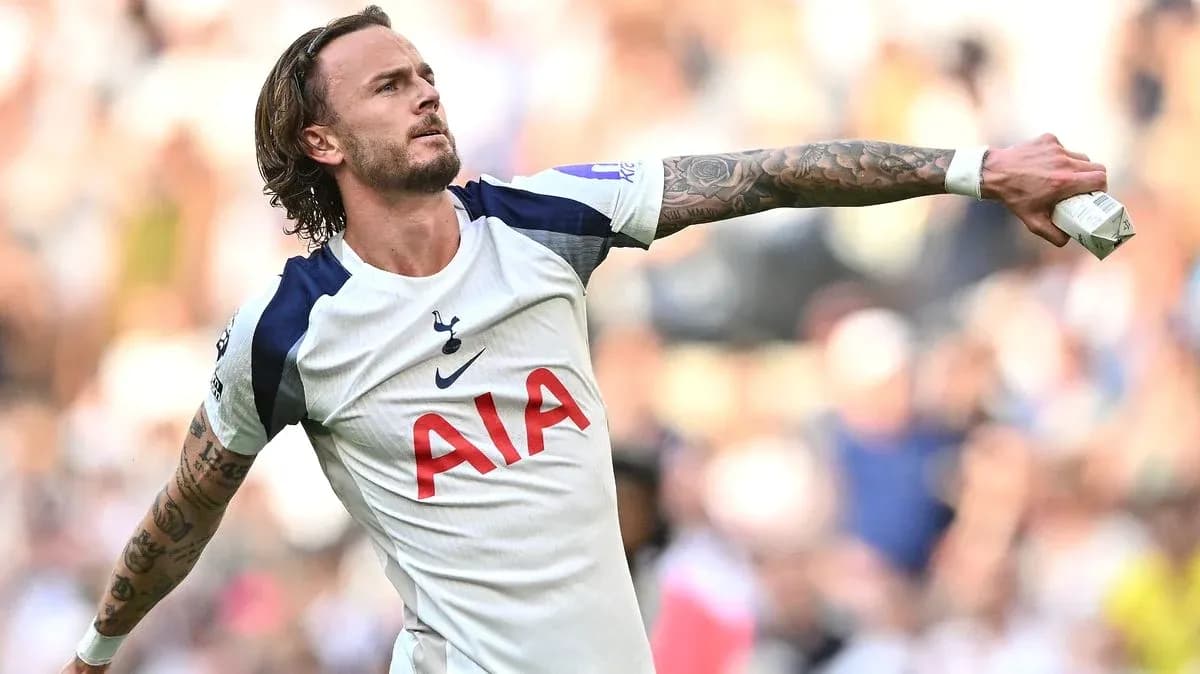
James Maddison, only recently back after a partially torn ACL finally gave way completely last summer, did not bother to hide his frustration.
"Our situation with the injuries has been worse than any other club," he said after the win over Everton. "People try and say 'Oh, but we've got this and that', but ours is astronomical, and we need to look at why that is."
That is precisely what Lewindon has been tasked with. His background spans football, tennis and rugby at the highest level, and Spurs believe he is the man to pull them out of a three‑season stretch in which double figures of players have been unavailable far too often.
Non-executive chairman Peter Charrington has already nailed the club’s colours to the mast, confirming moves to "modernise our football operation, with a significant focus on raising standards across medical and performance".
The message is blunt: the way Tottenham prepare, train and protect their players is no longer good enough.
De Zerbi’s role: a coach who refuses to gamble with bodies
De Zerbi’s rescue act on the touchline has been obvious. His influence off it is starting to show as well.
Those who work in the medical department talk about a 46-year-old who is clear, consistent and, crucially, unwilling to gamble with players just to chase a result. In a season where every point felt like a lifeline, that stance has carried weight.
He has made it plain inside the club that he sees part of his job as being a psychologist as much as a tactician. The Italian has held frequent one‑to‑one meetings with players, worked to restore damaged confidence and used carefully chosen video clips – from their best days at Spurs and at previous clubs – to remind them what they can be when fully fit and fully trusted.
There is a belief that he and Lewindon have already formed a strong working relationship, talking regularly about how to drag Tottenham’s performance and medical set‑up towards the standards of Europe’s elite.
The work is granular. It is about when to push and when to pull back, when to clear a player and when to say no. And it feeds into a deeper cultural shift.
Killing off ‘Spursy’: the mental battle
Tottenham have long worn the ‘Spursy’ tag like a scar. Collapse when it matters. Panic when calm is required. Find a way to lose.
Inside the club, they are no longer shrugging it off as lazy banter. They are treating it as a problem to be fixed.
Lewindon has been central to a drive to bring in a new lead psychologist, someone embedded full‑time with players and staff, not a consultant who drops in and out. The remit is simple: help everyone at the club handle the pressure of top‑level football and break the patterns that have seen Spurs unravel in key moments.
De Zerbi’s own work on the psychological side dovetails with that push. He has tried to make the individual the starting point – the person before the player – a theme that runs through the wider overhaul.
The pitch under suspicion
The investigation does not stop at bodies and minds. It has reached the ground itself.
Tottenham are already examining whether their much‑lauded retractable pitch at the Tottenham Hotspur Stadium has played any part in the spate of ACL injuries that has struck the club. The grass surface slides under the South Stand to make way for NFL games and concerts. It is a marvel of engineering. It is also under scrutiny.
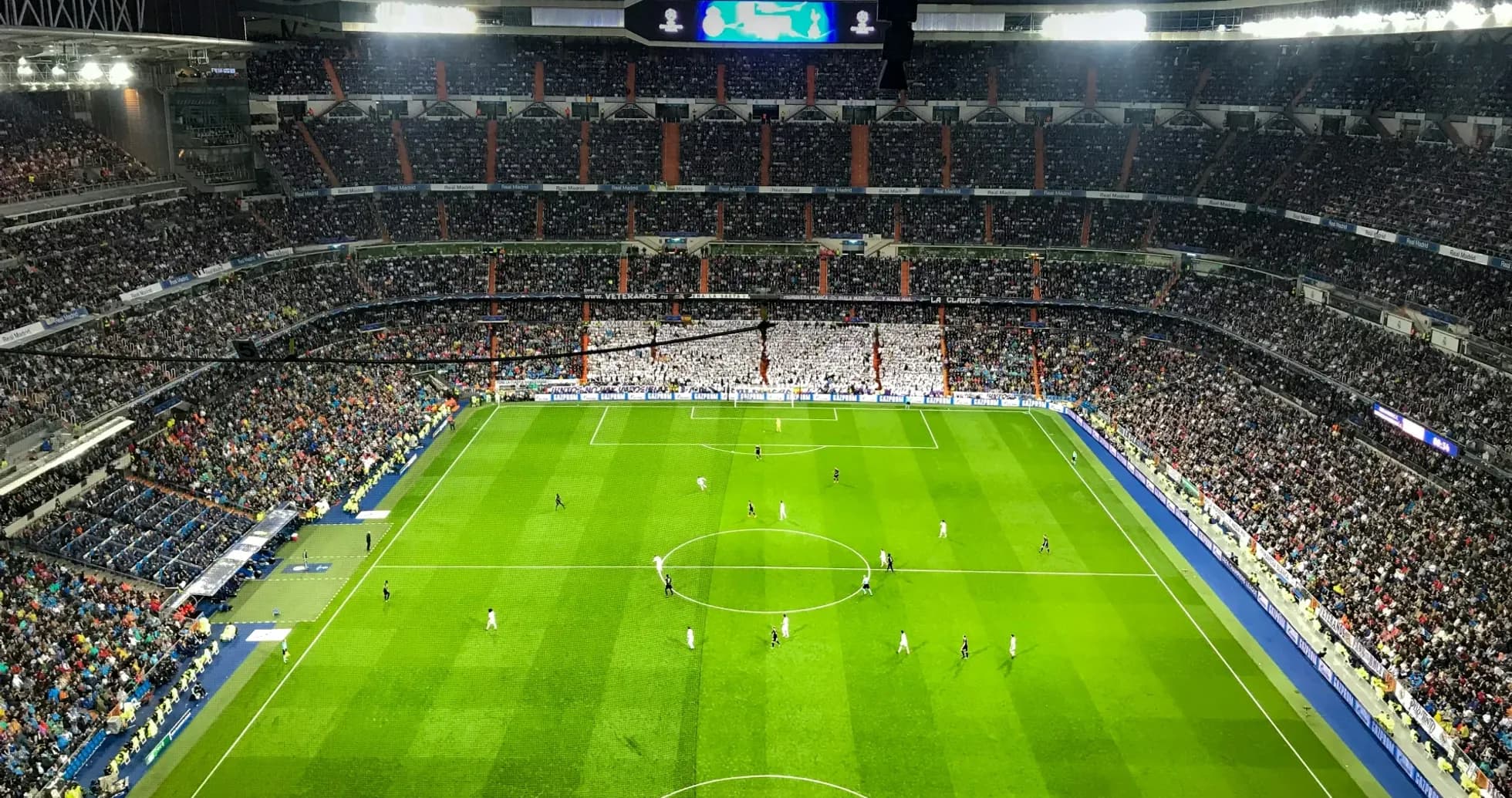
Spurs have suffered five ACL injuries in recent years. Inside the club there is an acceptance that this is too many to ignore. Real Madrid, who also use a retractable surface, have endured their own injury issues since installing it. The parallels are impossible to miss.
Early independent tests on matchdays have so far shown no measurable difference in bounce or spring between the stadium pitch and the training pitches at Hotspur Way. That has calmed some nerves, but not ended the inquiry. More detailed, long‑term analysis is on the way.
Some incidents, the club maintains, are simply cruel luck. Xavi Simons and Wilson Odobert are cited as examples of unfortunate ACL blows. The handling of Xavi’s injury at Molineux has already been reviewed internally and backed: the physios believed they acted correctly, the player wanted to continue but could not, and Spurs are convinced no extra damage was done.
Still, when the same type of injury keeps cropping up, coincidence becomes a hard sell. Tottenham want proof – one way or the other.
A new model: pods, trust and ‘robust’ recruits
Beneath the headline changes, Lewindon is reshaping the day‑to‑day mechanics of how Spurs treat and manage players.
One major shift under consideration is a move to a pod‑based model. Instead of physios and sports scientists being spread thinly across the entire squad, small groups of four to six players would be clustered together, each pod surrounded by dedicated staff.
The idea is simple: fewer players per staff member means deeper understanding. Their bodies, their positions, their training loads, their personalities. Like a teacher with fewer students, the hope is that specialists can make better, quicker calls on preparation, recovery and risk.
That approach fits neatly with De Zerbi’s conviction that Tottenham must understand their players as individuals – their family lives, their mental state, their tactical role – if they are to compete at the highest level.
Trust is another fault line. Some Spurs players have, at times, leaned more heavily on medical staff from former clubs or their national teams. It is not unusual in modern football, where players increasingly employ their own performance specialists, but it can lead to mixed messages and conflicting plans.
Tottenham want to tighten that web. The aim is a single, agreed‑upon treatment and performance plan for each player, signed off by everyone involved – club, country and personal staff – so that the player is not caught between competing voices.
Once Lewindon’s review is complete, staff changes behind the scenes are expected. New ideas, new personalities, tighter integration between departments. Recruitment will not escape scrutiny either. There is a growing acceptance that Spurs must target more physically robust players who can withstand the demands of De Zerbi’s high‑energy style.
Manager churn and the cost of chaos
Inside the club, there is also a frank admission: the revolving door in the dugout has hurt them physically.
Every new head coach arrives with fresh training methods, new intensity levels, different expectations. Players, desperate to impress, push themselves harder, sometimes beyond their limits. Sessions change, loads spike, and bodies buckle.
Four head coaches in a year is not just a sporting problem; it is a medical one. Tottenham know that if they are serious about cutting injuries, they must first cut the chaos.
Power questions and what comes next
All of this is unfolding against a backdrop of uncertainty higher up the football operation. Sporting director Johan Lange’s future is in serious doubt after a turbulent 12 months. The Dane, who has overseen that carousel of head coaches, could yet be moved into a supporting or transitional role, with Spurs hunting what they describe internally as a “world‑class” sporting director.
This is not a minor reshuffle. It is a re‑wiring of how Tottenham think, train and compete.
They cannot afford another year like the one they have just crawled through. De Zerbi needs more players available, more often. The club needs fewer excuses.
The changes will not show up overnight on a league table. They rarely do. But if Lewindon’s course correction works – if the injuries drop, the trust grows and the ‘Spursy’ label finally loses its grip – then this miserable season might yet be remembered as the moment Tottenham stopped stumbling and started acting like a serious club again.