Sporting KC II vs Ventura County: A Clash of Opposing Fortunes
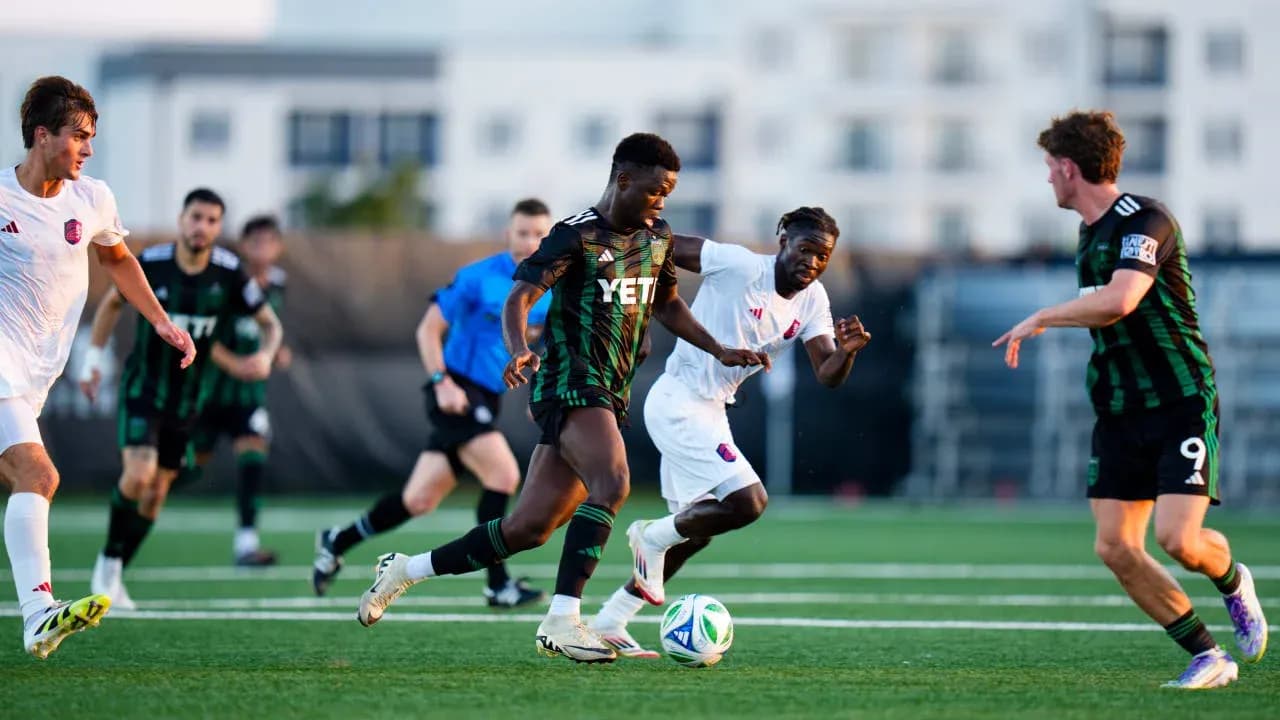
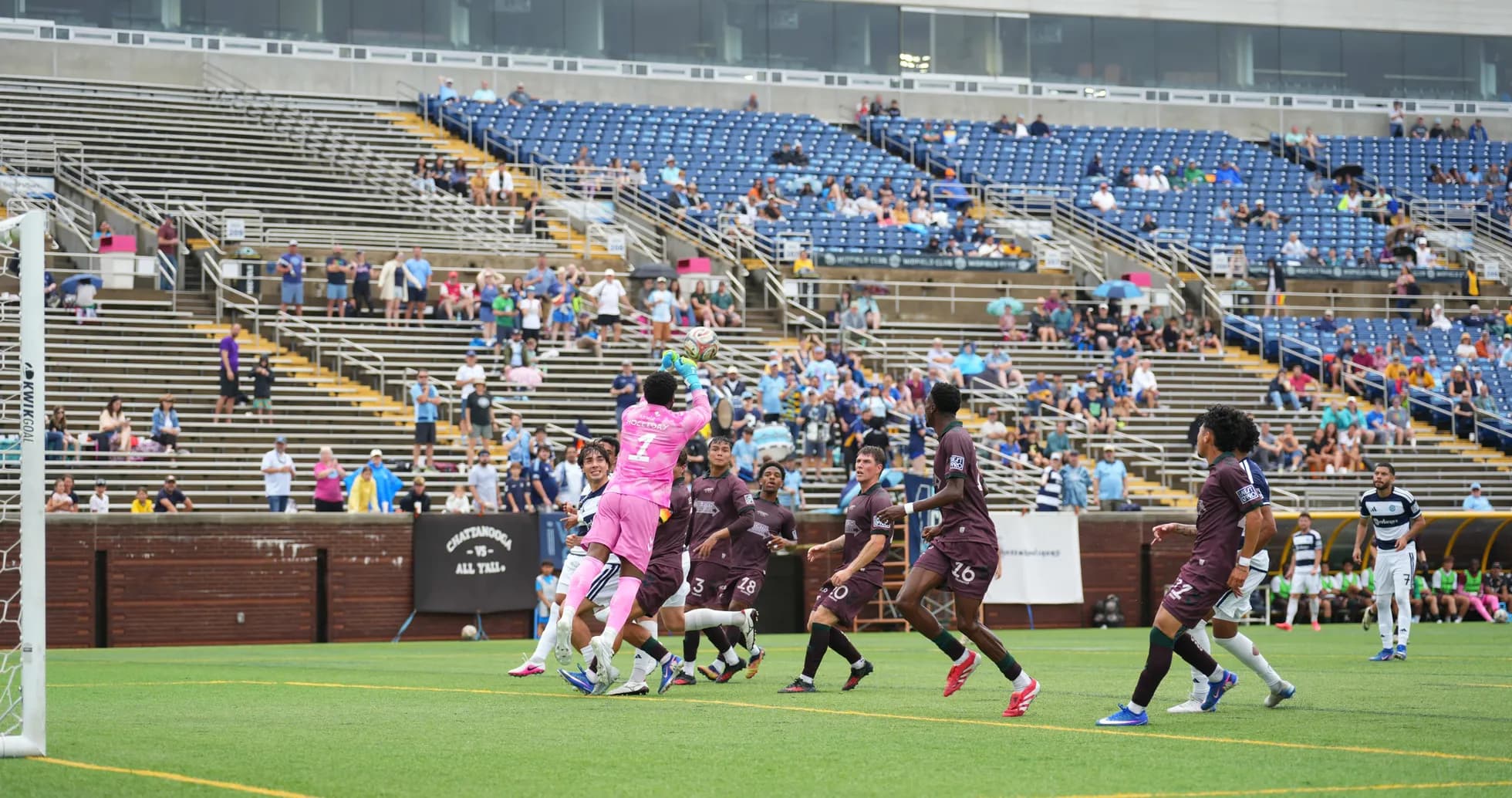
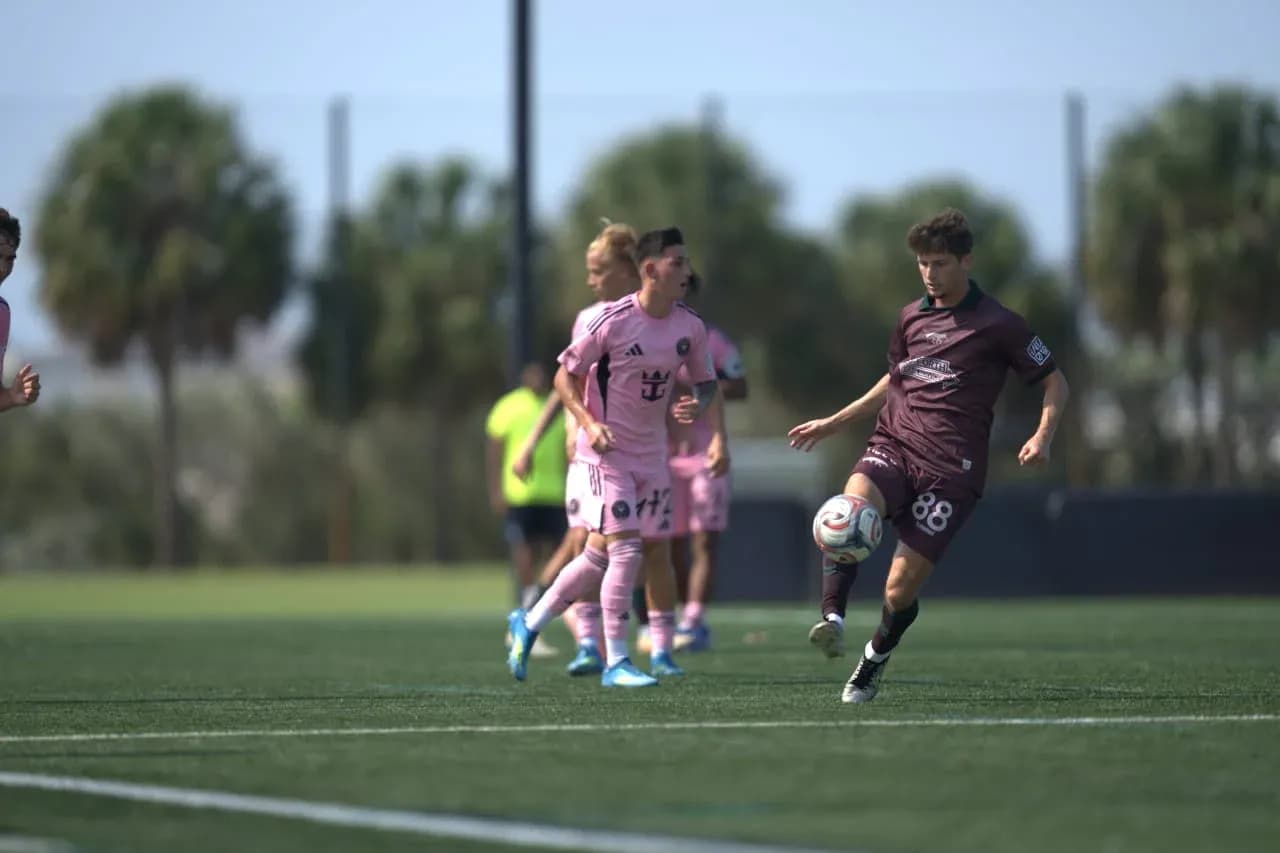
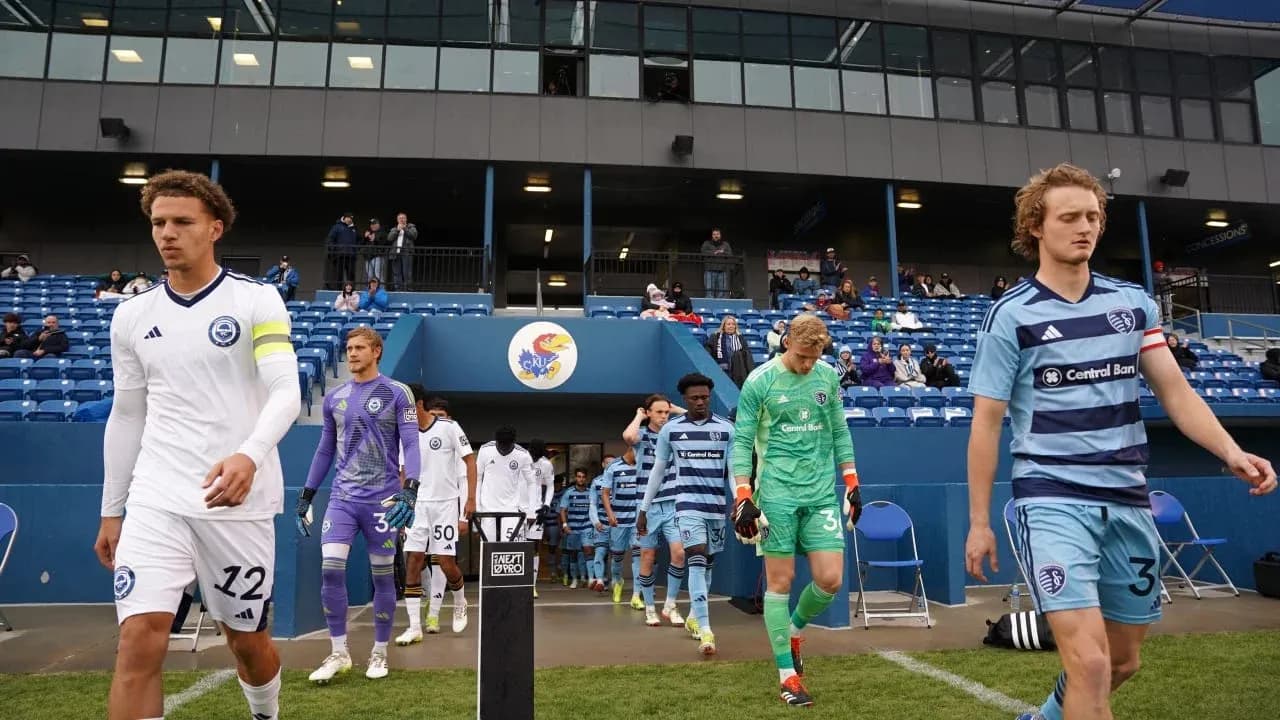
Under the lights at Swope Soccer Village, this MLS Next Pro Group Stage clash brought together two clubs moving in opposite directions. Sporting KC II, struggling in the Frontier Division and 13th in the broader Eastern Conference snapshot with 7 points and a goal difference of -17 overall (11 goals for, 28 against before this match), faced a Ventura County side riding higher standards: 17 points, a total goal difference of 3, and a promotion-track rank of 3 in the conference picture.
Following this result, the 2-0 away win for Ventura County felt less like an upset and more like a confirmation of the season’s underlying trends. Sporting KC II’s fragility at home collided with one of the league’s most efficient traveling squads—and the patterns in the data played out on the pitch.
I. The Big Picture: Identities Confirmed
Sporting KC II came into this one with a difficult home profile. At home they had played 8, winning just 1 and losing 7, scoring 7 and conceding 20. That home average of 0.9 goals for and 2.6 against painted a clear picture: they rarely impose themselves in Kansas City and often find themselves chasing.
On their travels, Ventura County had been the opposite: 5 away fixtures, 4 wins, 1 loss, with 6 goals scored and only 4 conceded. An away average of 1.6 goals for and 0.8 against spoke to a team comfortable in compact, controlled games, leaning on structure and efficiency rather than chaos.
The 0-0 half-time score hinted at a contest of patience, but the final 0-2 away scoreline fit Ventura County’s season-long away script: disciplined defending, ruthless in key moments.
II. Tactical Voids and Discipline
Neither side’s absences were flagged in the data, but the tactical void for Sporting KC II was less about missing names and more about missing cohesion. Ike Opara’s starting XI—headed by J. Kortkamp, with outfielders like J. Francka, P. Lurot, N. Young, Z. Wantland, B. Mabie, S. Donovan, T. Haas, J. Ortiz, M. Rodriguez, and T. Ikoba—had to bridge a structural gap that has plagued them all season: the inability to protect their own box.
Overall this campaign, Sporting KC II have conceded 30 goals in 11 matches, an overall average of 2.7 against per game, with no clean sheets in total. Even their biggest home defeat, a 0-5 scoreline, hints at how quickly games can unravel once the first goal goes in.
Disciplinary patterns reinforce this fragility. Their yellow cards are scattered but with notable spikes: 21.43% of yellows between 31-45 minutes and another 21.43% between 76-90, with additional 14.29% segments in several other windows. That late-game 76-90’ spike suggests a team that becomes stretched and reactive as matches wear on, often arriving late into challenges when chasing.
Ventura County’s card profile is more concentrated and, crucially, later. A full 33.33% of their yellows arrive in each of the 46-60, 61-75, and 76-90 minute windows. They accept physicality once the tempo rises after the break but maintain discipline early on, rarely destabilizing themselves in the opening phase.
III. Key Matchups: Hunter vs Shield, Engine vs Engine
Without explicit top-scorer data, the “Hunter vs Shield” dynamic is defined by collective tendencies rather than individual stars. Ventura County’s attack, with 18 total goals this campaign and an overall average of 1.8 per match, met a Sporting KC II defense conceding heavily both home and away.
On their travels, Ventura County’s 6 goals scored and 4 conceded underline a pragmatic approach: they do not flood forward, but when chances appear, they are efficient. Their biggest away win, 0-2, mirrors the exact margin they produced here. It is a template: absorb, control, strike twice, shut the door.
On the other side, Sporting KC II’s front line—featuring runners like M. Rodriguez and the presence of T. Ikoba—has flickers of threat. Overall they have 12 goals in 11 matches, with an overall scoring average of 1.1 and a better away scoring rate (1.7) than at home (0.9). At Swope Soccer Village they simply do not create enough clear chances, underscored by 4 home matches where they failed to score and 5 such matches in total.
The “Engine Room” duel was less about a single playmaker and more about collective control. Ventura County’s midfield unit, with players like A. Vilamitjana, G. Arnold, and T. Elgersma, has powered a side that has yet to fail to score in any match this season—0 total fixtures without a goal. Their ability to repeatedly generate at least one breakthrough placed constant stress on a Sporting KC II side that has never kept a clean sheet.
IV. Statistical Prognosis and What the Scoreline Tells Us
From an analytical standpoint, this match always tilted toward Ventura County. Heading into the contest, their total clean sheets stood at 4, including 3 away. That away defensive record—only 4 goals conceded in 5 matches—matched up against a Sporting KC II attack that often misfires at home. The most likely xG pattern was a low-volume home side against a clinical away team, with Ventura County favored to edge both territory and quality of chances.
The final 0-2 reflected that balance. Sporting KC II’s defensive averages and lack of clean sheets made conceding at least once highly probable; Ventura County’s away solidity made a Sporting KC II goal statistically unlikely. The away side’s season-long habit of scoring in every game suggested that once they found the opener, the tactical burden would shift entirely onto a fragile home structure.
Following this result, the storylines crystallize. Sporting KC II remain a project searching for defensive stability and a home identity, their negative goal difference widening further. Ventura County, meanwhile, continue to look like a playoff-caliber machine: efficient, composed, and particularly ruthless on their travels, where 4 wins in 5 and repeated clean sheets underline a squad that knows exactly who it is and how it wants to win.