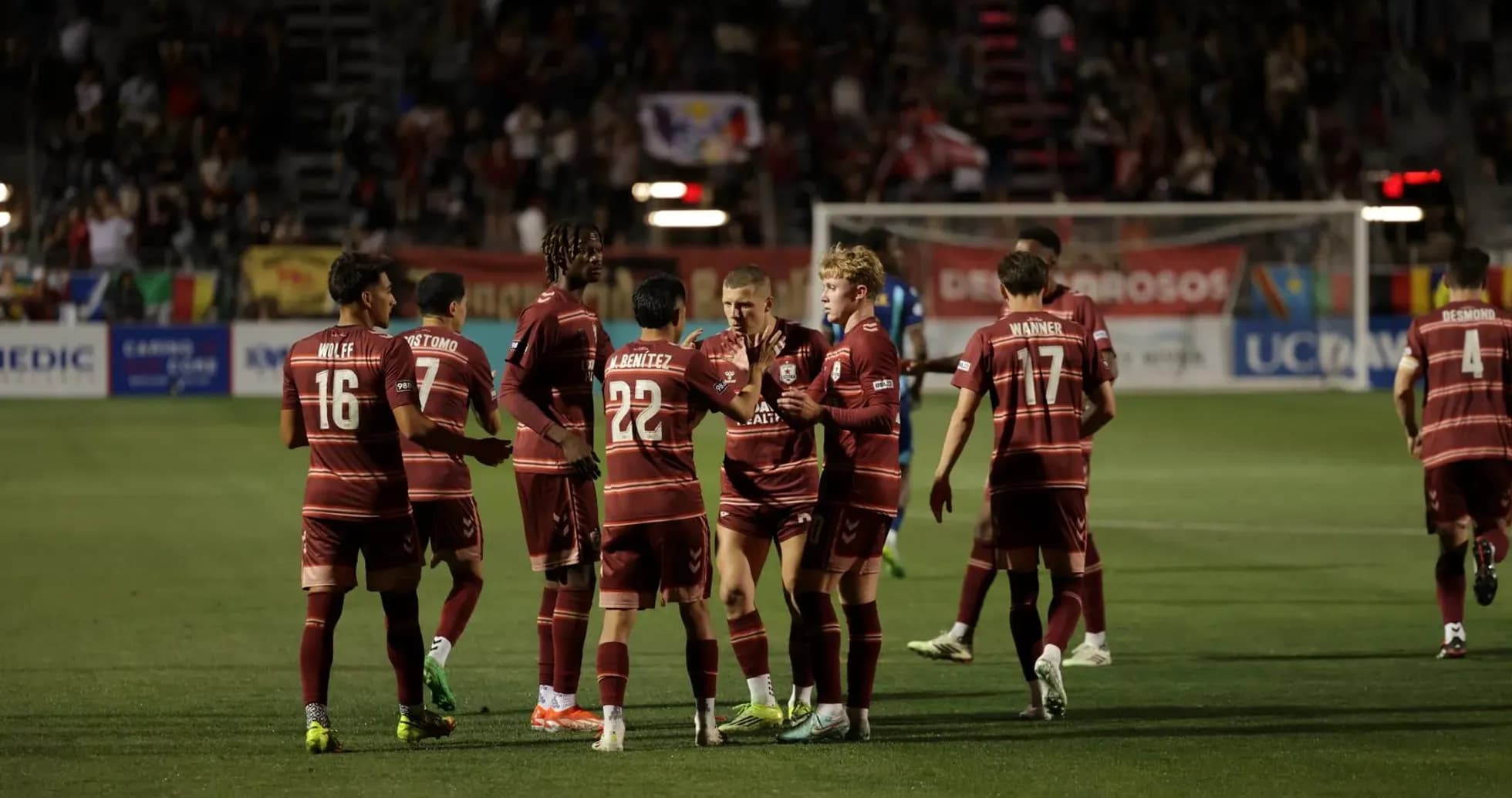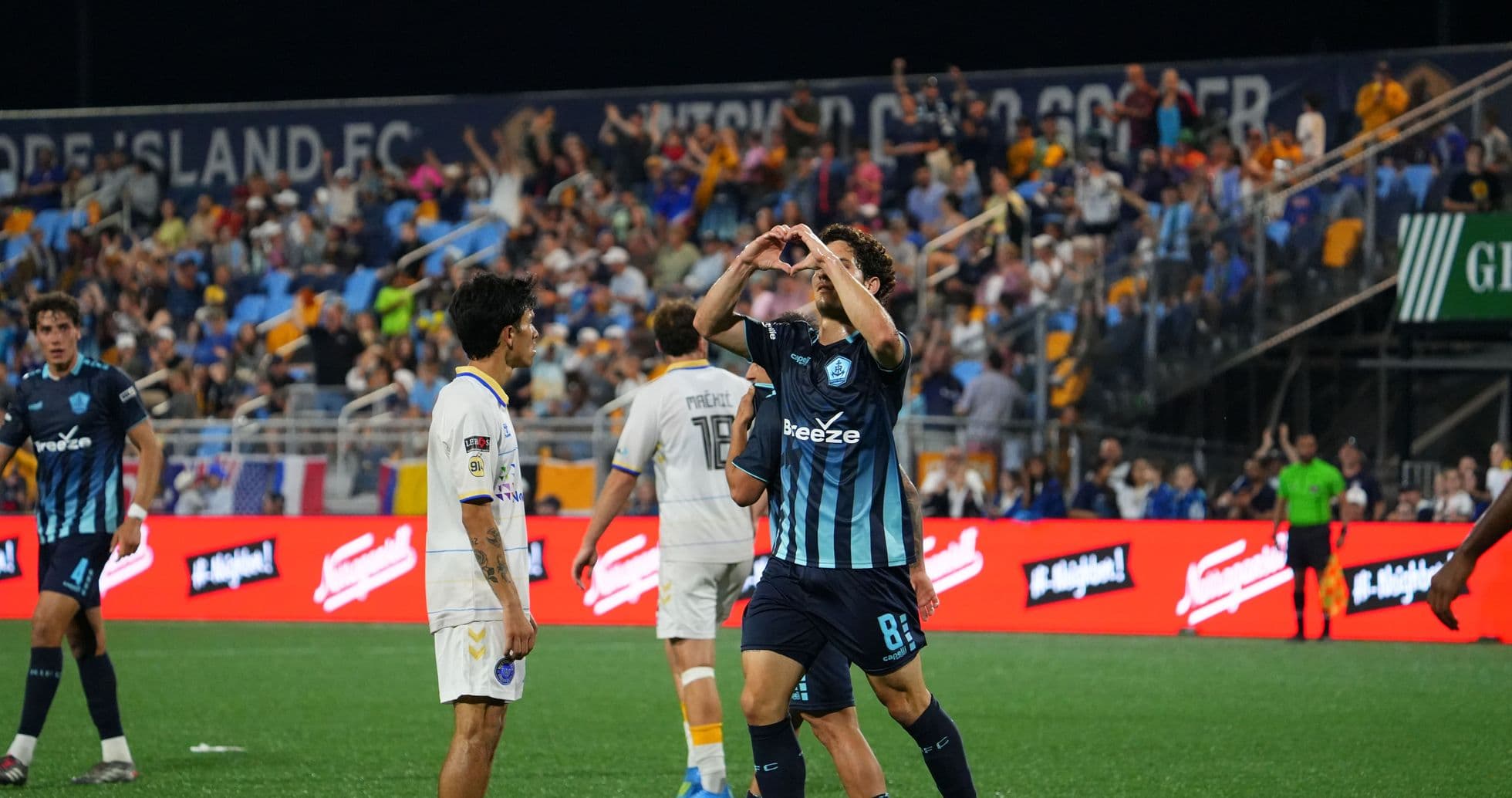
Rhode Island Dominates Westchester SC in USL League One Cup Match
Under the lights at Centreville Bank Stadium, Rhode Island’s 3–0 win over Westchester SC felt less like a routine group-stage result and more like a statement about where these two projects stand in the USL League One Cup ecosystem.
Heading into this game, the numbers already hinted at divergent identities. Rhode Island were a compact, efficient side: in total this campaign they had scored 5 goals and conceded just 2 across 3 matches, with a total goals-for average of 1.7 and a total goals-against average of 0.7. Westchester, by contrast, were chaos merchants: in total they had 5 goals for and 8 against, a total goals-for average of 1.7 but a total goals-against average of 2.7, and no clean sheets. On their travels, that fragility was even starker: away they had conceded 3 goals with an away average of 3.0 against, failing to score at all away so far.
The final scoreline simply sharpened those trends. Rhode Island’s group-stage table line now reads 3 matches, 2 wins, 1 loss, 5 points, with a goal difference of +3 built on 8 goals for and 5 against. Westchester sit further back with 3 matches, 1 win, 1 draw, 2 losses, 2 points and a goal difference of -3 (9 scored, 12 conceded). One side is learning how to manage games; the other is still learning how not to lose them.
Tactical Analysis
Tactically, Khano Smith’s Rhode Island were built around control of central zones and a clear spine. Koke Vegas in goal anchors a back line that, while not explicitly mapped out in the data, practically announces itself: N. Scardina, K. Yao, F. Nodarse and A. Sanchez form a defensive core that has already produced 2 clean sheets in total this campaign. At home they had conceded 0 goals heading into this fixture, and that defensive assurance carried straight into another shutout.
In front of them, H. Bacharach Capdevila and A. Shapiro-Thompson give Rhode Island a double function: screening the back line and setting the rhythm. The presence of C. Holstad and N. Fuson around them provides vertical running and width, while A. Rodriguez in the No. 10 shirt and J. Williams up front give the side a clear attacking reference. The balance is notable: in total they have never failed to score in this competition, with 0 total matches failing to find the net, yet they have kept 2 clean sheets. It is a squad constructed to dominate the middle third and then strike decisively.
Westchester’s structure under George Gjokaj is more open, and the numbers bear that out. At home they can trade punches – 5 goals for and 5 against, with a home goals-for average of 2.5 – but away, their attacking threat has evaporated. On their travels they had scored 0 and conceded 3 before this match, and a 3–0 defeat here extends that pattern of vulnerability. The back four of M. Jennings, T. Timchenko, C. Dickerson and J. Jimenez, shielded by S. Powder and A. Armas, simply hasn’t yet found the compactness required for knockout-level intensity, even in a group stage environment.
The “Hunter vs Shield” dynamic of this fixture was less about one individual scorer and more about collective tendencies: Rhode Island’s home attack, averaging 3.0 goals for at home, against a Westchester away defense conceding at an away average of 3.0. That intersection always threatened to tilt the game decisively toward the hosts, and the 3–0 full-time scoreline merely confirmed the statistical logic.
Midfield Dynamics
In the “Engine Room” battle, Rhode Island’s midfield trio – Bacharach Capdevila, Shapiro-Thompson and Holstad – had the advantage of a clear identity. Their side’s card profile shows a disciplined but assertive unit: in total, 50.00% of their yellow cards this campaign have come between 46–60 minutes, another 50.00% between 91–105, suggesting a group that ramps up aggression at the start of each half and in closing phases without tipping into recklessness. Westchester, by contrast, have seen 50.00% of their yellows between 31–45 minutes and 50.00% between 76–90, a pattern that points to stress under pressure just before and just after the interval.
There were no major absences flagged for either squad, so this was close to full-strength versus full-strength. Rhode Island’s bench – with options like J. Castro, D. Rovira, G. Stoneman, Leo Afonso, K. Vang, Z. Herivaux and J. Peters – offered Smith the luxury of reinforcing any line without breaking the structure. Westchester’s substitutes, including M. Molina, D. Guezen, B. Pierre, D. Burko, D. Bouman, K. Blommestijn and C. McGlynn, give Gjokaj a range of profiles, but the challenge is knitting them into a coherent in-game plan once the first-choice unit starts to fray.
Statistical Prognosis
Following this result, the statistical prognosis for both squads hardens. Rhode Island look like a side whose underlying metrics will continue to support positive results. Their total goals-for average of 1.7, combined with a total goals-against average of 0.7 and 2 clean sheets in 3, points toward a team whose xG and defensive solidity are aligned: they do not need to create a flood of chances because they concede so few high-quality ones.
Westchester, meanwhile, are living on a knife-edge. A total goals-for average of 1.7 is respectable, but when set against a total goals-against average of 2.7 and 0 clean sheets, it suggests that even decent attacking xG returns are being undermined by a porous back line. Their away record – 0 goals scored, 3 conceded in total – underlines a tactical problem: the pressing and defensive distances that might work at home are being exposed on their travels.
In narrative terms, Rhode Island emerge from this fixture as a quietly ruthless group-stage operator: structured, disciplined, and increasingly confident at Centreville Bank Stadium. Westchester leave with questions about their defensive identity and how they can translate home verve into away resilience. In a competition where small margins and group-stage arithmetic matter, those contrasting trajectories could define the rest of their USL League One Cup campaigns.