Orlando City II Dominates Inter Miami II in 4–1 Victory
Osceola County Stadium under the lights, group-stage pressure in MLS Next Pro, and two reserve sides heading in very different directions. Orlando City II and Inter Miami II arrived at this fixture carrying contrasting seasonal DNA, and the 4–1 full-time scoreline only crystallized trends that had been building for weeks.
Orlando City II Overview
Heading into this game, Orlando City II were a quietly dangerous force in the Eastern Conference. Their standing data shows them 7th in the conference with 19 points from 11 matches, built entirely on wins and losses – no draws, no half-measures. Overall they had scored 23 and conceded 21, for a goal difference of +2, and their home profile was even sharper: 15 goals for and 13 against across 6 matches. The more detailed season statistics push those numbers a little higher in total volume – 26 goals for and 22 against overall – but the pattern is the same: this is a side that lives in high-event football.
Attacking Averages
The attacking averages are telling. At home, Orlando City II were producing 2.8 goals per match, with 2.3 conceded. On their travels they were at 1.8 scored and 1.6 allowed, for an overall average of 2.4 goals scored and 2.0 conceded. This is a team that plays open, trusts its front line, and accepts the risk at the back. The fact that they had only 1 clean sheet in total and had failed to score just once all season underscores that identity.
Inter Miami II Overview
Inter Miami II, by contrast, came into Osceola County Stadium as a side in crisis. In the Eastern Conference table they sat 16th, with only 4 points from 11 matches and a brutal goal difference of -20: 12 scored and 32 conceded overall. The extended stats deepen the concern: 13 goals for, 34 against, which works out to just 1.2 goals scored per match and a punishing 3.1 conceded. At home they were allowing 3.0 per game, away 3.2; wherever they played, the defensive dam kept breaking.
Traveling Performance
On their travels, Inter Miami II had managed 7 goals across 6 matches – an average of 1.3 – but had shipped 18, the same 3.0-plus pattern. They had yet to keep a clean sheet anywhere and had failed to score in 3 of their 11 outings. The form line “LLLLWLLLLLL” paints a picture of a team that might find the net occasionally, but rarely controls the flow of a match or survives sustained pressure.
Lineups and Tactical Approaches
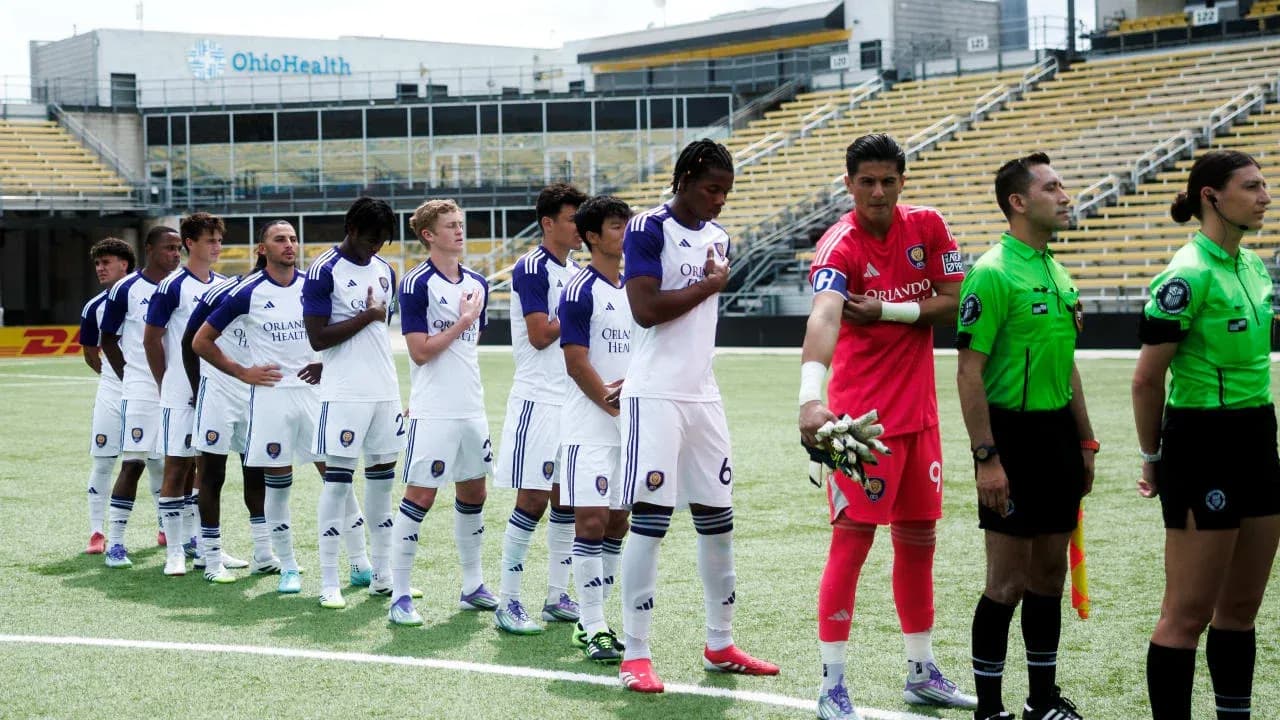
Within that broader context, the lineups reveal how each coach tried to navigate the tactical voids and structural issues. Orlando City II named a youthful, energetic XI: T. Himes, Z. Taifi, N. Miller, C. Archange, T. Reid-Brown, I. Gomez, C. Guske, I. Haruna, Pedro Leao, B. Rhein and H. Sarajian. Without a listed formation, the names still suggest a balance of physicality and technical profiles across the spine – Guske and Gomez as likely pivots, Haruna and Pedro Leao providing vertical thrust, Rhein and Sarajian offering final-third craft.
Inter Miami II, under Raul Ledesma Cristian, leaned on M. Marin, T. Vorenkamp, D. Sumalla, N. Almeida, C. Abadia-Reda, T. Hall, A. Shaw, J. Convers, M. Saja, M. Acevedo and I. Zeltzer-Zubida. Again, the system is not specified, but the personnel list hints at a side still searching for a settled core, reflected in their chaotic defensive numbers.
Discipline and Timing Trends
Discipline and timing trends add another layer to the matchup. Orlando City II’s yellow-card distribution shows a notable spike between 31–45 minutes, with 27.27% of their cautions in that window, and another cluster between 16–30 minutes (22.73%). That suggests a team that can become aggressive as the first half wears on, often as they press to tilt matches in their favor. Inter Miami II, by contrast, accumulate their yellows later: 26.67% between 46–60 minutes and 23.33% between 76–90, with a further 20.00% in the 61–75 band. They also have a stark red-card pattern: 100.00% of their reds have arrived in the 76–90 window, the classic sign of a side fraying under late pressure.
Hunter vs Shield Dynamic
This is where the “Hunter vs Shield” dynamic becomes clear. Orlando City II, the hunter, bring a home attack averaging 2.8 goals per game into contact with an Inter Miami II defense conceding 3.2 per away outing. There is no real shield on the Miami side; the numbers point to a back line that bends early and breaks late. With Orlando yet to fail to score at home and Inter Miami II still searching for their first clean sheet anywhere, the pre-match probabilities were stacked heavily toward the hosts.
Engine Room Battle
In the “Engine Room” battle, Orlando’s midfield unit – anchored by figures like C. Guske and I. Gomez – faced a Miami group that, statistically, spends too much time chasing. Inter’s inability to control tempo is reflected in their biggest defeats: 1–5 at home, 4–1 away. When they lose, they tend to collapse by multiple goals, and their yellow-card spikes after the interval hint at a midfield that fouls to stem waves rather than setting the rhythm.
Penalties and Match Outcome
Penalties offered another small but telling edge. Orlando City II had earned 2 penalties in total and converted both, a 100.00% record with no misses. Inter Miami II had yet to win a spot kick. In a tight contest that might have mattered; in a 4–1, it simply reinforces Orlando’s attacking sharpness and box presence.
Following this result, the statistical prognosis feels almost inevitable in retrospect. A high-output, home-strong Orlando City II side met an Inter Miami II team conceding over three goals per match and struggling with late-game discipline. The 4–1 scoreline aligns with Orlando’s home attacking average and Miami’s away defensive fragility. Even without explicit xG figures, the shot and chance profile implied by these season-long trends points to Orlando creating the higher-quality opportunities and Inter Miami II once again overwhelmed by volume and pressure.
In narrative terms, this was less an upset and more a confirmation: Orlando City II continue to look like a volatile but potent playoff contender, while Inter Miami II remain trapped in a cycle where every defensive phase feels like a crisis waiting to happen.