New York City II Edges Chicago Fire II 2–1 in MLS Next Pro Clash
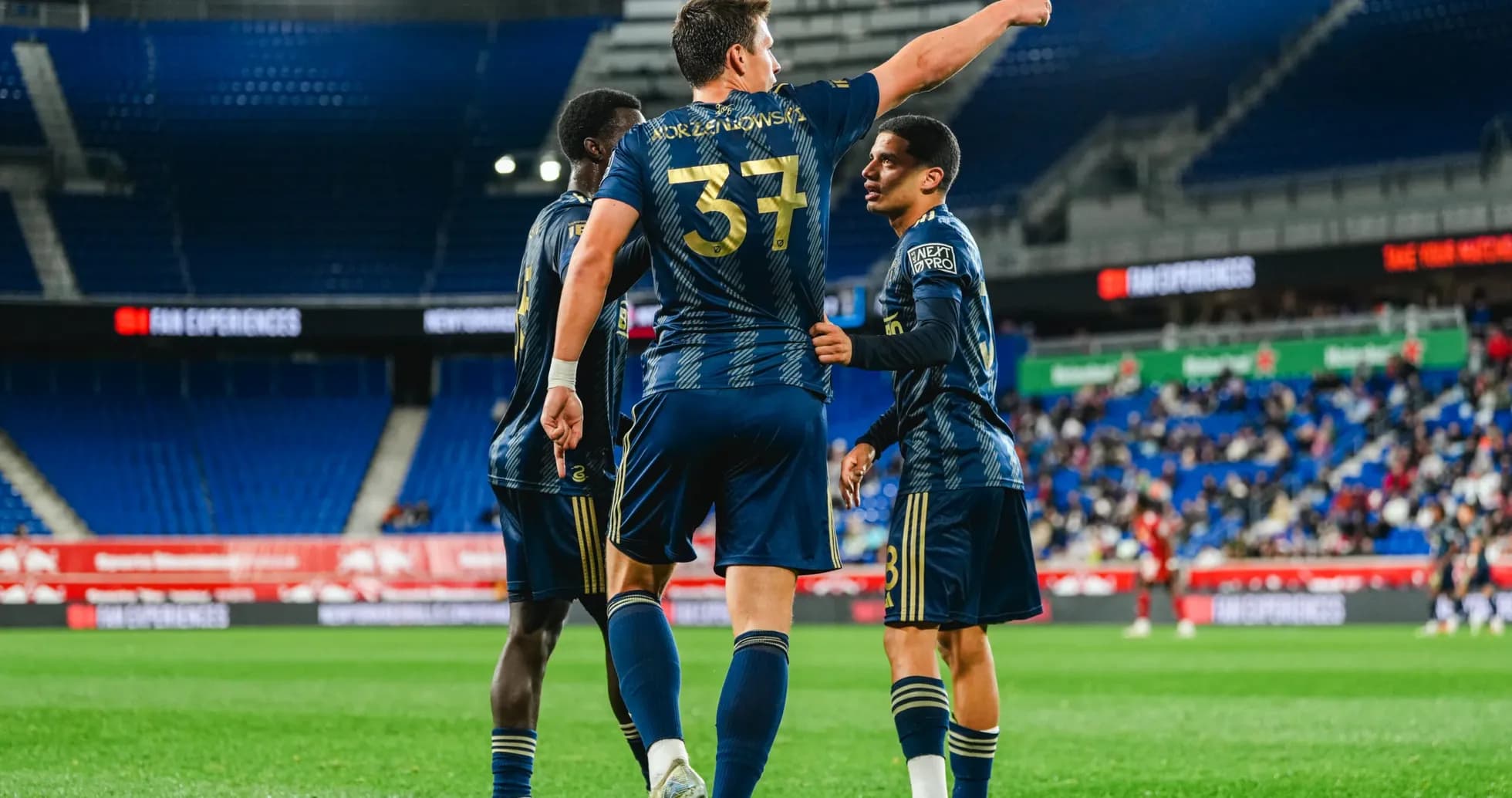
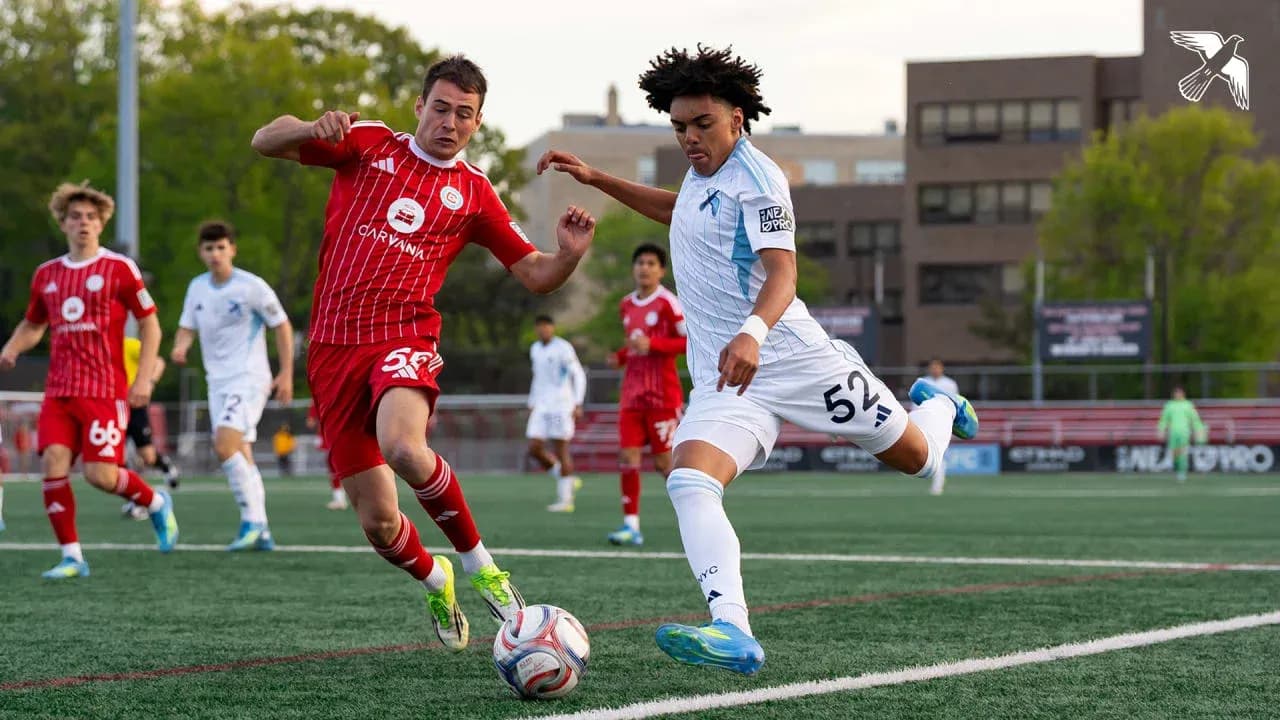
Belson Stadium under the New York lights staged a quietly pivotal MLS Next Pro group clash as New York City II edged Chicago Fire II 2–1, a result that subtly reshapes the early-season narrative for both sides. Following this result, it feels less like a routine group-stage fixture and more like a statement that the Northeast Division side intends to be more than a volatile, home-dependent outfit.
New York City II came into the night with a split personality. Overall this campaign they had taken 9 points from 7 matches, with a total goal difference of -5 from 6 goals scored and 11 conceded. The numbers were starkly different at Belson Stadium: at home they had 5 goals for and 8 against in 4 games, a record of 3 wins and 1 loss that suggested resilience but also chaos. On their travels, 3 defeats from 3, with just 1 goal scored and 3 conceded, underlined how important this home fixture was for stabilising their season.
Chicago Fire II, by contrast, arrived with a more balanced profile. Overall they had 10 points from 8 matches, with a total goal difference of -4, scoring 7 and conceding 11. The pattern was symmetrical: at home 4 goals for and 6 against; away 3 for and 5 against, with 2 wins and 2 defeats on their travels. A side capable of winning anywhere, but not yet capable of controlling a campaign.
First Half
The opening 45 minutes reflected those identities. New York City II, driven by a youthful, high-energy XI, leaned into their home strength. M. Learned anchored them from the back, while the outfield spine of K. Acito, J. Suchecki and K. Smith gave the team a compact, vertical platform. In front of them, the creative cluster of J. Shore and M. Carrizo linked to the front line of K. Pierre, H. Hvatum, S. Reid and A. Farnos, producing the kind of aggressive, front-foot football that has defined their home wins this season. The 1–0 half-time lead matched their pattern: at home they average 1.5 goals for per game, and they again found a way to tilt the match early.
Chicago Fire II’s starting group had a different feel: pragmatic, structured, and more balanced between lines. J. Nemo in goal was shielded by a back unit featuring D. Nigg, C. Cupps, J. Sandmeyer and H. Berg, with C. Nagle and O. Pineda offering the screening work in front. The attacking responsibility fell on D. Villanueva, R. Turdean, D. Hyte and D. Boltz, a quartet asked to turn a total attacking average of 1.3 goals per game into something more incisive on the road. Yet the first half exposed a familiar issue: while Chicago score 1.3 goals on their travels, they also concede 1.3 away, and the lack of control between their midfield and back line allowed New York’s runners to find pockets.
Second Half
If the first half belonged to the hosts, the second half became a test of game management. Chicago Fire II, a side that has already produced 4 wins without a single draw this campaign, pushed higher and accepted risk. Their season-long pattern of yellow cards spread relatively evenly from 16–90 minutes (with 20.00% of their bookings in each of the 31–45, 46–60, 61–75 and 76–90 ranges) hints at a team that keeps competing, sometimes recklessly, deep into matches. That competitive edge helped them claw back into the contest and find their goal, but it also opened channels for New York City II to hit back and restore the lead.
For New York City II, the disciplinary story is more volatile. Their yellow cards are heavily weighted late, with a pronounced surge in the 76–90 minute range at 35.71% and another 14.29% between 91–105, and they have already seen a red card in the 76–90 window this season. That late-game emotional spike is both a weapon and a risk. Against Chicago’s persistent, press-heavy style, it could have tipped the game into chaos; instead, the hosts held their nerve just enough to close out a 2–1 win.
Within that narrative, the “Hunter vs Shield” dynamic was less about one star striker and more about unit behaviour. New York City II’s attack, averaging 1.0 goals overall but 1.5 at home, targeted a Chicago defence that concedes 1.3 on their travels and 1.5 overall. The outcome – 2 goals for the hosts – aligned with those underlying trends. Chicago’s own offensive profile, 1.3 goals per game both home and away, translated into a single goal against a New York defence that leaks 2.0 at home and 1.7 overall. In that sense, New York slightly outperformed their usual attacking output while Chicago underperformed their scoring average.
The “Engine Room” battle was decided by the density and aggression of New York’s midfield band. With Shore and Carrizo knitting play and Pierre and Hvatum stretching the pitch, Chicago’s central duo of Nagle and Pineda were often asked to cover too much ground. The visitors’ bench options – O. Pratt, M. Clark, O. Gonzalez, V. Glyut, M. Napoe and E. Chavez – offered energy but not a structural reimagining; the game remained stretched, which suited the hosts’ transitional instincts.
From a statistical prognosis perspective, this felt like a meeting of two flawed but dangerous sides. New York City II still concede too many at home – 2.0 goals against per game is unsustainable for a team with a total goal difference of -5 – but their attacking ceiling at Belson Stadium is high enough to keep them competitive against most MLS Next Pro opposition. Chicago Fire II, with a total goals against figure of 12 and an average of 1.5 conceded per match, remain vulnerable whenever their press is broken.
If we map likely xG profiles onto these season trends, the 2–1 scoreline fits a contest where New York, fuelled by home confidence and volume of attacks, probably edged the quality of chances, while Chicago created enough to justify their single goal but not enough control to demand more. Following this result, New York City II look like a classic high-variance home side that can punch above their total numbers in front of their own supporters, while Chicago Fire II leave New York knowing that their current defensive structure is too porous to sustain a playoff push, no matter how often their attack finds a way on the road.