Paolo Maldini's Bold Move to Recruit Pep Guardiola for Italy
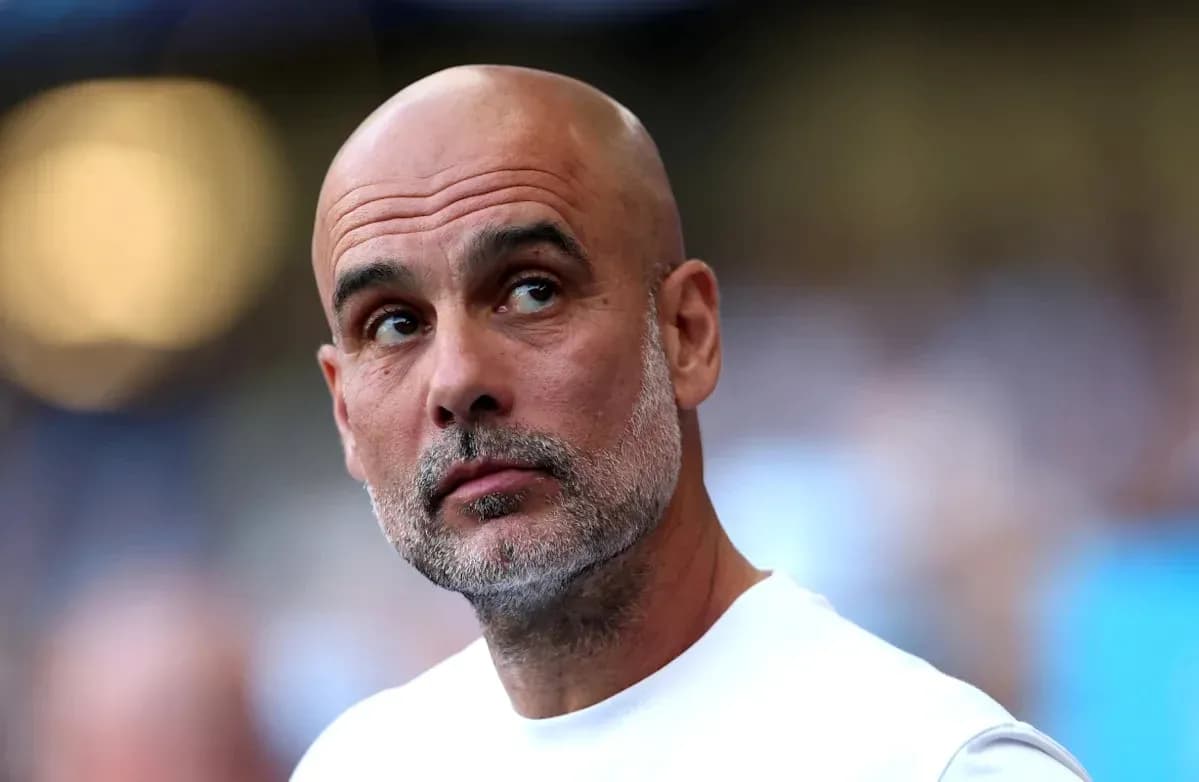
Paolo Maldini’s audacious bid to lure Pep Guardiola into the Italy dugout has moved from rumour to reality – and now the entire country is waiting on one man’s answer.
Sky Sport Italia first revealed on Monday that the new Italy technical director, accompanied by his trusted advisor Leonardo, flew to Barcelona over the weekend. Their mission was as bold as it sounds: put the Azzurri job on the table for one of the most influential coaches of his generation.
Italian outlets lined up on Tuesday to confirm the story and flesh out the stakes. Guardiola has listened. He has the proposal in front of him. And, crucially, he has not dismissed it out of hand.
A nation waits on Guardiola
The mood around Coverciano is cautious rather than euphoric. All major Italian sources converge on the same point: it is unlikely Guardiola will accept. Not only because of money, but because he has been clear about needing a pause.
Just days ago, the Spaniard spoke openly about wanting a break after a gruelling decade at Manchester City. The trophies, the demands, the relentless calendar – they have taken their toll. At 53, he wants time with his family, time with his 95-year-old father, time away from the touchline’s constant noise.
Those feelings, Italian papers stress, have not changed.
Yet the door is not shut.
La Repubblica reports that Guardiola has asked for time to properly weigh the offer and could deliver a definitive answer as early as tomorrow. That alone keeps hope alive in a country that has not stopped dreaming since Maldini boarded his flight.
More than a bench: a cultural revolution
What pulls at Guardiola is not just the prestige of the Italy job. It is the scale of the project.
Tuttosport underlines that the proposal goes far beyond managing the senior national team. Italy’s federation is offering him the chance to reshape an entire footballing culture – from the national side down to the grassroots. The comparison is obvious and deliberate: what Johan Cruyff did for Barcelona and, by extension, Spain.
A new tactical grammar. A new way of training, of teaching, of imagining the game.
For a coach obsessed with structure, detail and long-term legacy, that kind of canvas is hard to ignore. It is not simply a contract; it is an invitation to leave fingerprints on a footballing nation that has historically prided itself on a very different identity.
Maldini’s impossible mission?
Corriere della Sera does not sugar-coat it. The paper calls Maldini’s attempt to convince Guardiola “nearly impossible.” The gap between Italy’s ambition and Guardiola’s current desire for rest looks wide.
Yet Maldini is not approaching a stranger. Their relationship runs deep. Guardiola once dedicated his first Champions League triumph as a coach – the 2009 win over Manchester United with Barcelona at the Olimpico in Rome – to Maldini, a gesture that marked a bond of mutual respect between two icons of their eras.
That personal connection is one of Italy’s few real cards in this high-stakes game. Maldini knows it. So does Guardiola.
And so, while logic leans towards a refusal, neither Maldini nor Leonardo has abandoned the chase. Nor, judging by the tone of the Italian press, has the country.
Plan B: Pirlo, Mancini and the Conte question
Football, though, cannot wait forever on a dream.
If Guardiola turns down the proposal, the FIGC already has a shortlist. Two names dominate it: Andrea Pirlo and Roberto Mancini, with Antonio Conte hovering in the background.
According to Gazzetta, Pirlo currently sits in pole position should Guardiola say no. His profile fits a certain vision: a modern thinker, a former Azzurri leader, and a coach whose ideas still feel at the beginning of their journey.
Corriere dello Sport, however, points in another direction, indicating Mancini as the primary candidate in the event of a rejection from Guardiola. Mancini, of course, knows the national team environment and the pressure that comes with it. His candidacy would bring a different kind of continuity and experience.
Conte’s name lingers, powerful but distant, a reminder that Italy can always turn to a serial competitor if the project shifts towards short-term steel rather than long-term revolution.
For now, though, everything hangs on Guardiola’s answer. One word from Barcelona will decide whether Italy embarks on the most radical coaching experiment in its modern history or returns to more familiar hands to shape its future.