Liverpool's Role in the Exploding Transfer Market
While the game's superstars scrap for a world title across the Atlantic, the real arms race in English football is unfolding in boardrooms and WhatsApp groups, not on pitches. No tackles. No shots. Just numbers that make your eyes water.
On Wednesday, that race lurched into another gear.
Tottenham Hotspur have agreed a deal to sign Newcastle United midfielder Sandro Tonali for a basic £92.5million, with a further £7.5m in achievable add-ons. A staggering fee in isolation. In this window, it barely lasts a news cycle.
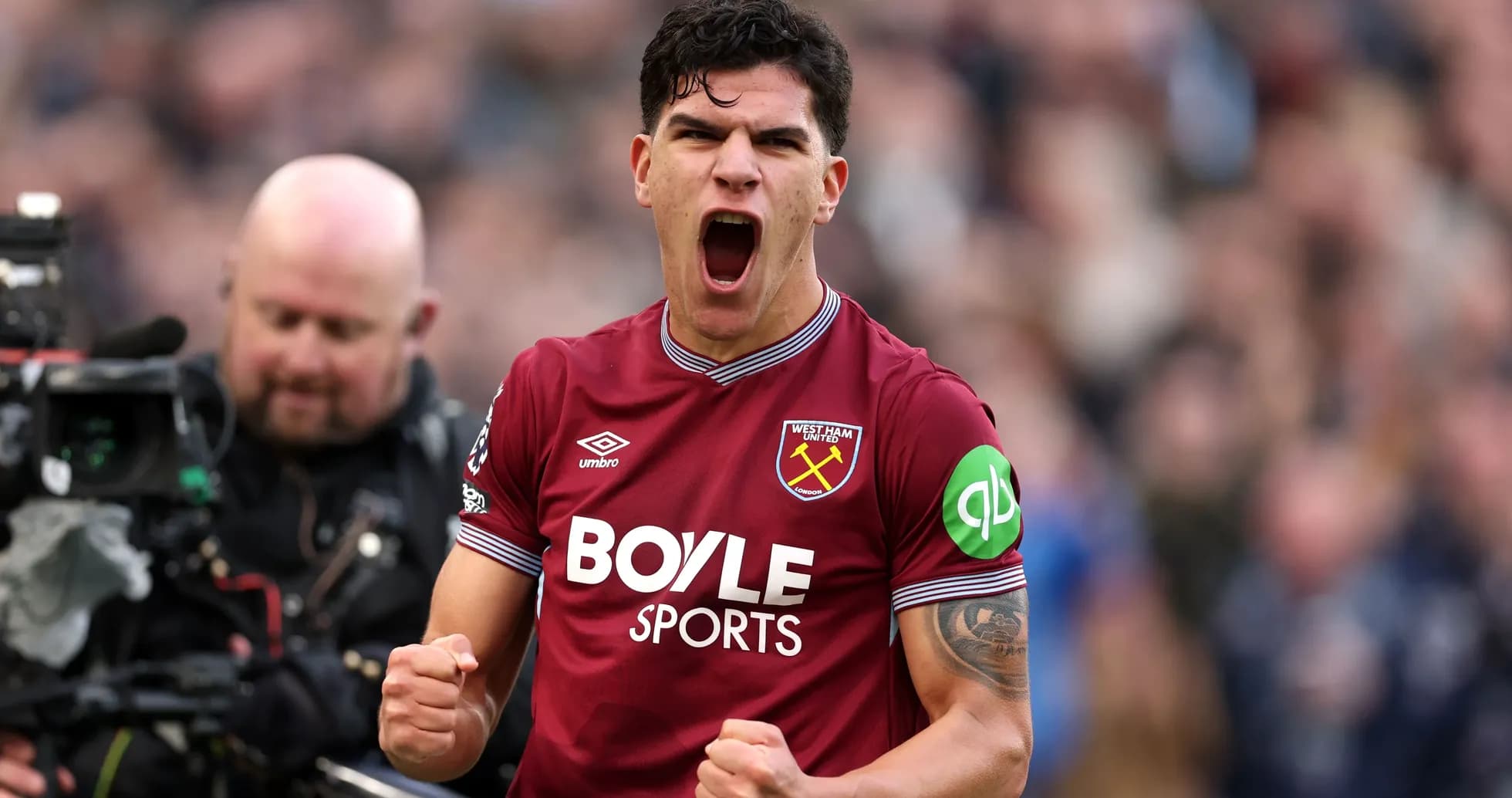
Hours earlier, Spurs had already broken their own transfer record by confirming the £85m arrival of West Ham United midfielder Mateus Fernandes. A landmark signing, trumpeted as a new era, now set to be eclipsed almost immediately by Tonali’s move once it goes through.
Then came the real jolt. Manchester City’s agreement to sign Nottingham Forest midfielder Elliot Anderson for £116m. A talented player, no doubt. But £116m for a midfielder who, in a different era, might have been a shrewd £30m pick-up?
At that point, the question almost asks itself: what on earth is happening to the transfer market?
Prices rise. That is the nature of the business. What £20m could buy a decade ago barely gets you a promising squad player now. Clubs accept that. Agents bank on it.
This, though, feels like something else. The scale of the fees, and the profile of the clubs throwing them around, is starting to warp the landscape.
And Liverpool, who pride themselves on precision and value in the market, are right in the middle of it – and not just as horrified onlookers. They helped light the fuse.
Last summer, Liverpool tore up their own rulebook. They spent £116m on Florian Wirtz, then went even bigger with a £125m deal for Alexander Isak. Two elite talents, two statements of intent, and a combined outlay that would once have sounded like fantasy.
The numbers were softened by more than £200m in sales, and Arsenal – the eventual champions – actually posted the highest net spend in the Premier League. That doesn’t change the headline figure. Liverpool poured almost £450m into one window, more than any club in Premier League history has ever committed in a single summer.
Those deals did more than reshape Jürgen Klopp’s squad. They shifted the benchmark. When Liverpool pay nine figures for a forward and go beyond £100m for a creative midfielder, the rest of the league takes note. Selling clubs adjust their calculators. Agents adjust their expectations. Suddenly, Liverpool’s chequebook becomes the reference point.
Inside Anfield, valuations are often built on comparison. If a player of similar age, profile and contract situation moves for a certain fee, Liverpool expect to be in that ballpark when they sell. Curtis Jones is the current example. He is into the final 12 months of his deal, but Liverpool still want more than £30m. Why? Because they have watched other players of his age and level, with similar contractual leverage, move for that kind of money or more.
It is not a radical stance. Every club does it. The problem is that the “going rate” for good, but not yet great, players is now being dragged into the stratosphere. When solid Premier League operators are changing hands for sums that once belonged only to Ballon d’Or contenders, the base price for any serious target rockets. The very best become almost unreachable.
No surprise, then, that Paris Saint-Germain have taken one look at the chaos and slapped a nine-figure valuation on Bradley Barcola. RB Leipzig, meanwhile, barely blinked when Liverpool tested their resolve with an £86m move for Yan Diomande. The German club could resist, and did, even before the Ivorian winger was reported to favour a move to PSG.
This is the market Liverpool now have to navigate. Fenway Sports Group have long worn their transfer nous as a badge of honour: the ability to squeeze every last pound out of a deal, to spot the opportunity others miss. The £34.5m move for Spain international winger Victor Munoz from Osasuna last month was straight out of that playbook, triggered via a release clause before anyone else could move.
They need that edge more than ever. Despite last summer’s explosion of spending, Liverpool still cannot match the raw financial muscle of some of their domestic rivals. State-backed projects and deep-pocketed owners can absorb mistakes and indulge whims. Liverpool cannot.
Andoni Iraola’s squad still has obvious gaps. The club are only just getting going in this window, but the task is clear and unforgiving: they must recruit players who are close to the finished article, not just raw potential, in a market that now prices that kind of quality at eye-watering levels. It goes some way to explaining why the club are leaning towards a younger age profile in their targets. Younger players carry resale value. They offer upside. They fit the model.
The catch is obvious. Everyone else has seen the same thing. Young, high-ceiling players are no longer bargains tucked away in mid-table squads or smaller European leagues. They are premium assets, guarded fiercely and valued accordingly.
So the spiral continues. Each big move – Tonali to Spurs, Fernandes before him, Anderson to City – nudges the numbers higher. Each nine-figure valuation from PSG or refusal from Leipzig reinforces the new reality.
Liverpool helped set the tone last summer. Now they, like everyone else, are trapped inside the echo. If they want the best, they will have to pay for it. Top dollar. And then some.