Liverpool's Strategic Investment: Bezos and Mittal Join Forces
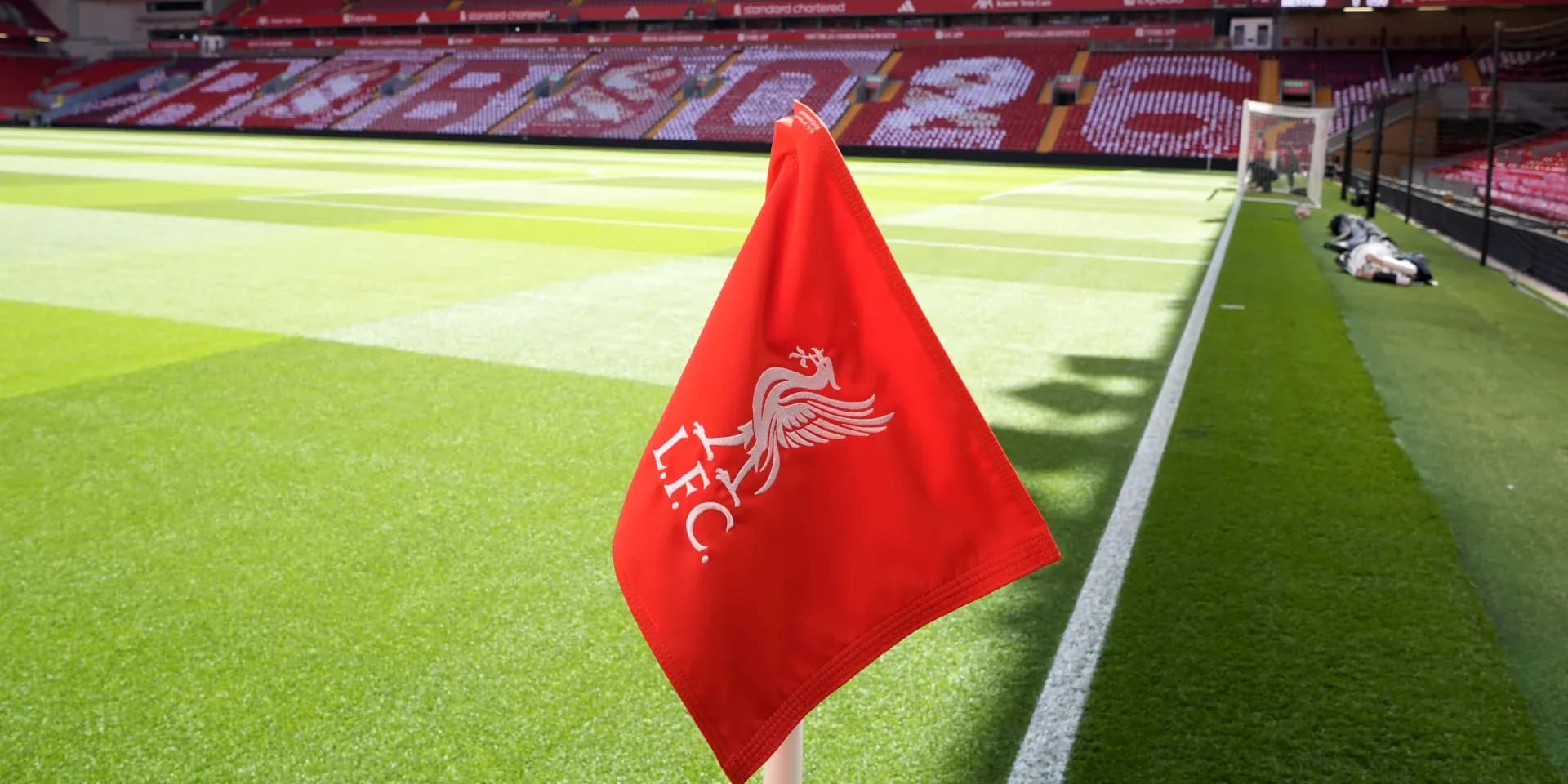
Liverpool, one of football’s great global institutions, is once again at the centre of a boardroom story that stretches far beyond Anfield and the Premier League.
A consortium led by former Queens Park Rangers co-owner Amit Bhatia, and backed by the family of steel magnate Lakshmi Mittal, is in advanced talks over a 30 per cent stake in the club, a slice of Liverpool valued at around £1.35 billion according to the Daily Mail. That figure pins the overall valuation of the club at just over £4bn – heavyweight territory, but very much in line with where elite football now lives.
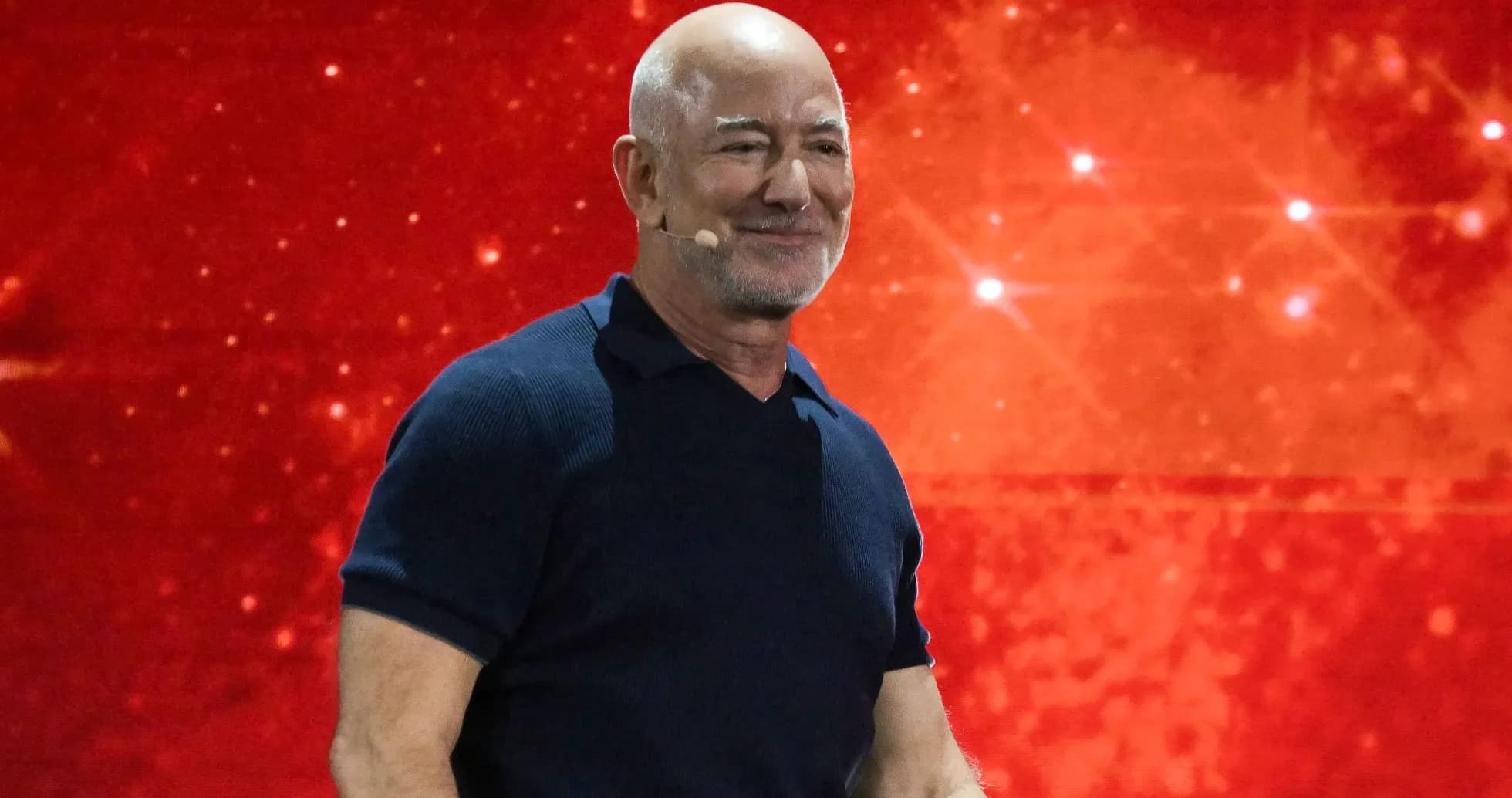
And then there’s the name that changes the temperature of any conversation: Jeff Bezos.
The Amazon founder, with a reported net worth of £192bn ($257bn), is said to be interested in joining the group to reinforce the bid. Fenway Sports Group (FSG), Liverpool’s owners since 2010, have confirmed the approach, with a spokesperson acknowledging that “an investment consortium led, managed, and represented by Amit Bhatia has expressed interest in making a strategic minority investment in Liverpool Football Club.”
This is not a takeover. It is a power play of a different kind.
FSG cash in, without letting go
Football finance expert Kieran Maguire believes the proposed deal is exactly the sort of move FSG have built their reputation on: calculated, lucrative, and carefully controlled.
“As far as the potential Liverpool investment is concerned, it looks like it's going to be up to 30 per cent or £1.3bn,” Maguire told the Daily Mail, noting that the implied £4bn-plus valuation “is broadly in line with expectations.”
The crucial detail sits in the shareholding structure. FSG would still retain around 60 per cent of the club, keeping them firmly in charge of strategy, recruitment and the direction of the project on and off the pitch.
“From FSG's point of view, it's a super smart piece of business,” Maguire said. “Yes, they have sold part of the club before but this will ensure they still own a controlling stake of around 60 per cent.
“So in terms of the long-term strategy of the club and the individual transfer windows and recruitment issues, it is still FSG's decisions that are being made. If they are selling 30 per cent, that money goes to FSG not Liverpool, so there is no physical impact upon the club's coffers.”
In other words, this is an ownership-level cash injection, not an immediate war chest for the manager. The club’s balance sheet does not suddenly swell with £1.35bn. FSG’s does.
The Bezos and Mittal effect
Where the story becomes more intriguing is in what the new names bring, beyond the headline numbers.
Maguire pointed to the financial muscle and corporate reach of figures such as Bezos and the Mittal family as a potential game-changer in how Liverpool can operate in the medium to long term.
“If the club is looking to borrow money at a future date for whatever circumstances and you are owned by Mittal's son-in-law and Bezos, they will be in a position to lend money on an interest-free basis which can only help in terms of cash flow,” he explained.
Interest-free lending from backers of that scale would hand Liverpool a powerful tool. Stadium projects, infrastructure upgrades, strategic investments in technology or global academies – all become easier to fund when the cost of borrowing is effectively stripped out.
Then comes the commercial side, where Bezos’ presence in particular opens doors few others can.
“Also, having a potential partner of the magnitude of Bezos does mean there is the opportunity for synergies,” Maguire said. “If Amazon Prime want to increase their global influence, then one way could be to do a partnership with Liverpool, whether in terms of content or sponsorship.
“Liverpool goes out to the world and Amazon goes out to the world as well. As well out of the world, maybe! He is flying people into space after all.”
The logic is clear. Liverpool already sit among the most followed and marketable clubs on the planet. Amazon wants more live sport, more premium content, more subscription hooks in key territories. A deeper tie-up – whether through documentary series, streaming collaborations, or front-of-shirt deals – almost writes its own pitch deck.
Power, prestige and the next chapter
For FSG, this is the art of modern ownership: realise value without surrendering control, invite in capital without inviting in chaos. They keep the casting vote in the boardroom, while aligning themselves with some of the most powerful business figures on the planet.
For Liverpool, the questions move quickly to the football side. How aggressively will this new structure be leveraged? Will interest-free funding and global partnerships be used to keep pace with state-backed rivals and private equity-fuelled projects elsewhere in Europe? Or does this become another example of valuation soaring faster than spending on the pitch?
What is clear is that Liverpool, already a global powerhouse, are being courted by money and influence on an extraordinary scale. If Bhatia’s consortium, backed by the Mittal family and potentially Bezos, does secure that 30 per cent stake, the club’s next era will be shaped not just in the stands and on the touchline, but in boardrooms stretching from Boston to Seattle to the steel hubs of India.
Anfield has seen many revolutions on the grass. The next one might be written in the fine print of a £1.35bn deal.