Lionel Messi's Emotional Plea Amid Father's Health Crisis
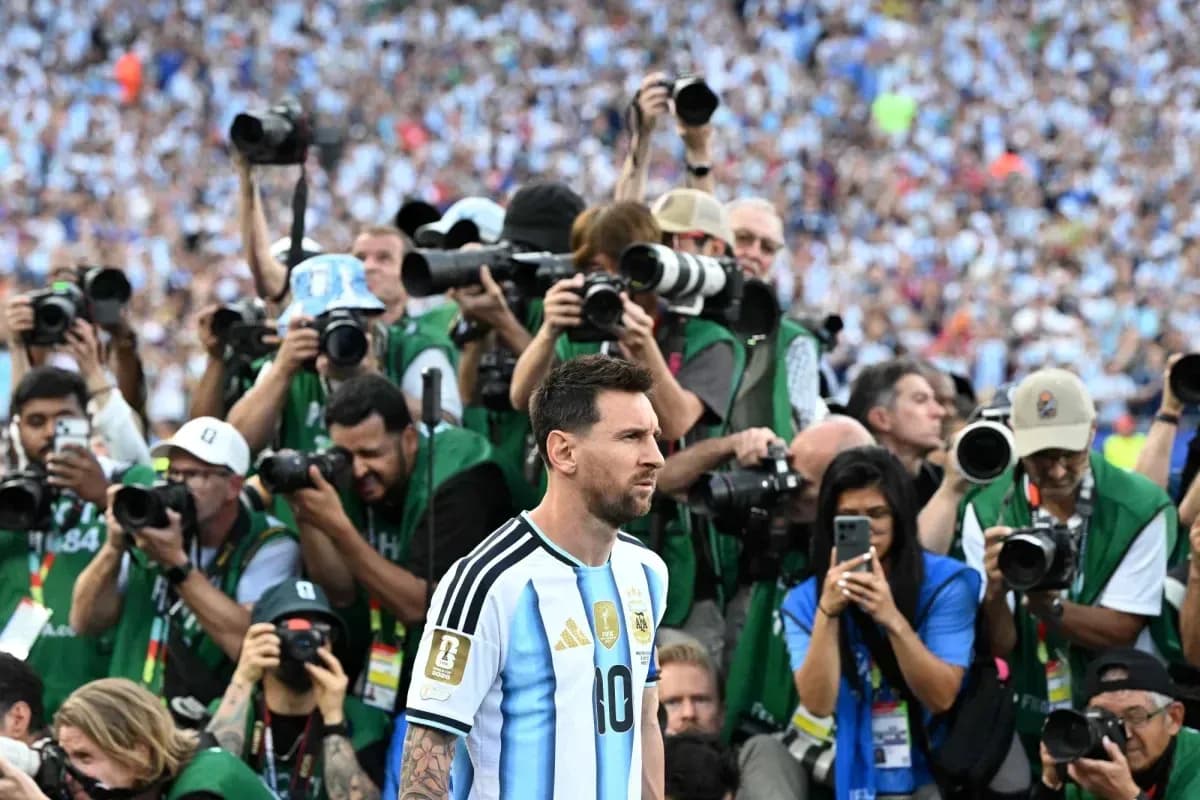
Lionel Messi wiped away his tears in Kansas City and asked the world to look anywhere but the scoreboard.
His father, Jorge, is in a hospital bed thousands of miles away.
On Thursday, as Argentina’s captain processed a hat-trick and yet another World Cup record, his family issued a stark, human plea. The 68-year-old Jorge Messi, they confirmed, is receiving medical treatment for an undisclosed illness and remains under observation.
“Jorge is going through a health situation,” the family said in a statement released by Messi’s media office. “He is currently under medical observation, recovering and progressing favorably within his current condition.”
They did not specify the illness. They did not offer a timeline. They did, however, ask for something football rarely grants: silence and restraint.
“At times like these, we ask for responsibility, prudence and humanity,” the statement continued. “A person’s health and the peace of mind of their loved ones should not be the subject of speculation or irresponsible media interest.”
The words landed on the same day that false reports of Jorge Messi’s death ricocheted around Argentina, turning private anguish into public chaos. The family moved quickly to shut them down, stressing that any further developments would come from them, and only them.
Messi’s tears, explained
Hours earlier, the world had been asking a different question: why was Messi crying?
He had just scored the first of his three goals in Argentina’s 3-0 win over Algeria in their World Cup opener, a strike that pulled him level with Miroslav Klose as the tournament’s all-time leading scorer on 16 goals. Yet the celebration was raw, almost unsettling. No swagger. Just a 38-year-old superstar overwhelmed.
“My tears after the first goal? I’ve had some tough days. It wasn’t related to soccer. And those feelings were because of that,” Messi said after the match. “I thank my teammates, the coaching staff and the delegation for helping me.”
The context now feels painfully clear. While he chases history on American soil, his father — the man who first believed, the man who built the scaffolding around his career — fights a private battle with his health.
Messi remains with the Argentina squad at their base camp in Kansas City as they prepare for Monday’s second group match against Austria in Dallas. The family, conscious of the spotlight and the noise, expressed “sincere gratitude for the outpouring of affection, respect and concern received” and asked again for space.
“We request that the privacy and confidentiality of Jorge and his entire family be respected during this process,” their statement said.
The architect behind the legend
Jorge Messi has never scored a World Cup goal, never lifted a trophy on a podium, never walked out to 60,000 people singing his name. Yet his fingerprints are all over one of the greatest careers the sport has ever seen.
He was the one who left Rosario with a slight, shy teenager and took him to Barcelona in the early 2000s, betting that La Masia would see what Newell’s Old Boys and others had doubted. He sat in offices and boardrooms, not terraces, but his decisions shaped the entire story.
Jorge negotiated his son’s contracts at Barcelona, then the seismic moves to Paris Saint-Germain and Inter Miami. He handled image rights, oversaw investments in real estate, hotels and restaurants, and served as agent, fixer and shield.
The partnership has not been without turbulence. In 2016, both father and son were convicted in Spain on tax evasion charges. They avoided prison because the sentence was under two years, but the case dragged their private financial world into the public domain and tested the family’s resolve under intense scrutiny.
Yet through the controversies and the trophies, the roles remained clear. Lionel Messi played. Jorge Messi protected the empire.
Now, as the son hunts a second World Cup crown and stretches records in the United States, the father lies in a clinic, the family closing ranks.
This time there are no negotiations, no clauses, no transfer sagas to control. Just a health fight and a simple request: let them live it in peace.