Lexington Triumphs Over Detroit City in USL League One Cup Shootout
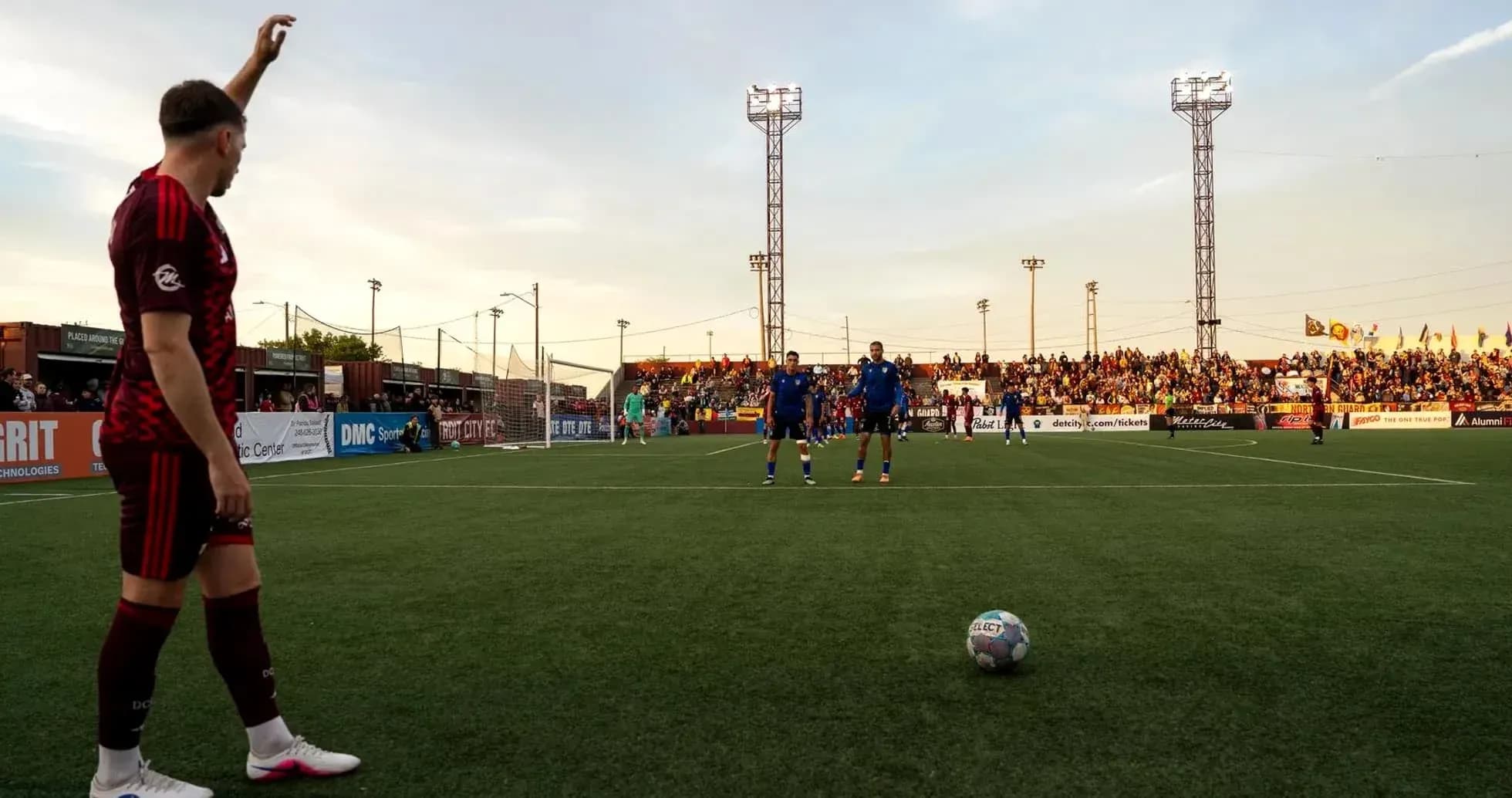
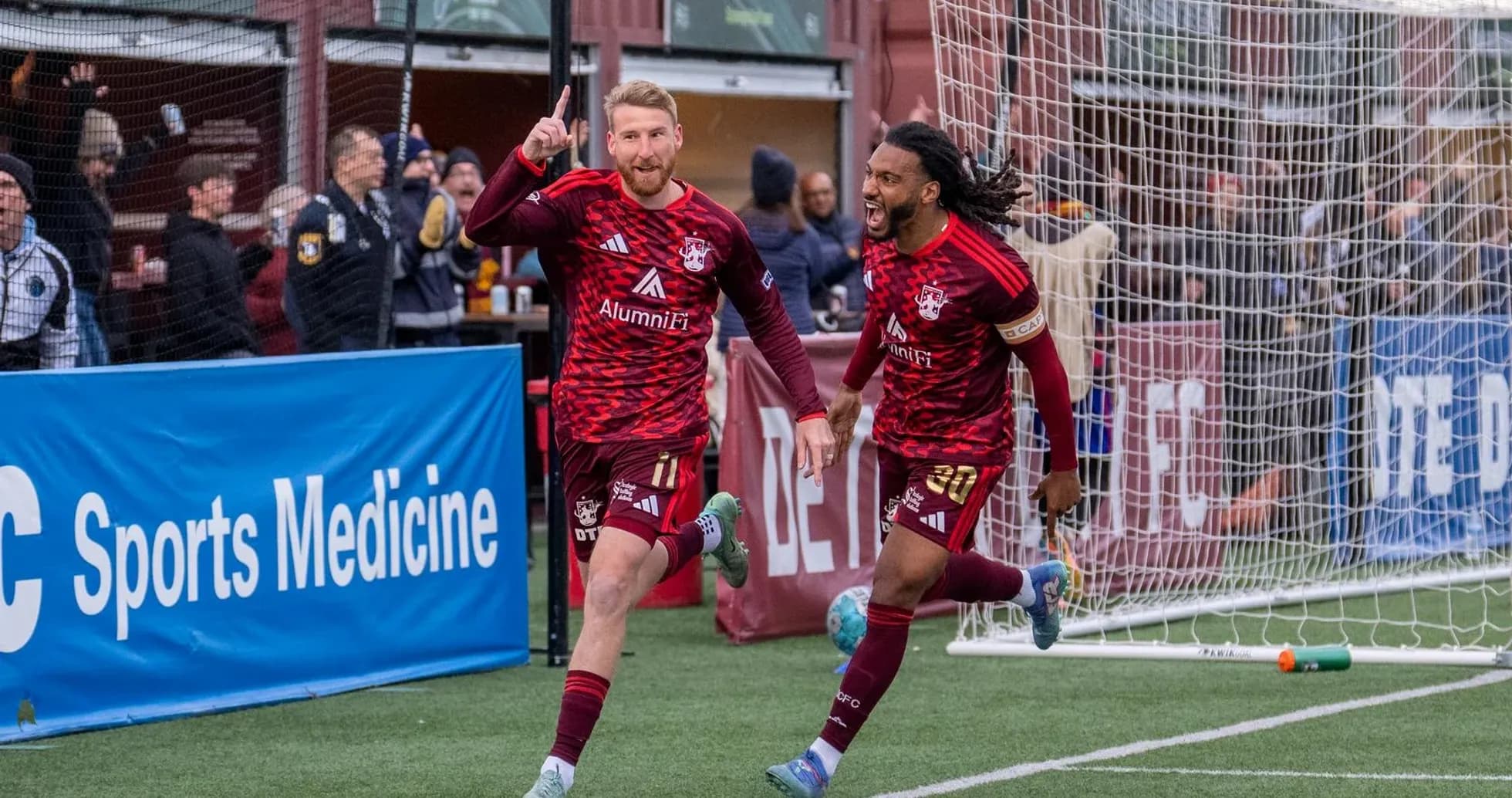
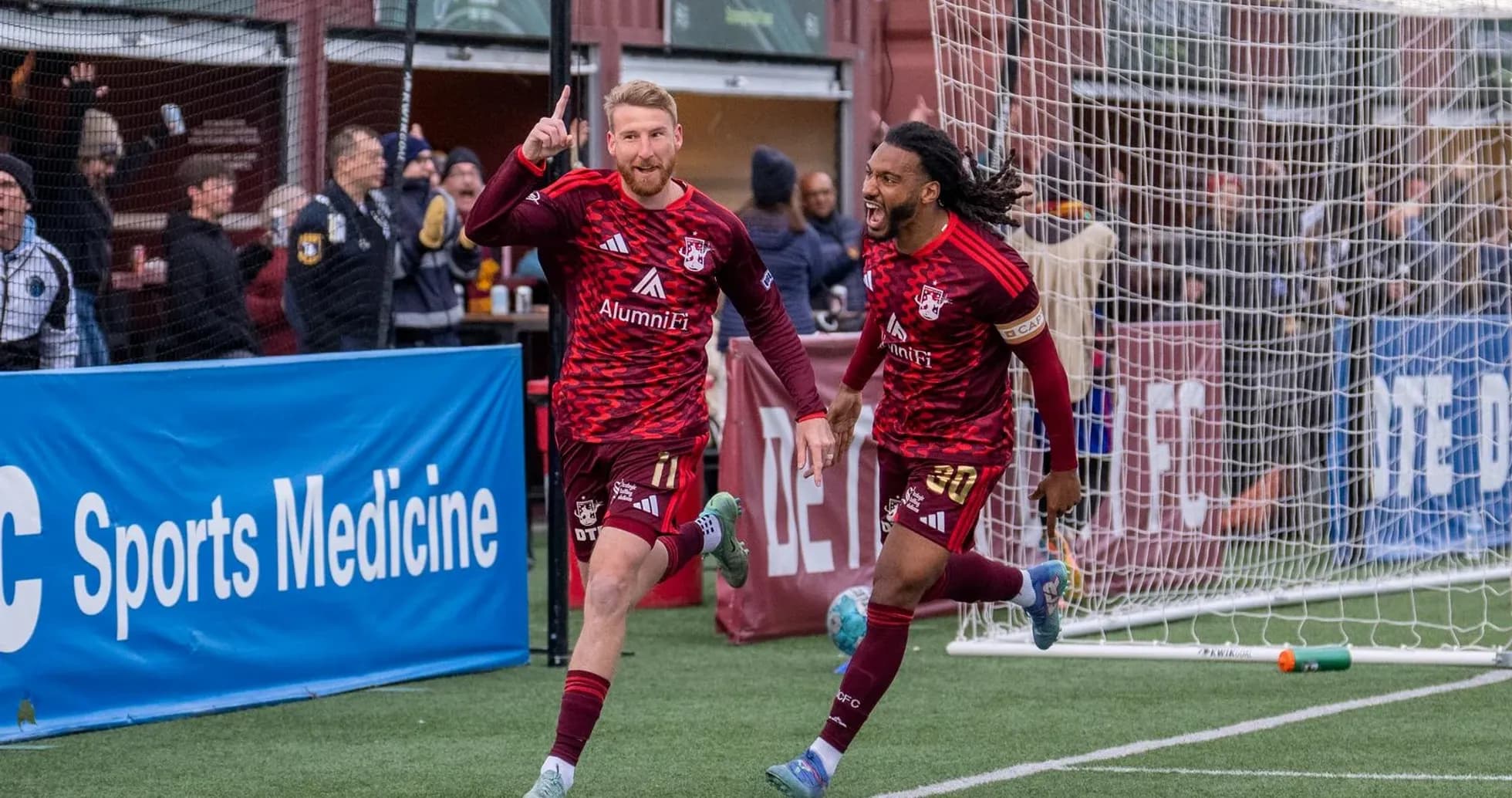
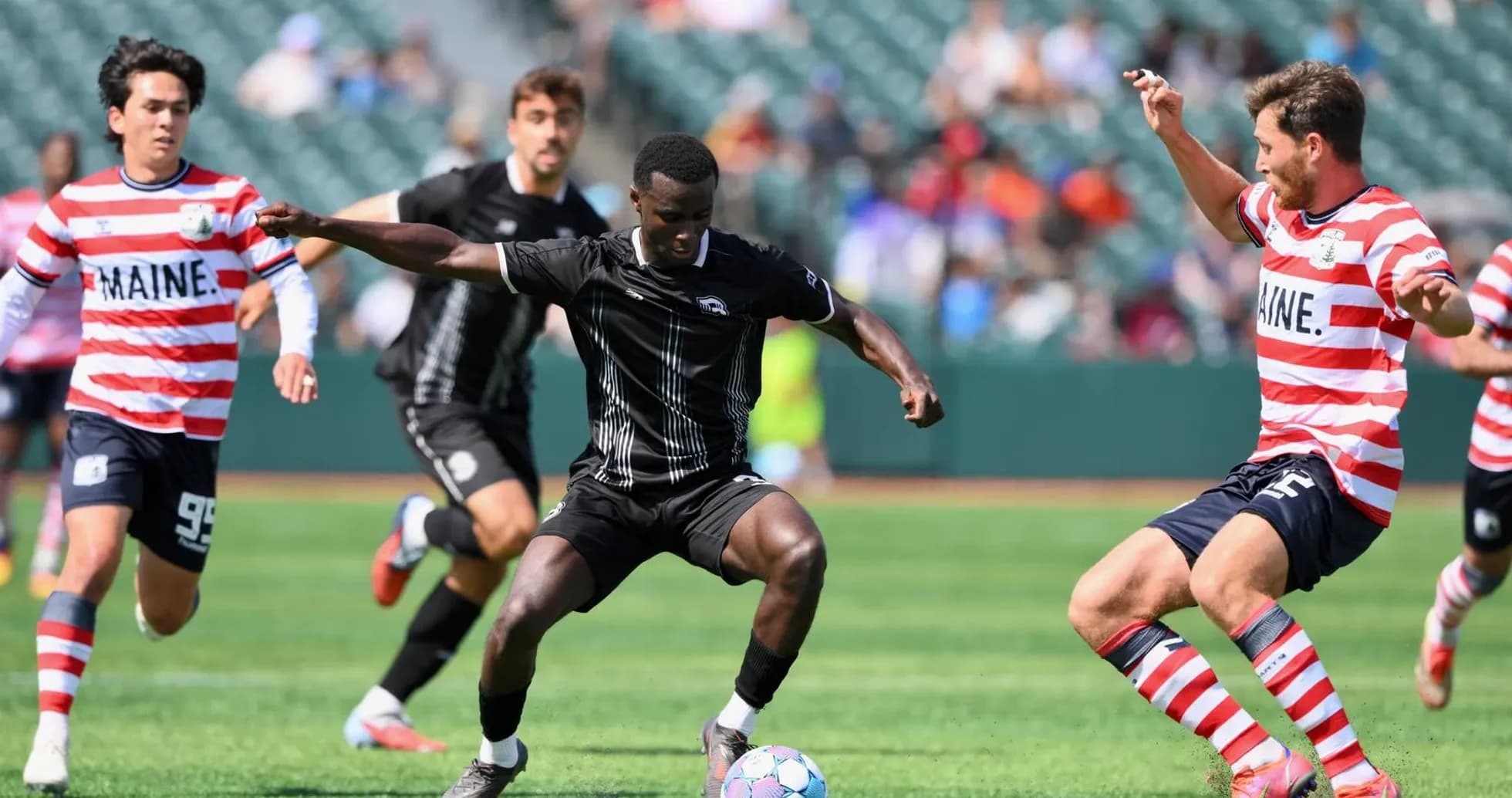
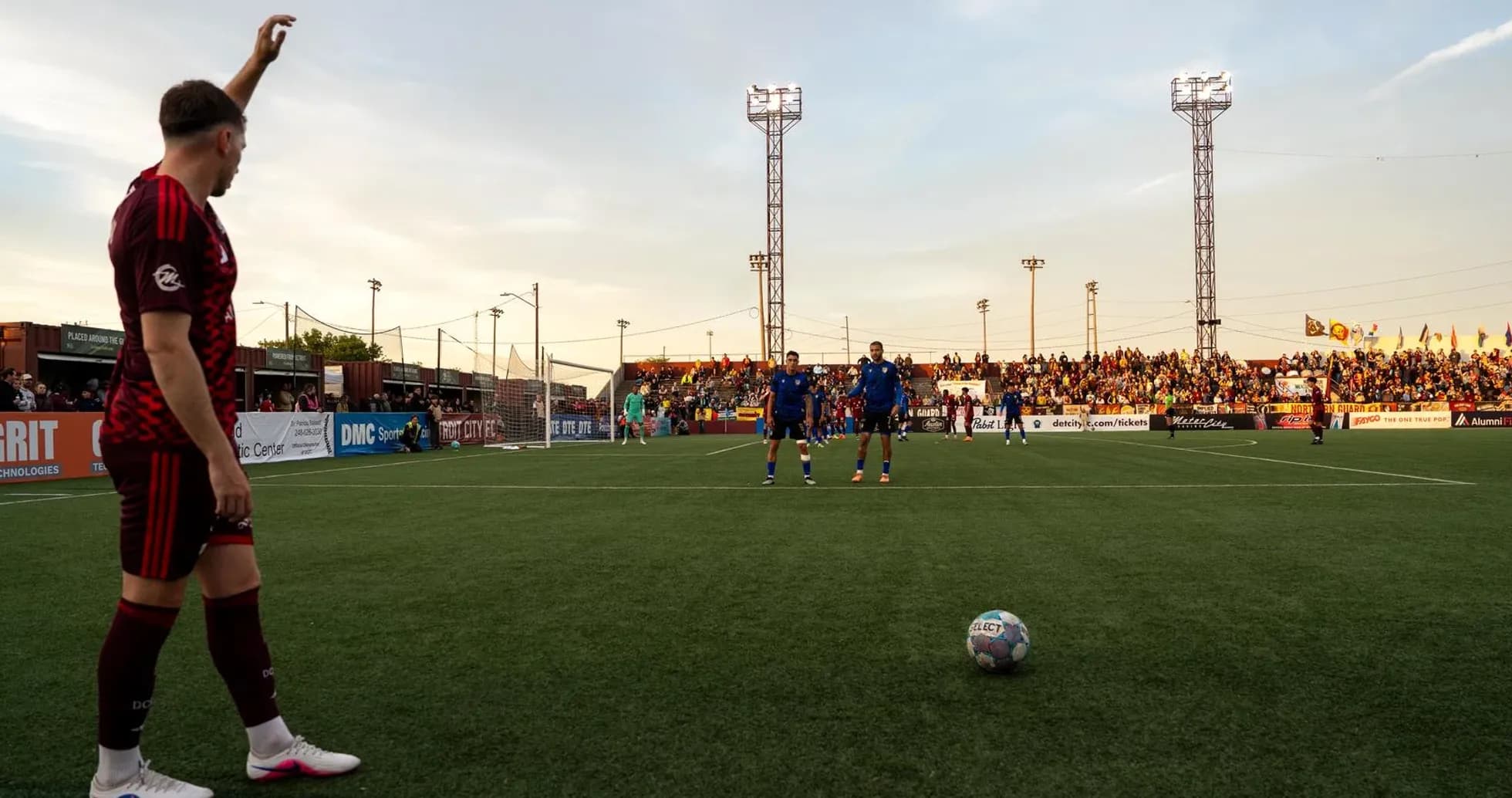
Under the lights at Keyworth Stadium, this USL League One Cup group-stage tie between Detroit City and Lexington became a study in contrasting identities and evolving temperaments. Over 120 minutes, a 1–1 draw gave way to a 3–1 Lexington triumph in the shootout, a result that both confirmed the visitors’ early-season momentum and exposed the fragile edges of a Detroit side still defining itself in this competition.
I. The Big Picture – Group 4 tension at Keyworth
Heading into this game, the standings painted a clear hierarchy. Detroit City sat 5th in Group 4 with 4 points and a goal difference of -1, built on 3 goals for and 4 against overall. Their USL League One Cup profile was one of balance tilting toward caution: in total this campaign they had played 2 fixtures, winning 1 and losing 1, with 2 goals scored and 2 conceded. At home, they had been beaten 1–2; on their travels, they had ground out a 1–0 victory.
Lexington arrived as the group’s early standard-bearer. Ranked 3rd with 5 points and a goal difference of 4, they had scored 8 and conceded 4 overall in the group table. Their broader Cup statistics underlined an assertive, front-foot team: in total this campaign they had played 2 matches, winning both, with 6 goals scored and 3 conceded. At home, they averaged 4.0 goals for and 2.0 against; away, they still carried a sharp edge with 2.0 goals for and 1.0 against on their travels.
The 1–1 scoreline after 120 minutes suggested parity, but the penalty shootout exposed the underlying narrative: Detroit’s reliance on structure and defensive discipline versus Lexington’s capacity to keep asking questions until an opponent breaks.
II. Tactical Voids and Discipline – Edges of control
There were no listed absences in the data, so both Danny Dichio and Masaki Hemmi could lean on their core groups. For Detroit, the spine was clear: C. Herrera in goal, a defensive line anchored by D. Amoo-Mensah and C. Montgomery, and a midfield built around the energy of R. Williams and the guile of Rafa Mentzingen. Up front, D. Smith and A. Diouf offered running channels rather than a classic target.
Lexington’s structure was more expansive. O. Semmle provided the base in goal, with K. Burks and A. Ordonez as central figures at the back and J. Hafferty and X. Zengue offering width. In midfield, A. Molloy and B. Ferri were the stabilisers, while the attacking trio of A. Midence, Nick Firmino and M. Epps buzzed around T. Scott, giving Hemmi options between lines and into the channels.
Disciplinary patterns across the Cup framed how this match was likely to feel. Detroit’s yellow-card distribution this season showed a clear spike after the interval: in total this campaign, 50.00% of their cautions had come between 46–60 minutes, with further flares at 31–45 (16.67%), 61–75 (16.67%) and 76–90 (16.67%). This hinted at a side that starts under control but is forced into more reactive defending as intensity rises.
Lexington, by contrast, spread their aggression more evenly but still with a mid-game edge: 28.57% of their yellows came between 31–45 minutes, another 28.57% between 46–60, and 14.29% in each of 0–15, 16–30 and 76–90. Their willingness to foul higher up the pitch and earlier in phases is part of their pressing identity, but it also risks giving opponents set-piece platforms.
Over 120 minutes at Keyworth, that disciplinary profile translated into a match that became increasingly fractured after half-time, with Detroit forced into survival actions and Lexington content to trade fouls for territorial control.
III. Key Matchups – Hunter vs Shield, Engine Room battles
The “Hunter vs Shield” dynamic here was less about one headline striker and more about collective tendencies. Lexington’s attack, averaging 3.0 goals in total this campaign, is multi-pronged. With M. Epps stretching wide, A. Midence drifting between lines and Nick Firmino capable of linking play or arriving late, they ask repeated questions of defensive shape rather than relying on a single finisher.
Detroit’s “Shield” is built on compactness rather than dominance. In total this campaign they had conceded 2 goals across 2 matches, with a stark split: 2.0 goals against at home, 0.0 on their travels. At Keyworth, that home vulnerability resurfaced. The back line of H. Yamazaki, D. Amoo-Mensah, C. Montgomery and T. Silva had to continually adjust to Lexington’s rotations, with K. Hernandez-Foster and R. Williams dropping in to close half-spaces.
In the “Engine Room”, the duel between Rafa Mentzingen and Detroit’s deeper midfielders on one side, and Lexington’s Molloy–Ferri axis on the other, shaped the rhythm. Molloy and Ferri sought to dictate tempo and keep Lexington’s lines connected, while Mentzingen’s role was more transitional: carrying the ball from Detroit’s half, drawing fouls, and trying to release D. Smith and A. Diouf into the channels.
Hemmi’s bench added another layer. L. Blessing, M. Adedokun, B. P. Rodrigues and M. Henry-Scott offered different profiles: extra pressing, direct running, and fresh legs between lines. For Dichio, the likes of B. Morris, A. Diop and P. Etaka were more about maintaining structure and providing a late outlet rather than radically changing the team’s attacking identity.
IV. Statistical Prognosis and xG Lens – Why the shootout went Lexington’s way
From a statistical standpoint, Lexington entered this tie with the more expansive attacking profile and a slightly looser defensive record. In total this campaign they had scored 6 and conceded 3; Detroit had scored 2 and conceded 2. Lexington had yet to keep a clean sheet, but they had also yet to fail to score, while Detroit’s defensive solidity on their travels had not translated into home dominance.
Expected Goals models would likely have tilted toward Lexington creating the higher volume and quality of chances, simply by virtue of their attacking averages and shot volume implied by a 4.0 home and 2.0 away scoring rate. Detroit’s 1.0 goals for and 1.0 goals against on average in total this campaign suggest a side comfortable in tight margins, but that also means they live on the edge when a match goes to the small-sample chaos of penalties.
Both sides had no penalties taken in total this campaign before this fixture; there was no established psychological edge from the spot. But over 120 minutes, Lexington’s repeated pressure and deeper attacking resources wore Detroit down. The 1–1 after extra time reflected Detroit’s resilience; the 3–1 penalty outcome reflected Lexington’s broader attacking confidence and the slight imbalance in chance creation.
Following this result, the story of Group 4 hardens: Lexington’s attacking DNA travels, even into the cauldron of Keyworth and the nerve of a shootout, while Detroit City remain a side caught between solidity and vulnerability, particularly at home. For Dichio’s men, the lesson is clear—defensive organisation can take them deep into nights like this, but to tilt fine margins in their favour, they will need more incision from the likes of D. Smith, A. Diouf and Rafa Mentzingen when the next high-stakes evening arrives.