Japan Faces Brazil in World Cup Knockouts
Japan walked out of Arlington with a draw, but what they really carried away was belief.
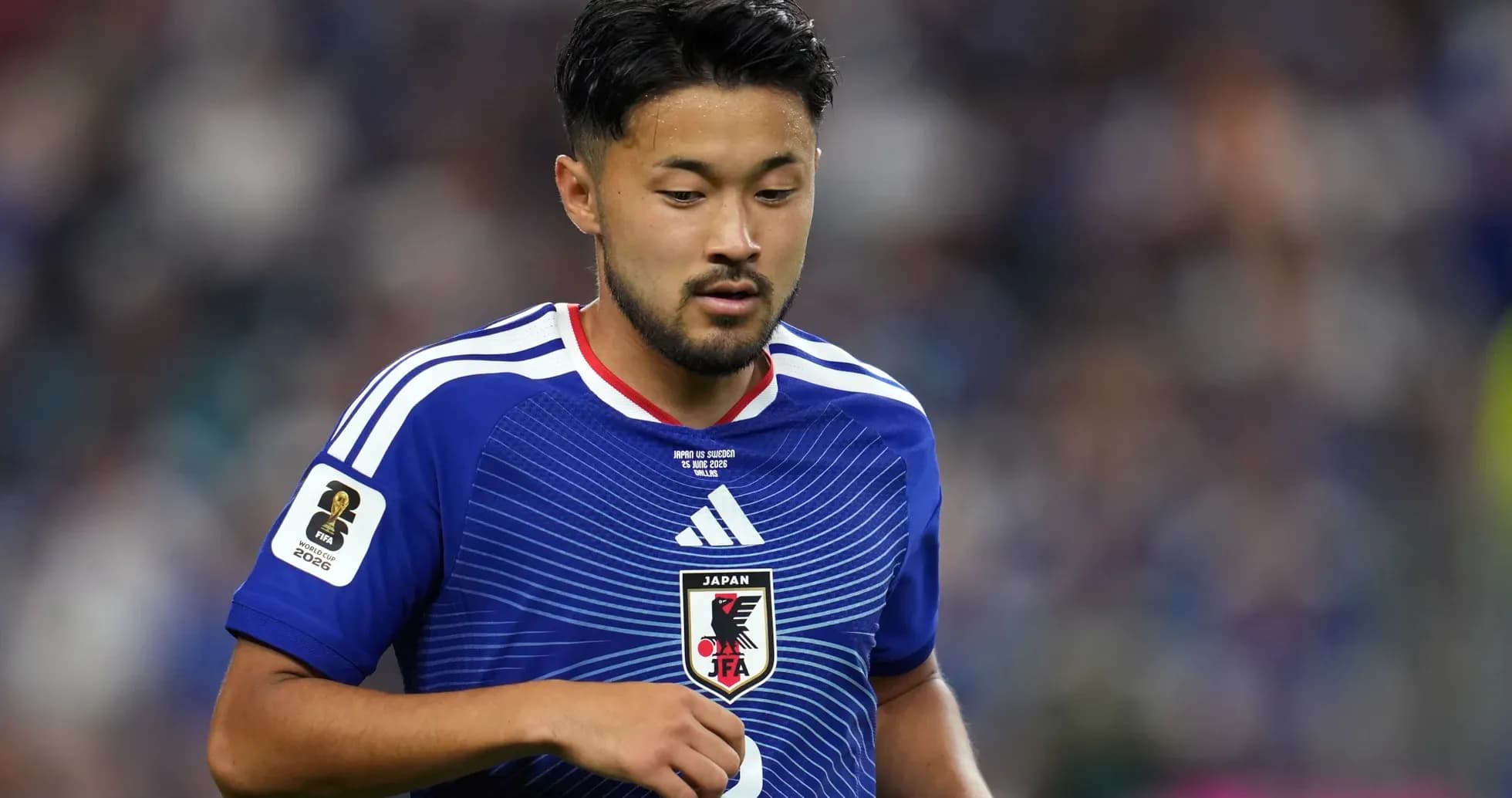
A tense 1-1 stalemate with Sweden at the home of the Dallas Cowboys was just enough to push Hajime Moriyasu’s side into the last 32 of the World Cup, runners-up in Group F behind the Netherlands after a win and two draws. It was nervy, it was imperfect, and at times they clung on. Yet as the dust settled, the talk was not of survival. It was of Brazil.
Houston on Monday. Brazil in the knockout rounds. Vinicius Junior on one side, a hardened, ambitious Japan on the other. There are bigger names in this World Cup. There is no bigger stage.
“We need to give 120 per cent against Brazil,” defender Yukinari Sugawara said, still coming down from Thursday’s fraught finish against Sweden. “To do that we need to be together as one as a team and a country, and prepare with everything we've got.”
That line could have been a slogan. For this squad, it sounds more like a mission statement.
From Sweden strain to Brazilian storm
Japan did not stroll into the knockouts. They were made to feel every step.
Daizen Maeda’s second-half strike against Sweden appeared to ease the tension, a sharp finish that briefly opened the door to a more comfortable evening. The relief did not last. Anthony Elanga struck back quickly, his shot squirming past Zion Suzuki in a moment the goalkeeper will replay in his head more than once.
From there, Japan bent. They did not break. Sweden pushed, the pressure grew, and by the final whistle Moriyasu’s side were hanging on.
Veteran defender Shogo Taniguchi did not sugar-coat the situation.
“From here on, if we lose it's all over. We need to move into a higher gear for the next game,” he said. There is no safety net now, no room for a sleepy 20 minutes, no chance to play their way into a match. Not when the opponent wears five stars on its chest.
Brazil arrive as they almost always do at a World Cup: favourites. Five-time champions, coached by Carlo Ancelotti, and fronted by Real Madrid’s Vinicius Junior, they carry the weight of history and expectation into every knockout tie. On paper, they should move past Japan and into the last 16 in North America.
But this Japan side has made a habit of ignoring the script.
A friendly that still stings
In October, Japan and Brazil met in a friendly on Japanese soil. It was supposed to be a test, a measuring stick. It turned into a warning. Japan won 3-2.
That result does not change the balance of power in world football, but it does linger in both dressing rooms. For Japan, it is proof they can hurt Brazil. For Brazil, it is a scar.
“Perhaps because of that match, they will be motivated even more,” Moriyasu said, fully aware that his team’s statement win has likely sharpened Brazilian focus rather than dulled it.
Japan, though, no longer approach giants with awe. They beat England at Wembley in the build-up to this World Cup, another shock that hardened their conviction that, on their day, they can stand toe-to-toe with anyone.
Suzuki, despite his misstep against Sweden, spoke with the same steel.
“We know that they're a strong team but if we do things right, we can definitely win,” he said of Brazil. “I want to approach this game as if it’s the final.”
For Japan, that mindset is not hyperbole. It is necessity. Every duel, every press, every run off the ball must be played with the desperation of a tournament’s last breath.
Dark horses at full gallop
Labelled dark horses before a ball was kicked, Japan have now reached the part of the World Cup where such tags are either justified or exposed. They are not the most glamorous name in the bracket, but they are one of the most dangerous to underestimate.
This is a team that marries organisation with ambition. They defend in numbers, yet they do not hide. Maeda’s tireless running, the composure of Taniguchi at the back, the energy of Sugawara and the courage of Suzuki after a difficult night — these are the pieces Moriyasu must fit perfectly against a Brazil side that punishes hesitation.
There will be no illusions in the Japanese camp. Brazil can overwhelm opponents in 10 ruthless minutes. One lapse, one missed tackle, and Vinicius Junior or a teammate can turn a contest into a procession.
But Japan have already shown they can disrupt rhythm, drag favourites into uncomfortable territory, and thrive in chaos. They have done it in friendlies, they have done it in iconic stadiums, and now they must do it on the World Cup’s knockout stage.
“No bigger stage,” Sugawara said. He is right.
The question now is simple and brutal: can Japan’s belief, sharpened by Sweden and emboldened by past scalps, withstand the full force of Brazil when the lights go up in Houston?