France’s World Cup Defence: The Central Axis of Saliba and Upamecano
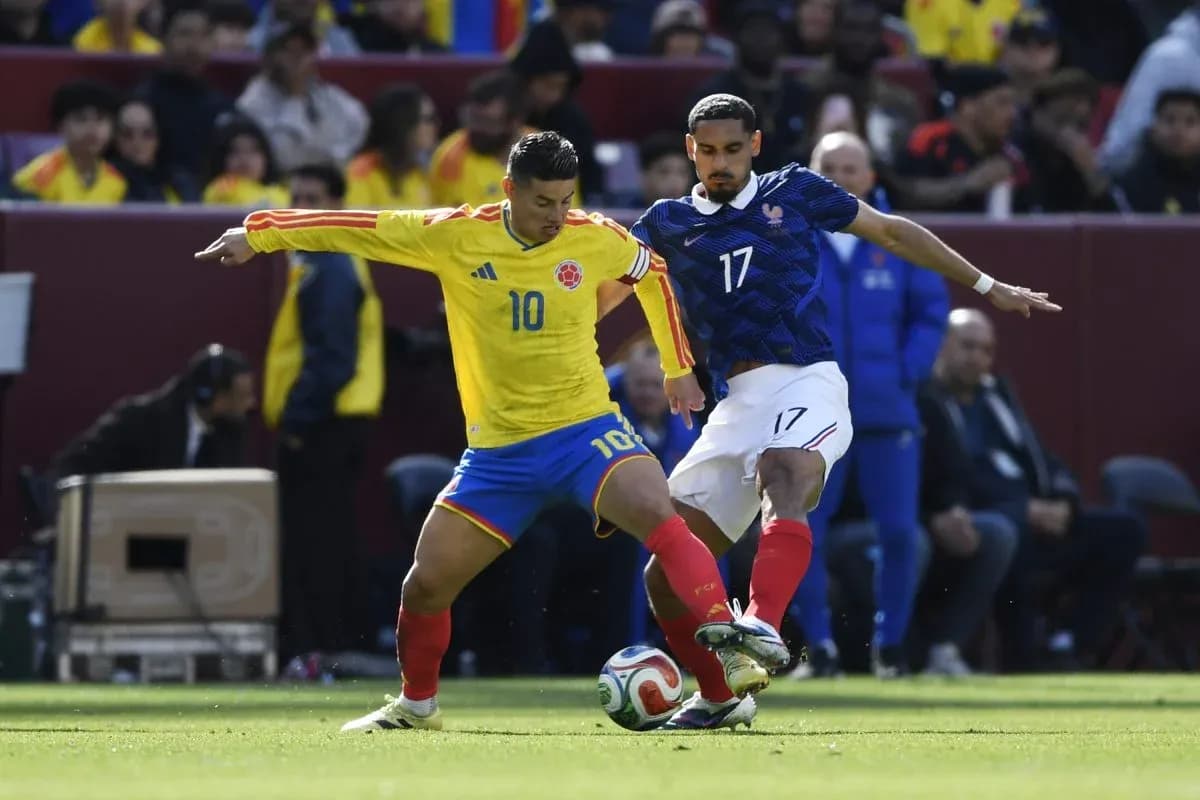
France’s World Cup defence is being built on a central defensive axis that now feels non-negotiable. William Saliba and Dayot Upamecano are the partnership. Everyone inside the camp knows it, and so do the opponents studying the tapes.
Yet there is a problem lurking beneath the surface.
Saliba, so elegant and assured at the heart of Arsenal’s back line, is managing persistent back pain. According to L’Équipe, the issue is serious enough that surgery is on the table once the World Cup is over. For now, he plays through it. Later, there may be a scalpel and a long recovery.
Didier Deschamps cannot plan a tournament on “later”.
He needs insurance. Reliable, ready, and in rhythm. The identity of the third centre-back, the first man off the bench, suddenly matters a great deal more than it did a few months ago.
For a long time, that safety net was Ibrahima Konaté. On paper, he remains the prototype: powerful, quick, dominant in duels, and on the verge of a headline move from Liverpool to Real Madrid this summer. In practice, his season has been rough. Form has dipped at club level, and those hesitations have bled into his performances with Les Bleus in the World Cup warm-up games.
The pressure finally told.
L’Équipe reports that Konaté may have lost his status as Deschamps’ first back-up option. The hierarchy has shifted, quietly but decisively. Into that gap has stepped Maxence Lacroix, the Crystal Palace defender whose rise has been more understated but increasingly difficult to ignore.
The clearest sign came on Monday night in France’s 3-1 win over Northern Ireland. When Deschamps withdrew Saliba at half-time, it was not Konaté who jogged down the touchline. It was Lacroix. The Palace man slotted in alongside Upamecano, not as a late cameo, but as a direct like-for-like change for the team’s defensive cornerstone.
In a squad as deep as France’s, such details are rarely accidental. Minutes are messages. Lacroix’s introduction at the break, ahead of a defender of Konaté’s pedigree, reads like a recalibration of trust.
Saliba and Upamecano remain the bedrock. Yet with Saliba’s back a constant concern and a possible operation looming once the tournament ends, Deschamps may find that his most important decision in defence is not about the two starters, but about the man he now turns to third.