Adam Wharton's Omission from England's World Cup Squad Stuns Fans
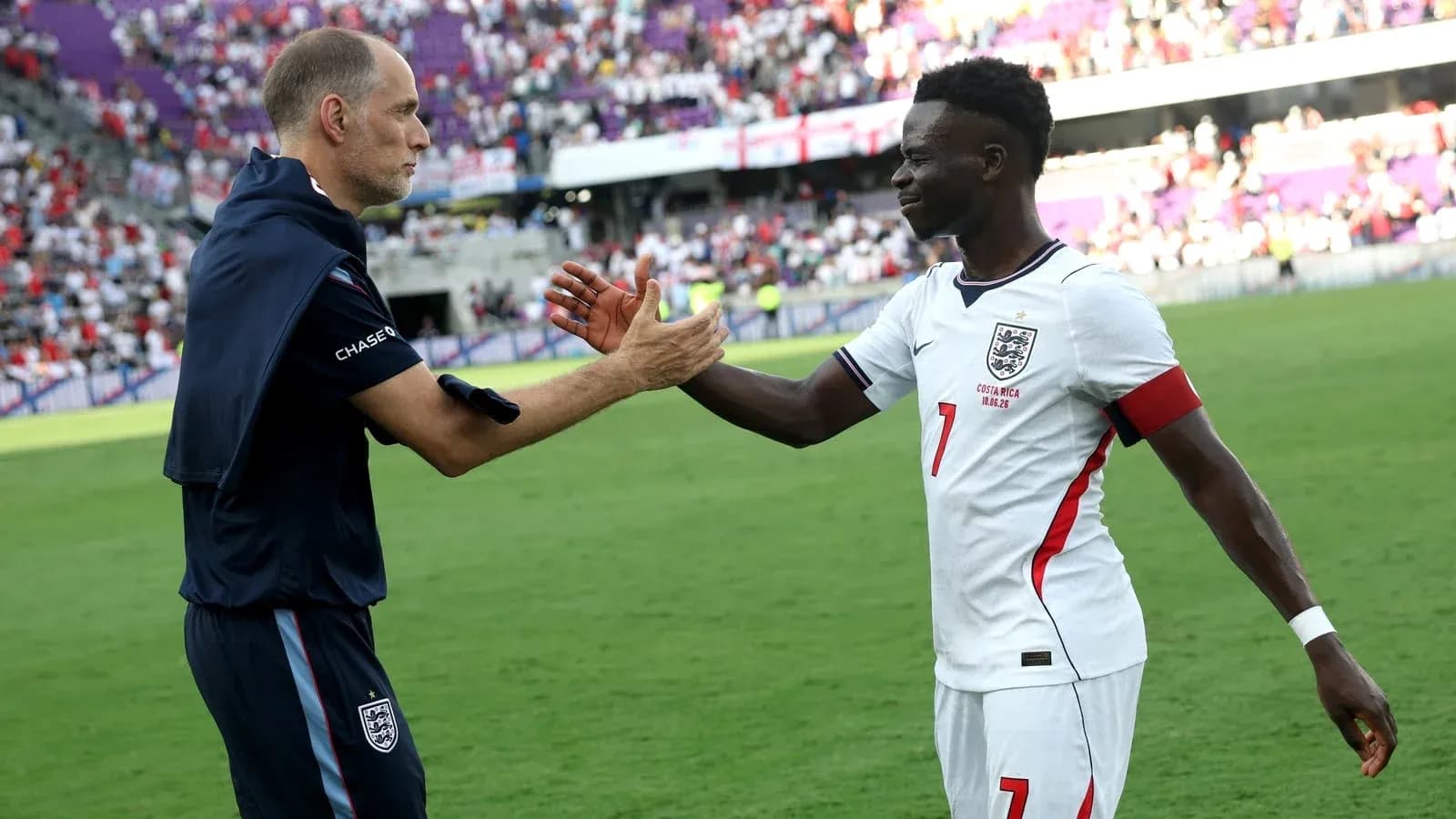
When Thomas Tuchel read out his England squad for the 2026 World Cup, you could almost hear the arguments warming up across the country. Big tournaments demand big calls, and some big names were always going to miss out.
But Adam Wharton? That one cuts a little deeper.
The 22-year-old’s response to the snub said everything about his temperament and his talent. Days after discovering he would be watching the World Cup from home, Wharton walked into the Europa Conference League final and took it over. Crystal Palace edged Rayo Vallecano 1-0 at the Red Bull Arena in Leipzig, and at the heart of their first-ever European trophy stood the midfielder Tuchel decided he could do without.
For Palace, it was a historic night. For Wharton, it was a statement.
He didn’t just keep things tidy. He dictated. He probed. He saw angles others on the pitch never even glanced at. The tempo seemed to run through his boots, the rhythm of Palace’s biggest evening in Europe shaped by a player who should, on current form, be stepping into the biggest stage of all this summer.
That is what makes his omission so jarring. This isn’t a position where England are overflowing with variety. Tuchel’s midfield has plenty of industry and structure, but it lacks someone who can sit deeper and still prise open a defence with one pass.
Wharton does exactly that. He spots passes that split defensive lines from 30, 40 yards away and has the confidence to thread them through the tightest of gaps. It’s not just vision, it’s conviction.
Even Glenn Hoddle, a man who knows a thing or two about passing a football from deep, raised an eyebrow at the decision. The former England manager highlighted Wharton’s ability to unlock defences from positions where most midfielders would settle for the safe ball. That trait is not a luxury; for this England side, it looks like a missing piece.
Tuchel’s England have often laboured against low blocks, shuffling the ball from side to side, waiting for something to break rather than forcing the issue. A player like Wharton changes that equation. He turns sterile possession into threat.
Would he have started in Qatar’s successor? Probably not. But tournaments are rarely won by the starting XI alone. They are decided by moments, by substitutes who see a different picture, by players who can alter the rhythm of a game in 20 minutes. Wharton feels exactly that type.
Instead, Tuchel has turned to Jordan Henderson. The logic is clear enough: leadership, experience, a familiar voice in the dressing room. Henderson has been a loyal servant to England, a standard-setter for a decade.
But he is 35. His best days are behind him, not ahead. Choosing him over a midfielder in the form of his life says plenty about Tuchel’s instincts. When the pressure rises, he leans on experience, on what he knows, rather than on what might elevate the team to something new.
For a nation staring down a 60-year wait for a World Cup title, that feels like a conservative roll of the dice. England do not just need leaders in the huddle; they need game-changers on the pitch.
Henderson brings know-how, yes, but he does not bring a catalogue of defining England moments. Wharton, with his range and bravery on the ball, offered the possibility of exactly that. He represented a different way of attacking a problem that has repeatedly undone England at major tournaments: how to unpick stubborn, disciplined defences when the stakes are highest and the spaces are smallest.
Tuchel, though, has backed the old guard. It is an old-school decision from an old-school coach, one who still believes that experience is the safest currency when the margins shrink.
If England fall short again, struggling once more to turn dominance into incision, the image of Wharton running a European final from midfield in Leipzig will not be far from anyone’s mind.
And if the summer ends in familiar frustration, the question will linger: did England leave one of their few genuine wild cards at home?