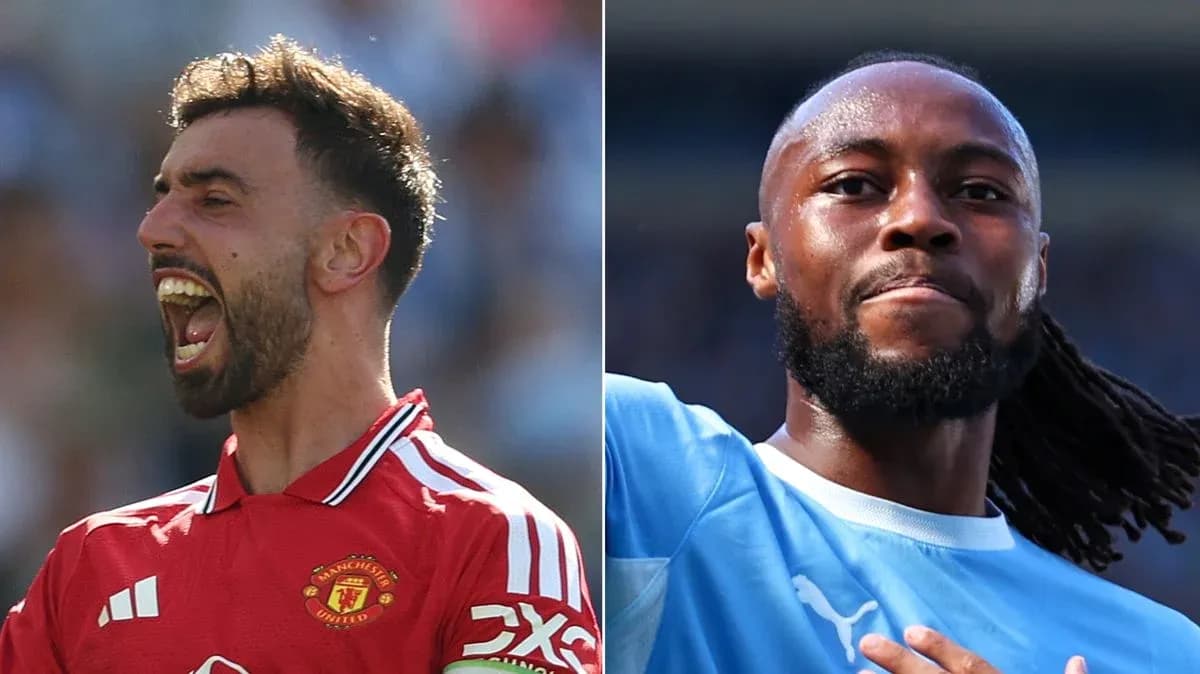
Fixture Release Day: Manchester United and City Prepare for 2026/27 Season
The World Cup is rumbling on, last season only just in the rear-view mirror, but English football doesn’t pause. Not for breath, not for trophies, not for anything.
Fixture release day has arrived.
At 10am, Manchester United and Manchester City will discover the path that will define their 2026/27 Premier League seasons. Eighty minutes of scrolling, plotting and second-guessing will follow in homes and offices across the city, but inside Old Trafford and the Etihad, the stakes are sharper. This is the skeleton of a campaign that could reshape both clubs.
Carrick’s United look to turn momentum into menace
United come into this with something they’ve not had for a while: genuine momentum.
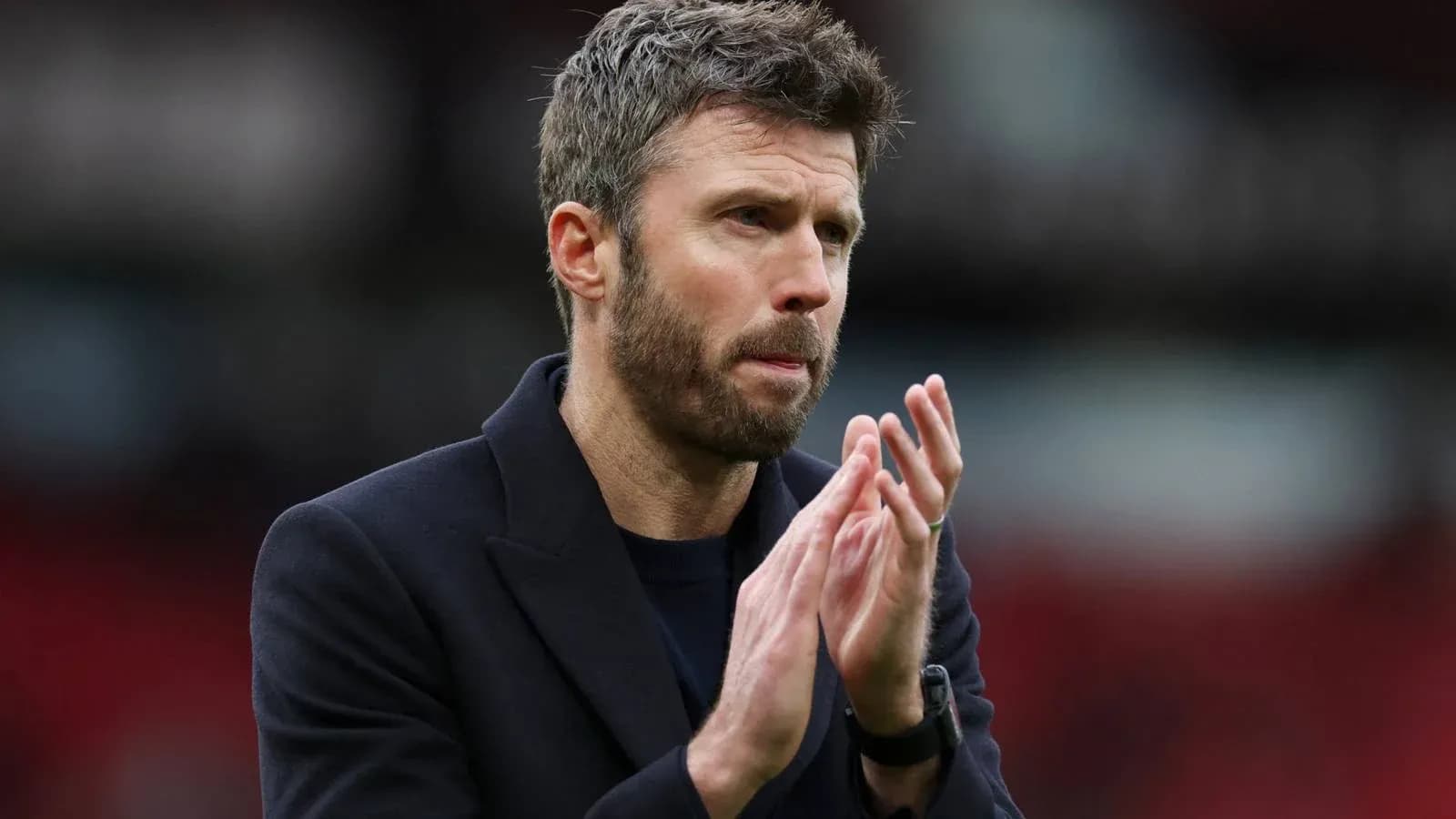
Michael Carrick stepped in mid-season, steadied a listing ship left by Ruben Amorim and did more than simply rescue respectability. He drove United back into the Champions League with room to spare, and in doing so, changed the mood around Old Trafford.
The message from the boardroom has started to match the mood in the stands. Omar Berrada has already spoken publicly about winning the Premier League “perhaps as soon as next season”. Ambitious? Absolutely. But it sets the tone.
United finished nine points behind City and 14 adrift of champions Arsenal last term. That gap is the benchmark now. Whatever order the fixtures drop in at 10am, closing that distance is the clear aim. Third place might have felt like progress in May; it won’t be enough in May 2027.
For Carrick, the opening weeks matter. United were thrown straight into the deep end last season with Arsenal, City and Chelsea in their first five games. Seven points from 15 wasn’t a disaster, but it left them chasing. This time, they will quietly hope for something softer. A run that lets them build rhythm, bank points and feed the belief that has been growing since January.
There is another layer to their planning. The new Champions League league phase means eight European fixtures, scattered across a calendar already straining at the seams. United will be watching closely to see who they face after those midweek nights. Long away trips straight after Europe are the nightmare scenario. Big domestic clashes in the shadow of a Champions League tie are not far behind.
If Carrick’s side can avoid too many of those landmines, that growing optimism might start to feel like something more dangerous.
City search for certainty after Guardiola
Across town, the mood is very different. Not bleak, but uncertain.
For the first time in years, Manchester City head into a season without Pep Guardiola. His departure at the end of last season has left a vacuum at the Etihad that no one has yet officially filled. Enzo Maresca is expected to walk through the door, but as the fixtures drop, his appointment is still not rubber-stamped.
This, City will feel, is a defining year. They need to prove that life after Guardiola can still mean business as usual: control, trophies, dominance. To do that, the Premier League has to be the primary target. Everything else is noise.
Last season’s start summed up the volatility that crept into their campaign. A blistering 4-0 win at Wolves suggested nothing had changed. Then came back-to-back defeats to Spurs and Brighton, a jolt that City never quite shrugged off in the title race, even as they thrashed United 3-0 and took a point off Arsenal.
The fixture list will tell Maresca – or whoever is in charge – how steep his early learning curve will be. A heavyweight clash in the opening fortnight, and the scrutiny will be ferocious. A deceptively gentle start, and the pressure will be to win, and win big, from day one.
The Champions League dates are already locked in: early September, a packed October, a dense run in November and December, then the decisive stretch in January. City’s staff will be poring over those weekends, hoping the computer has been kind around those windows where squads are stretched to breaking point.
New faces, old pressures
United and City won’t just be scanning for derbies and title rivals. There are new names to circle.
Coventry City are back in the Premier League as Championship winners, managed by Frank Lampard and returning with a flourish. They finished 11 points clear of Ipswich Town, who joined them automatically on a dramatic final day under Kieran McKenna. The Tractor Boys have since lost McKenna, who stepped away from football, and are now weighing up Ole Gunnar Solskjaer among their options. An old United hero potentially back in the top flight, this time in the opposing dugout, would add an extra twist.
Hull City complete the trio of newcomers, and their route up was anything but straightforward. Sixth in the table, they tore through the play-offs, knocking out third-placed Millwall over two legs. Then chaos: Southampton were thrown out of the play-offs for spying on Middlesbrough, who were reinstated. Hull didn’t blink. At Wembley, Oli McBurnie struck in the last minute to drag the Tigers back to the big stage.
Those are the games managers privately hope to see dotted around tricky runs, but the Premier League has its own rules.
Inside the machine: how the calendar is built
The fixture list isn’t thrown together on a whim. Work began six months ago, long before the last ball of 2025/26 was kicked.
The Premier League’s scheduling system – part human, part “supercomputer” – has to juggle Champions League and domestic cups, police advice, local events and broadcast demands. Then it feeds everything through a set of non-negotiable rules.
No club can have more than two home or two away games in a row. Across any five fixtures, there must be a 3–2 split between home and away, in either direction. No team starts or finishes with two straight home or away matches. Around FA Cup ties and international breaks, the league tries to alternate venues to ease travel and recovery.
The festive period, always a flashpoint, has its own logic. Last season, Boxing Day produced just one Premier League match, a decision that infuriated traditionalists even as United hosted Newcastle in an 8pm slot. The league pointed to the expanded European calendar and a squeezed domestic schedule, which left them with only 33 weekends for a 380-game competition.
This time, Boxing Day falls on a Saturday and the Premier League has already promised more fixtures. The commitment is clear: more rest between rounds 18, 19 and 20, with no club playing again within 60 hours. Player welfare has become a headline concern, not a footnote.
That thinking has also nudged the start date. The 2026/27 season will begin on Saturday, August 22, a week later than last year. The league wants 89 clear days from the end of the previous campaign and 33 days from the World Cup final. The final day is set for Sunday, May 30, a week before the Champions League final at the Metropolitano in Madrid on June 5.
Old Trafford buzzing, the Etihad waiting
At Old Trafford, fixture release day carries a different energy this year.
Carrick is now permanent, not a stop-gap. He has already banked his first win as full-time head coach, a comfortable final-day victory over Brighton that only reinforced the sense of a club finally pointing in one direction. The fixture list will be studied with intent, not resignation.
Which weekend brings Arsenal? When do they face City? Where do the toughest away trips land? And, crucially, what does the run-in look like if they are still in the hunt in April?
City’s mood is more cautious. Without Guardiola officially replaced, there is an unfamiliar sense of limbo. The squad remains stacked with quality, the infrastructure unchanged, but the man in the technical area shapes everything. Maresca is widely expected to be that man, yet until the ink dries, the uncertainty lingers.
For City, this calendar will help set the tone of a post-Guardiola era. A brutal opening month and any stumble will be magnified. A soft landing and the expectation will be relentless: top from the start, stay there to the end.
The clock ticks toward 10am
Two hours out, the questions are piling up.
Who do United want on the opening weekend – a newly promoted side to make a statement, or a heavyweight scalp to announce their intent? Will City be pitched straight into a showdown that tests the new regime’s nerve?
The answers sit inside a computer, waiting to be released. In a few lines of text, the Premier League will sketch out the storylines that will dominate Manchester’s season.
The World Cup can wait. For fans on both sides of this city, the real drama starts when the fixtures drop.