English Football's Premier League Triumphs and Hidden Challenges
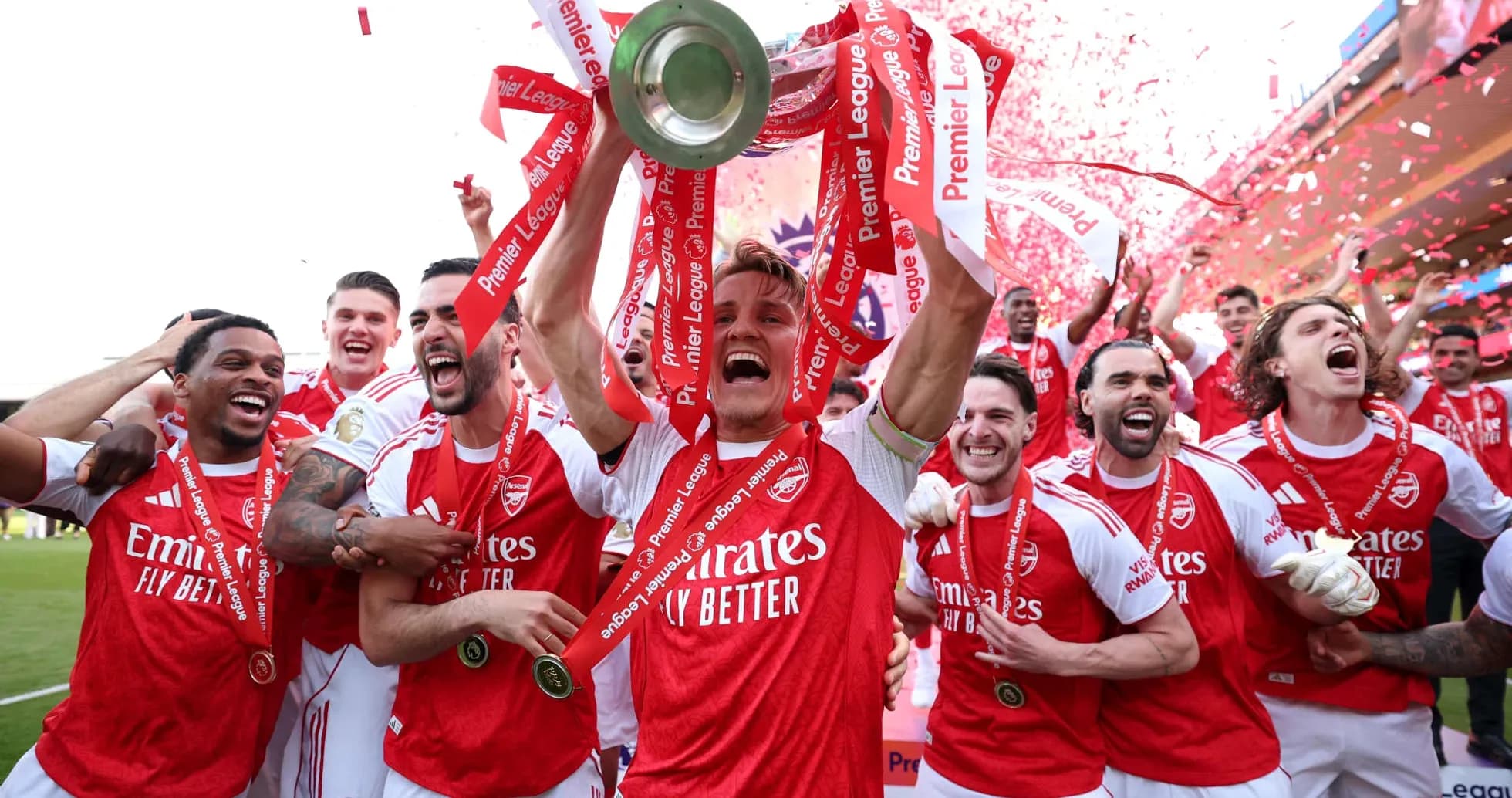
Martin Odegaard held the Premier League trophy aloft under the Selhurst Park floodlights and, for a moment, English football looked untouchable. Arsenal, champions again after 22 long years, their 14th league crown sealed in south London on May 24, celebrating at Crystal Palace’s ground as if the game here had never been healthier.
Three seasons, three different champions. Manchester City in 2023-24, Liverpool in 2024-25, Arsenal now. A title race that keeps changing hands, a league that sells itself as the most unforgiving in Europe — and, on the surface, has the evidence to back it up.
Look across the continent and the contrast is stark. Spain, the next richest league, has been carved up almost exclusively by Barcelona and Real Madrid. Between them they have taken 20 of the last 22 titles, a rivalry that has long since drifted into monopoly. In Germany, Bayern Munich’s grip has been even more suffocating: 13 championships in 14 seasons. France has danced to Paris Saint-Germain’s tune, with PSG crowned in eight of the last nine campaigns.
Only Italy’s Serie A has offered something resembling the Premier League’s chaos. Juventus, Inter Milan, AC Milan and Napoli have all had their turn as champions in the last seven years, a rare cluster of challengers in a landscape otherwise dominated by superclubs.
On the pitch, English sides have turned that domestic edge into European muscle. Aston Villa and Crystal Palace swept through the Europa League and Europa Conference League, turning those competitions into an English procession. It took a penalty shootout in the Champions League final — PSG edging past Arsenal — to deny the Premier League a clean sweep of UEFA’s major trophies.
Chelsea still hold FIFA’s Club World Cup. English clubs dominate Deloitte’s rich list, taking half of the top 30 revenue spots. The TV deals, domestic and overseas, dwarf anything else in the sport. Even the so‑called smaller names have swelled with broadcast money: AFC Bournemouth, Brentford and Brighton & Hove Albion now sit in the same financial conversation as European royalty.
It looks like an empire. It feels like one. But scratch the gloss and the picture changes.
The talent, quietly, has started to leave.
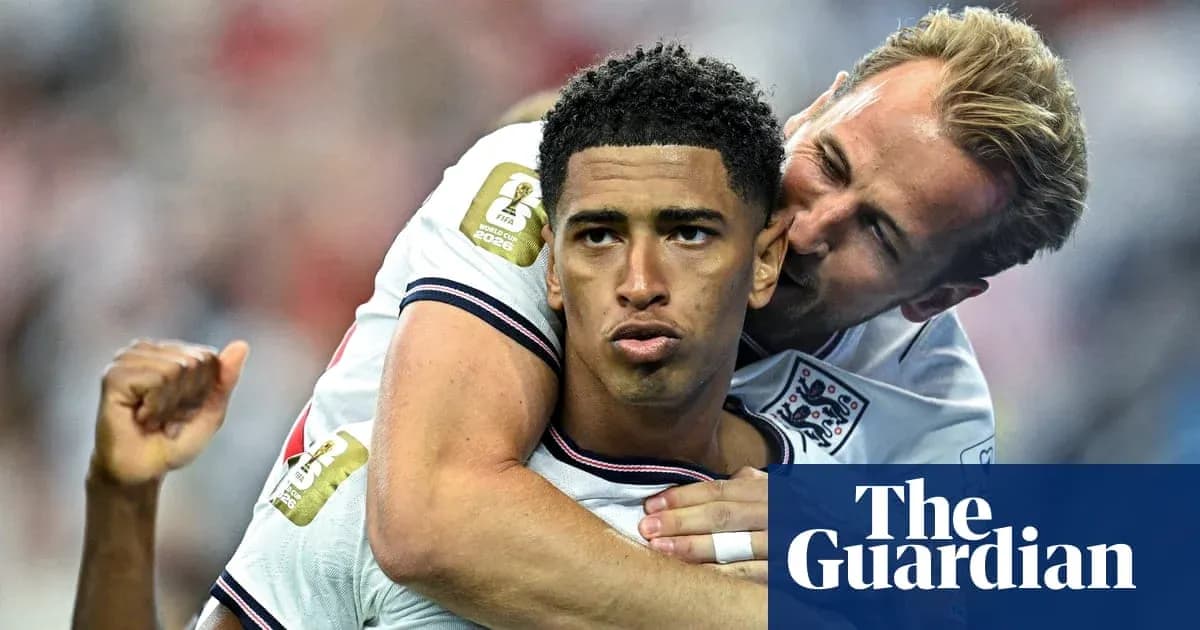
England captain Harry Kane is the most obvious example, a totem of the national team now earning his living abroad. He is no longer an outlier. After Newcastle United agreed to sell Anthony Gordon to Barcelona last week, six members of England’s squad for the upcoming World Cup now play outside the country.
That number has jolted seasoned observers. Martin Samuel of The Times, long one of the sharpest voices on the English game, captured the unease. Once, he argued, English football took pride when Real Madrid or AC Milan came calling for its stars. That was a sign of status, a nod of respect. A handful leaving was a compliment. Almost a quarter of a World Cup squad? That starts to look like a drain. The concern deepens when the flow of elite talent heading in the opposite direction no longer feels quite as strong.
While the Premier League sits on record revenues, its balance sheets tell a more fragile story. Only four clubs — Newcastle, Aston Villa, Bournemouth and Liverpool — turned a profit in the most recent season with available figures. The rest are effectively gambling on success, or survival, or both.
Below the top flight the strain has already snapped. Administration has claimed a string of historic clubs, including Derby County and Sheffield Wednesday, names that once lit up the English game now used as warnings in financial briefings.
Many others are leaning on creative accounting just to stay within the rules. Sale-and-leaseback deals on stadiums and training grounds, revalued assets, intricate manoeuvres designed to satisfy financial fair play regulations. Those rules were meant to protect competition and stop a handful of ultra-wealthy owners — including sovereign wealth funds — from distorting the market with relentless spending. Instead, clubs without such backing are twisting themselves into financial knots to keep pace.
Even the super-rich may start to think twice.
This season offered a stark reminder of the jeopardy built into English football. Tottenham Hotspur, one of the six Premier League clubs that flirted with the breakaway European Super League in 2021 before supporters torched the idea, only just avoided relegation. West Ham United, the league’s eighth-longest serving club and 20th in Deloitte’s Money League, did not. They went down.
For American investors raised on closed leagues, guaranteed fixtures and no trapdoor, that kind of risk is not romantic. It is alarming. They see a club with West Ham’s history, fanbase and financial standing tumbling out of the division, and a brand like Tottenham staring into the abyss, and the model suddenly looks less like a licence to print money and more like a high-stakes bet.
Samuel pointed to another chilling detail: Liverpool, Manchester United, Crystal Palace, Chelsea and Newcastle are, in one form or another, on the market or open to significant new investment. Prospective buyers, he suggested, will study West Ham’s fate and Tottenham’s brush with disaster and shudder.
The Premier League’s executives will have done the same. The trophy in Odegaard’s hands tells one story: drama, competition, global appeal. The accounts, the exodus of talent, the nervous owners tell another. How long can English football sell itself as the game’s glittering pinnacle while the ground beneath it keeps shifting?