Craig Gordon: The Legendary Goalkeeper Retires
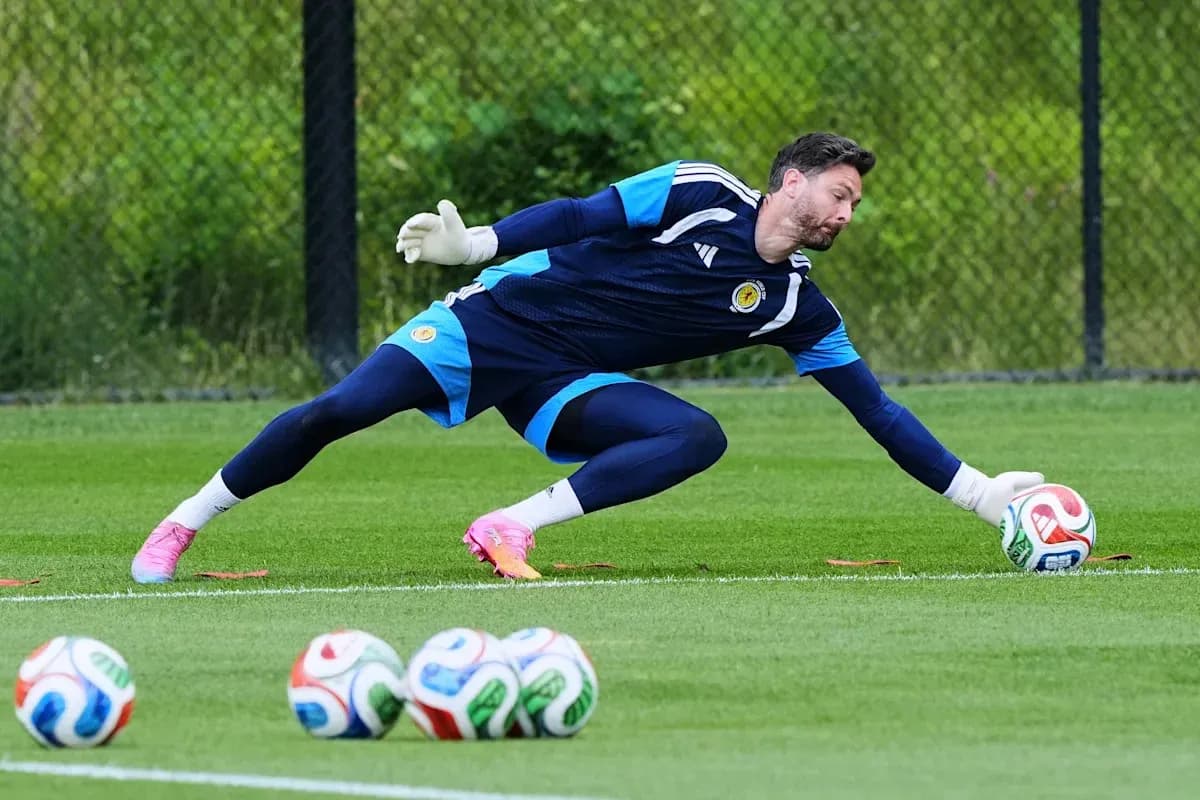
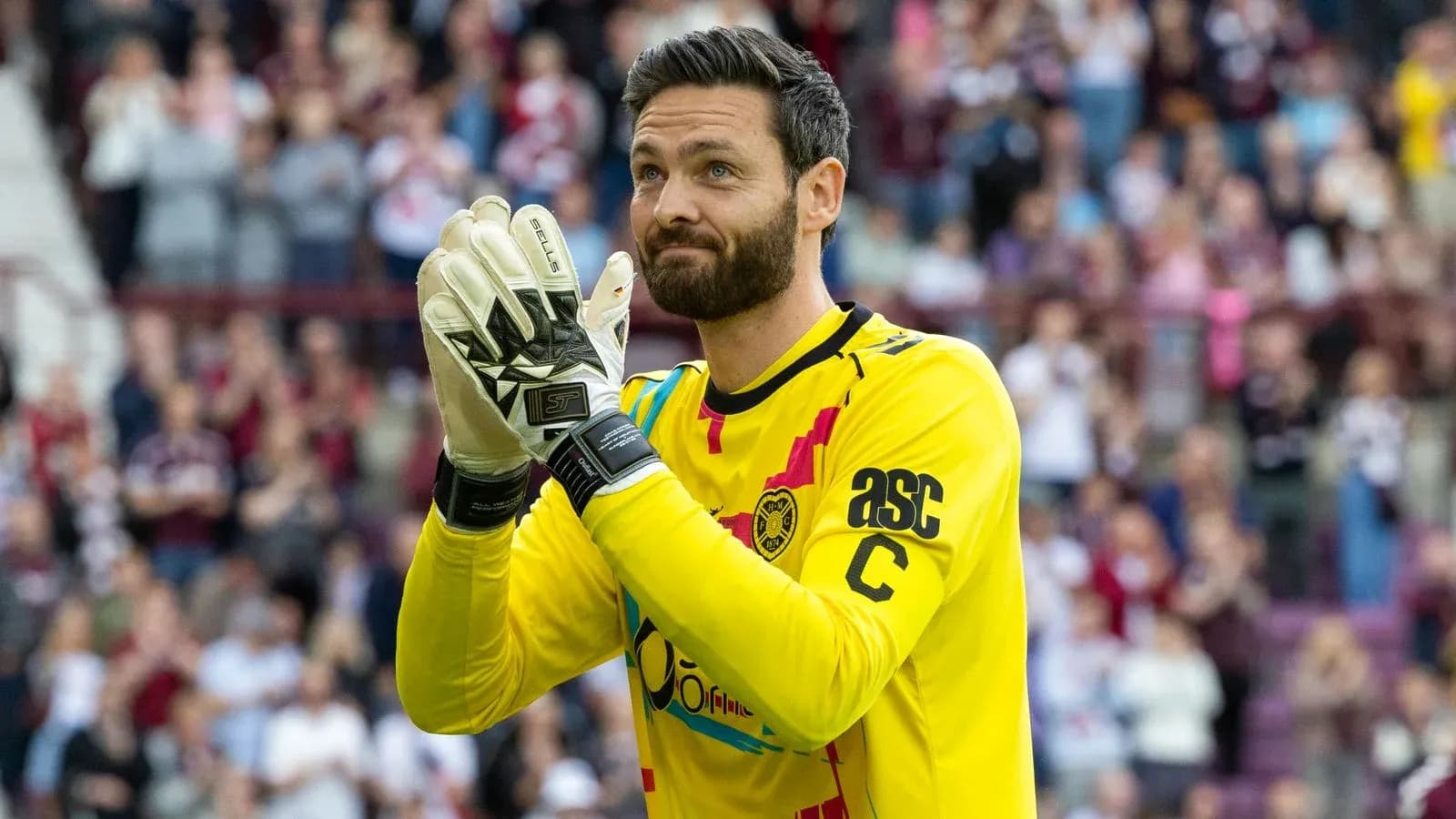
Craig Gordon has spent a quarter of a century throwing himself in front of footballs and fate. At 43, the Hearts and Scotland great has decided that is enough.
The goalkeeper, who made his professional debut in 2001, walks away after more than 760 senior appearances for Hearts, Celtic, Sunderland, Cowdenbeath and his country. His career stretches across eras and generations, stitched together by a single constant: when Gordon was fit and available, he played. And he usually excelled.
From Tynecastle dreamer to record-breaker
Gordon’s rise began where his heart always lay. A boyhood Hearts fan, he broke through at Tynecastle and quickly turned promise into presence. By 2004, he had his first Scotland cap. By the end of the 2005/06 season, he had lifted the Scottish Cup with Hearts – the first of 15 major honours.
The recognition came early. At just 24, in 2007, he was inducted into the Hearts hall of fame, the youngest player ever to receive the honour. That same year, his trajectory exploded. Sunderland arrived with a £9m bid, a British record transfer fee for a goalkeeper at the time. The move underlined his status: this was not just a talented Scottish keeper; this was one of the most coveted in Britain.
In the Premier League, he produced the moment that would follow him for the rest of his days. In 2010, against Bolton, Gordon made a save that defied logic and physics. Years later it would be voted the greatest save in Premier League history. One stop, frozen in time, to sum up a career built on reflex, courage and timing.
Glory, pain and the fight to walk again
The story was never smooth. His 25-year career is as much about the scars as the silverware.
A succession of serious injuries – ankle problems, broken arms, knee surgery – gradually eroded his time at Sunderland. Eventually, the gloves came off not for retirement, but for survival. Rehabilitation began. At one stage, he was not just out of the team; he was battling to walk without pain.
From around 2012, Gordon drifted out of the spotlight and into a different world. Coaching roles kept him close to the game while he fought a career-threatening condition. For roughly two years he did not play, his future uncertain, his body untrustworthy.
Then came the comeback.
Celtic took a chance. Gordon took it with both hands. He signed for the Glasgow club and promptly rebuilt his career at the summit of Scottish football. Six Premiership titles, five League Cups and three Scottish Cups followed. He didn’t just return; he dominated.
Home again – and another brutal setback
When his contract at Celtic Park expired, the circle closed. Gordon went back to Hearts, back to the club where it had all started, and once again he raised standards. Age did not soften him. If anything, it sharpened his authority.
Then Christmas Eve 2022 arrived. A double leg break. Another horrific injury, another moment when the curtain seemed ready to fall for good. At 40, most players would have surrendered. Gordon chose surgery, rehabilitation and another climb.
He came back again. He returned to the Hearts team, returned to the Scotland setup, and kept pushing. Last season he played his part in Hearts’ title push, which went to the final day of the Premiership campaign. He was still there, still relevant, still trusted.
He even made the Scotland squad for the World Cup at 43. A veteran in years, but still a live option in goal. That alone says everything about his conditioning, his mentality and the respect he commanded.
A place in history
Eighty-four caps for Scotland, a place on the Scottish FA’s international roll of honour, a hall-of-fame induction at 24, a British record transfer fee, 15 major trophies, and a save immortalised in Premier League folklore. The numbers are weighty, but they don’t quite capture the story.
Gordon was not just decorated; he was durable. He outlasted managers, team-mates, trends and even his own body at times. From Hearts to Sunderland to Celtic and back again, he stood in goal for 25 years, through eras of boom, bust and rebirth in Scottish football.
In a farewell video released by Hearts, his words carried the tone of a man at peace with the decision, if not exactly eager for it.
“I've never wanted it to end, but end it must,” he said. “I have lived my dreams and for that, I'm so thankful.”
Those dreams were simple and pure: play for Hearts, play for Scotland. He did both, repeatedly, under the fiercest pressure the game can offer. From the national anthem belted out 84 times to European nights and domestic deciders, he stood in front of the biggest names at the biggest stadiums and rarely blinked.
He thanked team-mates, coaches, opponents, medical staff and family. He saved his final words for the supporters.
“Now the gloves are finally off and I bid farewell to my playing career. You, the fans, have given me everything, and it has been a privilege to represent you. I hope you've enjoyed it as much as I have. From the bottom of my heart, thank you.”
The gloves are off. The boots are going away. The legacy stays exactly where it has been for two decades – on the goal line, in the record books, and in the memories of those who watched Craig Gordon refuse, time and again, to let the ball – or his career – cross the line.