Chicago Fire's Anticipated Match Cancelled at Soldier Field
Soldier Field let out a groan, not a roar.
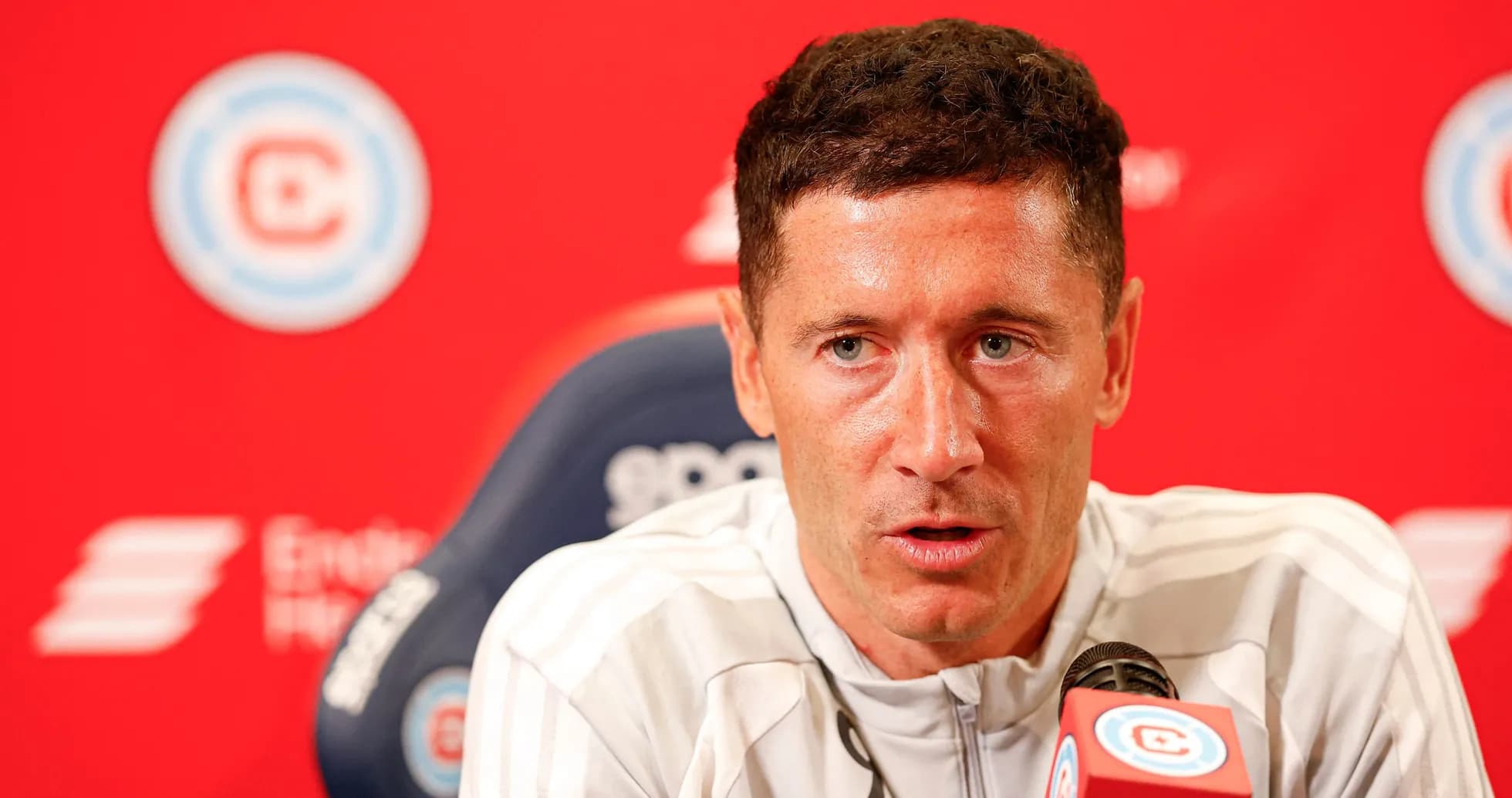
What was supposed to be a landmark night for club, league and one of modern football’s great strikers dissolved into frustration as the much-hyped fixture was called off, shelving the 37-year-old forward’s first professional appearance outside Europe.
Chicago Fire’s hierarchy did not try to dress it up.
“We share our fans’ disappointment, especially given the excitement surrounding our first match back following the FIFA World Cup break and the anticipation of welcoming more than 40,000 fans to Soldier Field,” said Fire’s president of business operations, Dave Baldwin.
A crowd that had built its weekend around this occasion never even saw a ball kicked. The club had sold the evening as a statement of intent: a post-World Cup showcase, a European star under the lights, a major stadium braced for noise again after the break. Instead, the turnstiles stayed still and the anticipation curdled into annoyance.
“Tonight was expected to be a special evening at Soldier Field,” Baldwin added. “While we know this decision is disappointing, health and safety must come first. We appreciate our fans’ understanding and look forward to welcoming them back soon.”
Health and safety ended up trumping spectacle, but the timing could hardly have been worse for MLS. The league had deliberately dropped marquee fixtures into the narrow window between the World Cup semi-finals and final, hoping to ride the wave of global attention washing over North American football. This game sat at the centre of that plan.
It had all the ingredients. A global name making his American bow. A stadium primed for more than 40,000 fans. A sub-plot straight out of European royalty: Robert Lewandowski against Thomas Muller, old Bayern Munich colleagues turned rivals yet again, meeting for the 23rd time on opposite sides.
That duel will have to wait. So will a family story that had given the night a softer edge.
The cancellation also tore up a rare Berhalter reunion. Fire head coach Gregg Berhalter had been set to stand in the opposite technical area from his son, Vancouver Whitecaps midfielder and MLS All-Star Sebastian Berhalter. For once, the pre-match handshake would have carried a father’s pride and a coach’s calculation in the same grip. Instead, the family moment is pushed into the autumn grind, when sentiment tends to vanish under the weight of points and pressure.
The fixture has been pushed to October, a month when managers usually beg for fewer games, not more. That change drags both clubs into a scheduling minefield at precisely the stage of the season when every sprint, every recovery session and every selection call can tilt a campaign.
For Vancouver, perched as the top side in the Western Conference this season, the margin for error is slim. Their rise has been built on tactical consistency and a clear identity; now they must hold that line while navigating a rearranged date jammed into an already demanding run-in. One bad week in October can undo months of steady work.
Chicago face a different kind of puzzle. The delay means the coaching staff must essentially re-run a mini pre-season for their new star. Conditioning plans, carefully tailored to peak for this night, now need to be ripped up and rewritten. The 37-year-old will have to be kept sharp without being overworked, ready for a debut that has already slipped once and cannot afford to drift again.
The night that was supposed to announce a new era at Soldier Field has turned into something else entirely: a test of planning, patience and resilience.
The question now is simple: when October finally comes, who will be better prepared to turn this unwanted disruption into an advantage?