Argentina's Journey to the 2026 FIFA World Cup Final with Messi
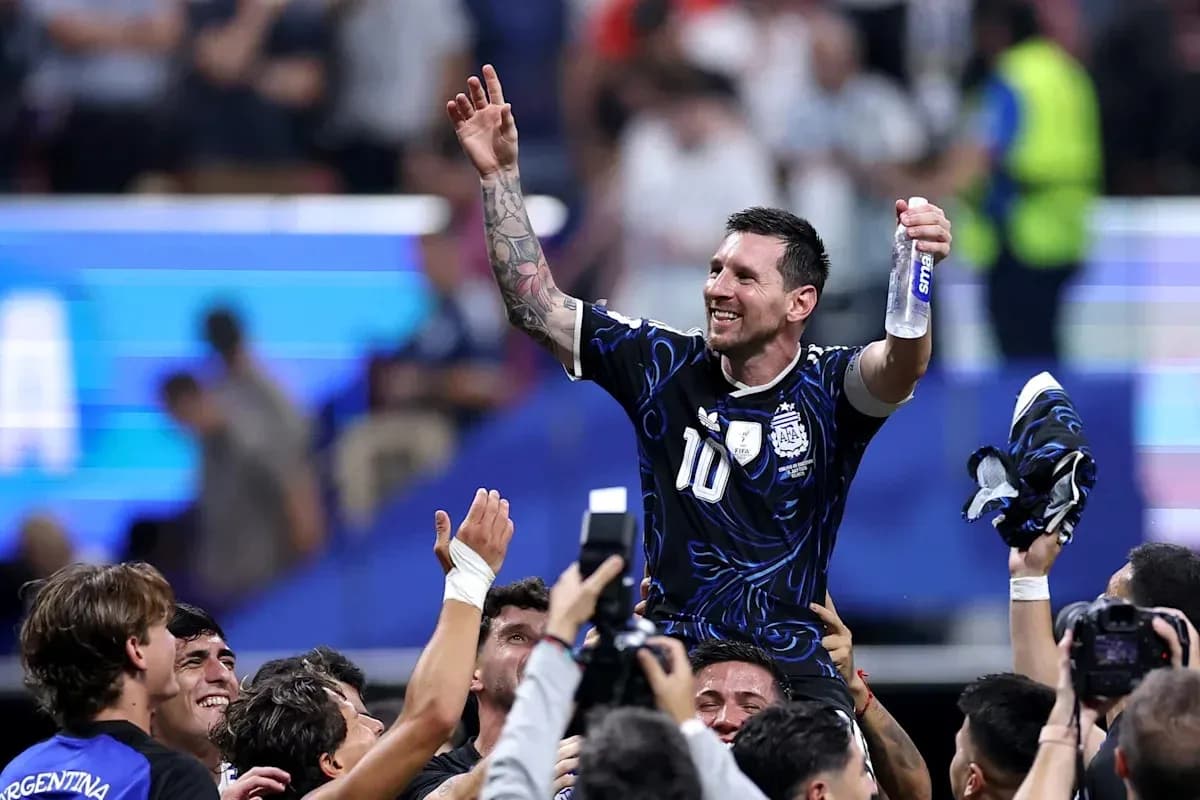
Lionel Messi stood in the middle of the chaos, eyes wet, voice cracking, clinging to Rodrigo De Paul as if he never wanted to let go.
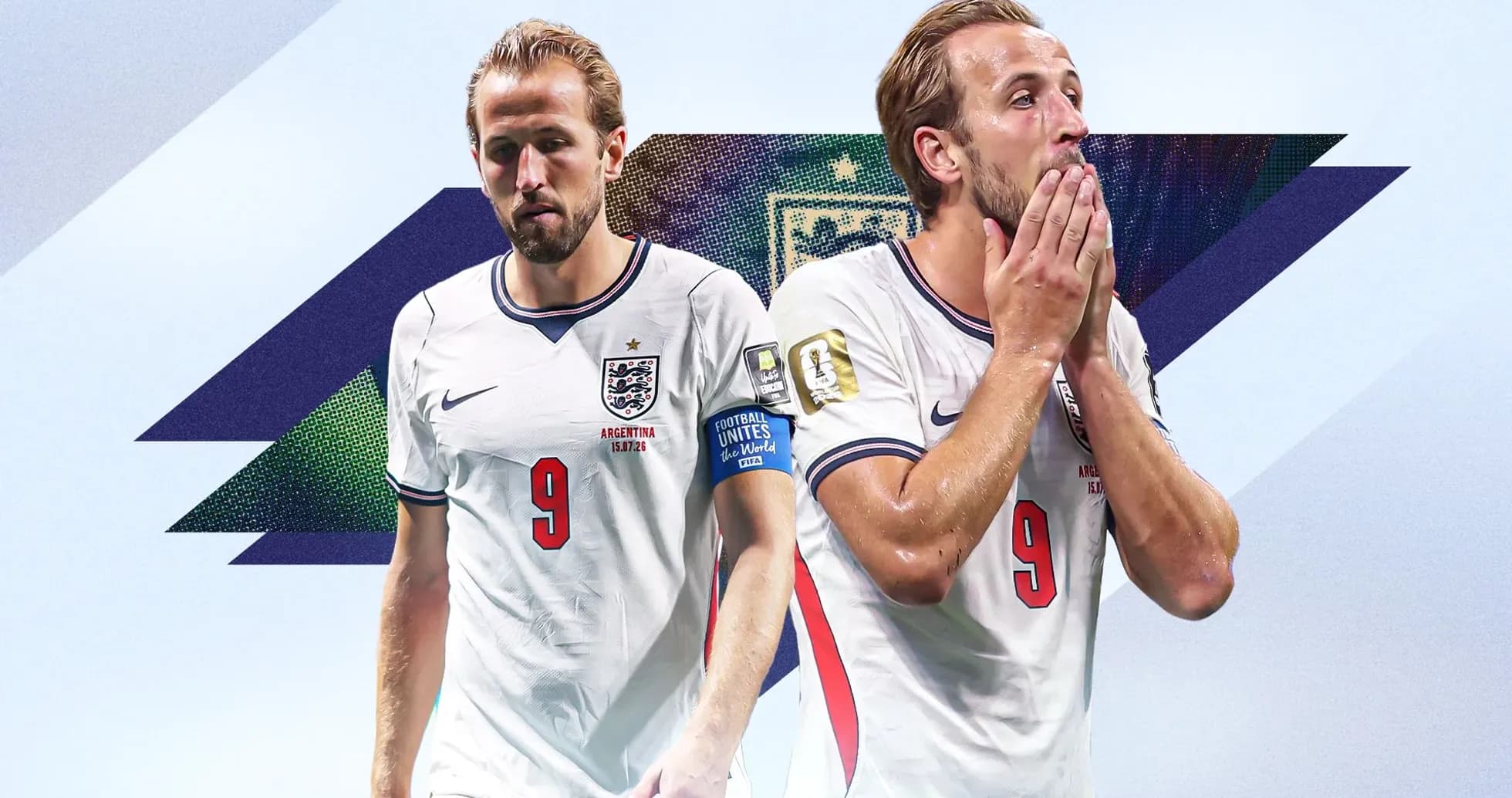
Around them, Argentina’s players were still screaming, still running, still trying to process what had just happened: from 1-0 down to England to 2-1 up, into the 2026 FIFA World Cup Final, dragged there by the man they grew up worshipping.
“I love you guys, we weren’t going to leave, man… We were going to do it.”
It wasn’t a slogan. It sounded more like a promise finally cashed in.
Messi takes over, again
For an hour, England had Argentina exactly where they wanted them. A goal up, the game slowed, the spaces tight. The world champions looked heavy, short of ideas, trapped in their own frustration.
Then the clock ticked into the final half-hour and Messi began to bend the match to his will.
He drifted deeper, demanded the ball, stitched passes through lines that hadn’t seemed to exist. The tempo changed. So did the body language. White shirts started to retreat. Blue and white shirts started to believe.
The pressure finally told.
Enzo Fernández, the same midfielder who once wrote an open plea in 2018 begging Messi not to quit the national team, arrived to meet one of those late surges of Argentine play. The chance fell, and he buried the equaliser that kept their World Cup defence alive. The teenager who had begged his hero to stay was now the man rescuing his campaign eight years later.
England staggered. Argentina smelled blood.
Messi kept coming, slipping into pockets, dragging markers out of position, forcing panic where there had been control. Another move, another flash of vision, and Lautaro Martínez provided the ruthless finish in the final minutes. From nowhere, Argentina were ahead. From nowhere, they were 90 minutes from immortality.
De Paul in the storm, Messi at the centre
Rodrigo De Paul didn’t start this semi-final. He entered at the 72nd minute, thrown into a midfield that was chasing shadows and a tournament that was slipping away. He didn’t hide.
He pressed, snapped into tackles, drove the ball forward. He acted as the conduit for Messi’s late surge, the runner who made space, the teammate who refused to let the rhythm die. When the comeback was complete and the whistle finally went, the emotional weight hit him as hard as any tackle.
That was the moment caught on camera: De Paul in Messi’s arms, Messi repeating his message of love and refusal to give in. Not a captain talking down to his squad, but a leader speaking to his peers, to his friends.
The authority Messi holds in this dressing room isn’t built on reputation alone. It’s built on years of shared scars.
From heartbreak to the brink of history
Most of these players grew up with the ghost stories: the missed chance in 2006, the collapse in 2010, the agony of the 2014 final. They were kids when Messi walked off fields in tears. They were fans before they were teammates.
They saw him carry the weight of a nation and almost walk away from it. They saw him return. They watched him finally lift the trophy in 2022 and end a wait that had defined an era of Argentine football.
Now they’re writing the sequel with him, not for him.
The love, respect and admiration inside this squad run both ways. Messi is the undisputed leader, but this is no one-man crusade. It’s a group that has committed itself to winning another World Cup with him still at the helm, a unit that has embraced the pressure of defending a title instead of shrinking from it.
They are one match away from something staggering.
Beat Spain in the Final, and Argentina will become the first nation in 64 years to successfully defend the World Cup. Not just champions, but back-to-back champions in an era of unprecedented tactical detail, physical intensity and global competition.
For Messi and his teammates, it isn’t just about statistics or legacy debates. It’s about that embrace on the pitch, those words to De Paul, the promise that they “weren’t going to leave” this tournament quietly.
Ninety more minutes, one more mountain, and this group doesn’t just chase history — it rewrites it.