Tottenham's Journey: From European Aspirations to a Complete Reset
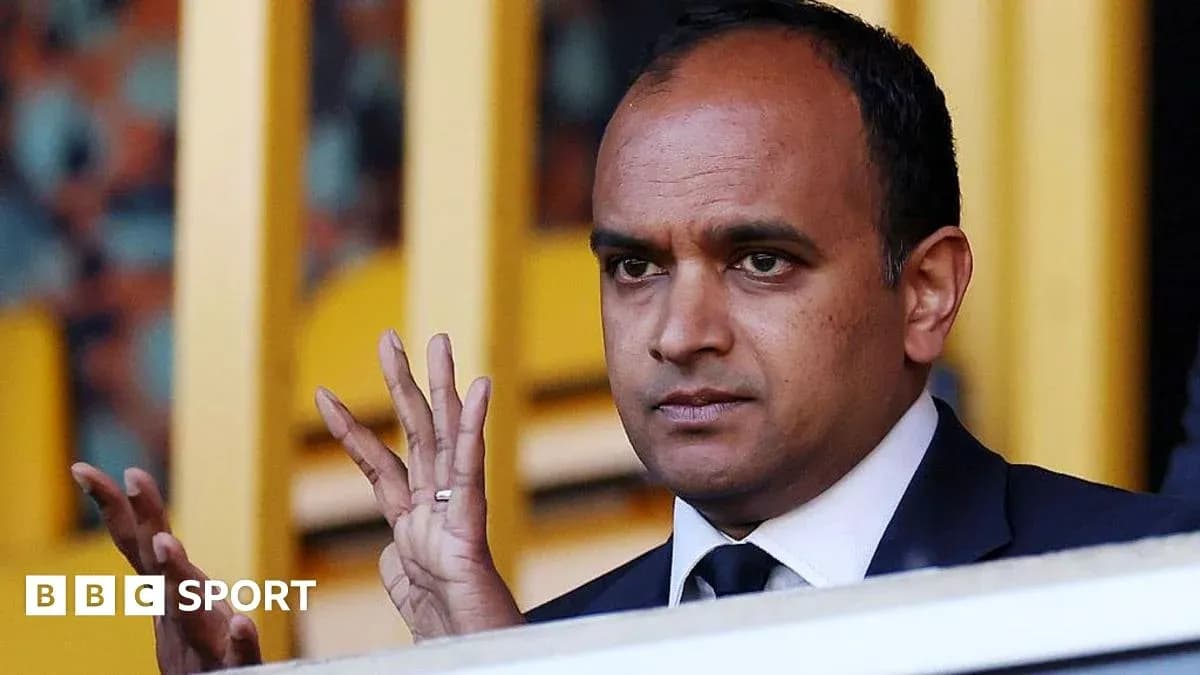
Vinai Venkatesham walked into Tottenham Hotspur last June talking about Europe. He ended his first season clinging to the Premier League cliff edge, celebrating survival with something closer to exhaustion than joy.
“It was just a huge outpouring of relief,” he admitted after the final‑day win over Everton that finally dragged Spurs over the line. Relief, not glory. Nowhere near the standard he believes the club should live by.
From European ambitions to a “complete reset”
On day one, Venkatesham thought a push for European places was a realistic target for the men’s first team. Spurs had just finished 17th under Ange Postecoglou, but they were fresh from winning the Europa League, their first trophy since 2008, and the squad was full of internationals. From a distance, the job looked like a tune-up, not major surgery.
A few months inside the building changed that view.
“When I was no longer an outsider, I would have told you the club was in a significantly worse state in some places than I thought,” he said. This wasn’t a tweak. “It was really a complete reset.”
Off the pitch, he found strength. Stadium operations, commercial work – those departments, he insists, are in good shape. The problem lies where it hurts most.
On the football side, he saw a club that had stood still while the rest of the Premier League sprinted past.
Over the last five years, rivals have poured money, expertise and obsession into marginal gains. Tottenham, he concluded, lagged badly in “many of those areas”, in some cases “really quite worryingly so”. The phrase he kept coming back to was damning: there was not “a relentless obsession with football success”.
Even the training centre, widely admired as one of the best in the world, jarred with him. “When you look around, it looks more like a five-star hotel than it does a performance environment. That will change over the summer.” The message is clear: the club has to feel less like a luxury retreat and more like a place built to win.
“I think there are many areas where the club hasn’t got the right level of expertise,” he added. That is the reset he is talking about.
Frank, delay and the Tudor misstep
On the pitch, the season started with a deceptive calm. Under Thomas Frank, appointed last June, Tottenham lost just one of their first 10 games in all competitions. The numbers flattered them. Performances frayed, belief drained, and by the time Frank was sacked in February, the only surprise among supporters was that it had taken so long.
Venkatesham and sporting director Johan Lange came under heavy fire for that delay. The accusation was simple: the club had been passive while the season burned.
“Absolutely not true,” Venkatesham countered. Behind the scenes, he says, they weighed everything: results, the likelihood of Frank turning things around, the risk of changing manager in the middle of the January window, the fixture list, the thin options in the interim market. Every lever was examined, he insists. None of it stopped the slide.
When they finally pulled the trigger, they aimed high. Venkatesham confirmed that Tottenham tried to persuade Roberto de Zerbi, then leaving Marseille, to take the job on a permanent basis immediately. De Zerbi declined a mid-season move. That refusal sent Spurs into the murky waters of the interim market.
They emerged with Igor Tudor.
It was a left-field appointment and, as it turned out, the wrong one. Tudor arrived with a reputation for impact, for handling high-pressure jobs, for a personality very different to Frank’s. Tottenham wanted someone who wouldn’t wilt, someone to jolt the dressing room. They got a coach with no Premier League experience and a spell that lasted just seven games before both sides agreed to part.
“Was it a risk in appointing him? Absolutely,” Venkatesham admitted. Asked if it was a mistake, he didn’t duck. “It didn’t work out. I think it’s very clear it didn’t work out. And I don’t think that is in question.”
Abuse, anger and a fanbase out of patience
For years, Daniel Levy absorbed most of the fury when things went wrong at Tottenham. His departure in September after 25 years in charge changed the dynamic. With Levy gone, the spotlight swung sharply onto the new chief executive.
Two consecutive 17th‑place finishes have left sections of the fanbase seething. The abuse has been direct and, at times, personal.
“I understand the frustration,” Venkatesham said. “It’s clearly not good enough.” He describes the anger as “rational, normal, sensible” for a club in this position. The problems, he stresses, are deep-rooted. “They built up over many years. I wish I could wave my magic wand and fix them overnight, but that is not possible.”
So he braces himself. “I have complete confidence in what we’re doing, how we’re doing it. But supporters are rightly impatient. So I have to weather that storm.”
He has seen this before. Fifteen years in football, including a long spell at Arsenal, have hardened him. “You have to develop a thick skin,” he said. Criticism, he accepts, comes with the territory. What worries him is how often it crosses the line – for players, referees, executives alike.
None of that changes the table. None of it excuses the football. It simply underlines the pressure cooker he walked into – and still stands in.
De Zerbi’s jolt and a new direction
If there was one decision that did work, it came late. De Zerbi, initially unwilling to step in mid-season on a permanent basis, eventually arrived to steer the club through the final stretch. His impact has been immediate.
Eleven points from seven games under the Italian kept Tottenham in the division. That is the headline. Inside the dressing room, those who work with him talk about something deeper: belief returning, standards rising, a clarity of idea that had been missing.
“I think he has made an extraordinary impact so far,” Venkatesham said. He is careful to add that it is “early days” and that De Zerbi walked into a very specific, high-pressure situation. But the admiration is obvious.
“It is hard to underestimate the scale of the challenge he walked into. And it’s hard to describe what a significant impact he has had in the dressing room with all the players. I think he’s an excellent coach, and we think that he plays the style of football that our supporters and the broader football public want to see.”
This is the football Spurs want to build around. This is the voice they want at the centre of their recruitment.
De Zerbi is expected to be fully involved in shaping the squad this summer. Tottenham have already spoken to former Borussia Dortmund sporting director Sebastian Kehl as they look to strengthen the football structure. At the same time, Venkatesham confirmed the club have raised their wage ceiling in an attempt to attract higher-calibre players.
The diagnosis of the squad is blunt. “The squad needs work and the squad hasn’t got the right balance,” he said. Experience, leadership, physical robustness – all are on the shopping list. The Premier League exposes any weakness, and Tottenham have been feeling that for two seasons.
“We need to strengthen the club over multiple transfer windows,” Venkatesham said. “But this transfer window, in particular, is going to be critical.”
Survival has bought him and De Zerbi time. Not much, and not forgiveness, but time. What they do with this summer – how ruthless the reset really is – will decide whether this season was the bottom of the curve, or just another warning Tottenham failed to heed.