StubHub Faces Legal Action Over World Cup Ticket Cancellations
The countdown to kick-off had already begun when Mark Gallagher’s World Cup dream vanished.
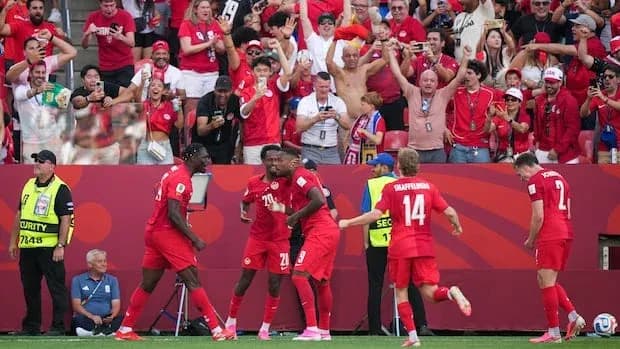
Hours before Canada faced Qatar in Vancouver on June 18, the Vancouver resident saw his $11,407 pair of prime seats — bought back in February — abruptly cancelled by StubHub. For weeks, days, even hours leading up to the match, he’d been told the tickets would land in his FIFA account.
They never did.
He got his money back. He did not get his night back. Now he wants something else.
On Wednesday, Gallagher filed a proposed class action in Vancouver on behalf of Canadian ticket buyers, accusing StubHub of promising tickets “which they knew would not or could not be honoured” and alleging a “conspiracy of deception.” The claim, the first of its kind in Canada against the resale giant over World Cup cancellations, has not yet been tested in court, but it plugs directly into a growing legal backlash already underway in New York and California.
Gallagher’s complaint is simple and stinging: a refund doesn’t cover the loss of a once‑in‑a‑lifetime match.
StubHub, armed with its heavily marketed “FanProtect Guarantee,” insists its aim is to get “every fan into their event, every time,” and says it always wants to find replacement tickets rather than issue refunds. Yet a CBC News investigation has uncovered waves of customers across North America who say they’ve been left chasing money, answers, or both.
What they’re discovering is a system that protects the ticket price — and little else.
Travel, hotels, memories — all on the fan
Ask Kelly Mongillo what the guarantee is worth.
She drove 10 hours from Barrie, Ont., to New Jersey with her elderly father to watch a World Cup match on June 13. She spent about $1,800 on tickets through StubHub and another $2,500 on hotels, gas and food. They reached the stadium. They waited outside the gates.
Then the cancellation hit.
Game day. No tickets. No entry.
Mongillo says StubHub’s response has been dismissive and that its FanProtect Guarantee gives buyers “a false sense of security.” The guarantee doesn’t cover her “significant financial losses and disappointment,” and she says repeated assurances that replacement tickets would be provided never translated into compensation for travel costs.
The reason sits in the fine print. StubHub’s “Global User Agreement” includes a waiver that seeks to block Canadian and U.S. customers from suing to recover anything beyond the face value of the ticket — no hotels, no flights, no legal fees.
When Mongillo went public in June, StubHub stepped in with an offer: a refund and replacement tickets for another World Cup game in Toronto. Her father couldn’t make that trip, but she took the tickets.
The promised cash refund, she says, never arrived. StubHub, she claims, has since backed away from that part of the deal.
The clock runs faster when a lawyer steps in
Not every fan has the appetite — or the budget — to fight. StubHub’s refund timelines test both.
Jennifer Hale in Toronto paid nearly $3,000 for tickets to a Team Canada match on June 12. StubHub cancelled. She immediately asked for her money back.
More than a month later, she was still waiting.
Hale says she has spent hours on the phone, repeatedly told to wait “72 hours,” only for the deadline to roll over again and again. The latest explanation she received: it could take up to 45 days.
Contrast that with what happened to Denis Radetic of Georgetown, Ont.
After a month of delays and excuses, Radetic hired a U.S. lawyer who has been contacted by hundreds of furious StubHub users. In a sharply worded letter threatening further legal action, Radetic demanded a refund plus $3,000 US in legal fees, accusing the company of “potential fraud … negligent misrepresentation, breach of contract.”
The response was swift. On Sunday, StubHub reached out and refunded his credit card.
The company declined to explain why customers who bring in lawyers or go to the media suddenly find their cases handled with urgency while others are told to wait. To cap the experience, StubHub sent Radetic a survey asking how he enjoyed the game.
He never saw a minute of it.
Arbitration maze and moving goalposts
Fans who don’t get satisfaction from customer service are pushed toward a different arena: U.S.-based arbitration.
StubHub’s official policy instructs unhappy buyers and sellers to file “notices of dispute” through this process. On paper, it’s an alternative to court. In practice, critics say, it’s a maze.
Brad Clements, a Menlo Park, Calif., lawyer who helped Radetic and now represents hundreds of StubHub users in both the U.S. and Canada, says the system is built to wear people down.
He points to one detail that infuriates him: StubHub has changed the certified-mail address for notices of dispute seven times in 14 months. Each change forces consumers to track down new information, re-send documents, or risk missing technical requirements.
On StubHub’s Canadian site, StubHub.ca, there is no clear information at all on where or how to file these official disputes.
StubHub declined to answer why the address keeps changing or why the Canadian site doesn’t spell out the process. Clements doesn’t mince words. He believes the design is deliberate — to intimidate, to delay, to make it “godawful” to pursue a claim so that fewer fans bother, and fewer ever talk about winning refunds, interest, or punitive damages.
How StubHub profits even when fans lose
Most fans assume StubHub takes a hit when a sale collapses. The reality is more complicated — and more profitable.
Randy Nichols, a New York–based band manager familiar with the ticketing industry, says StubHub can actually make money on cancelled orders. After it refunds the buyer, the company goes after the seller, charging them the full ticket price as a penalty even though StubHub never held the ticket itself.
StubHub’s own seller policies spell it out: if a seller “dropped” a sale, the company will charge “the greater of (i) 100% of the price of the ticket(s) sold or (ii) the full amount incurred by us to remedy the dropped sale.”
Nichols’s conclusion is blunt: StubHub “makes money on every order that they don’t fulfill.”
The logic, according to the company, is to deter fraudulent listings and no-shows. The effect is that the platform can turn a failed transaction into a revenue stream, while the fan is left outside the stadium holding a refund — and little else.
StubHub declined to comment on how much it earns from these penalties.
The interest game
Then there’s the money StubHub holds in the meantime.
In Spokane, Wash., Jeff Ripley is taking StubHub to arbitration, arguing that a simple refund doesn’t cover what the company gained by sitting on his cash. He bought World Cup tickets in December. They were cancelled on game day.
For months, StubHub had his money. He had nothing.
Ripley argues that while fans wait, StubHub collects interest on those funds. He wonders how many thousands of customers are in the same position.
StubHub reported earning $41 million in interest in its November 2025 earnings report for the previous year. The company facilitated the resale of $9.2 billion in tickets globally in that period, handling vast flows of customer money.
StubHub would not comment on the interest it earns from holding fans’ funds or on whether any of that is shared back when tickets are cancelled.
Ripley likens the model to a bank receiving free loans from customers who never agreed to become lenders. In his view, StubHub behaves like a financial institution — taking deposits, earning interest — without the oversight or obligations that come with that label.
“There has to be some accountability for companies that are taking money, earning interest on it and then not providing a product,” he says.
For Gallagher, Mongillo, Hale, Radetic, Ripley and the many others now lining up lawyers, filing arbitration claims, or joining class actions, that accountability may finally be coming. The question is whether it arrives before the next wave of fans hands over their money and trusts a guarantee that, for now, stops at the stadium gate.