South Africa's World Cup Preparations Stumble in Goalless Draw with Nicaragua
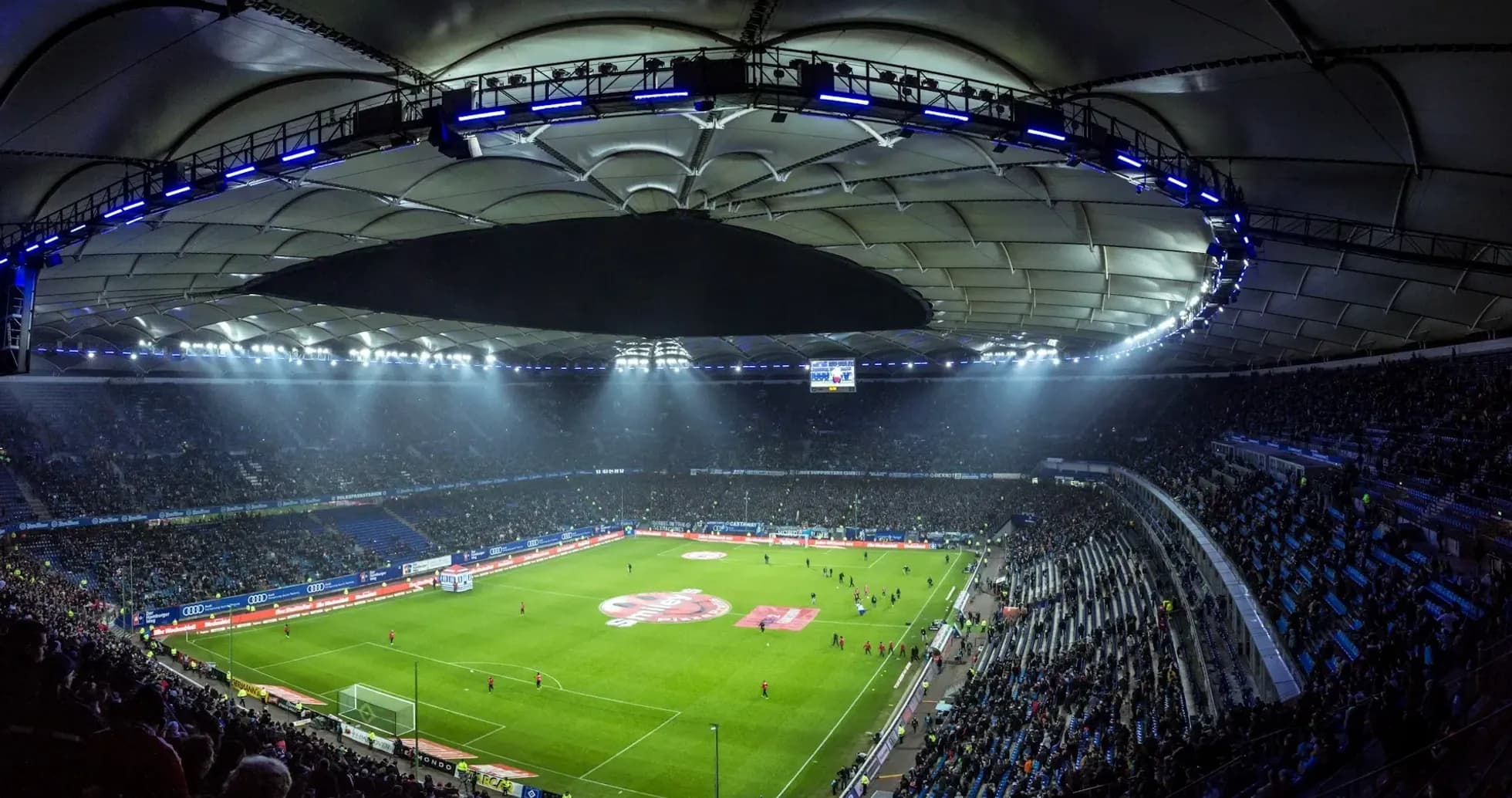
South Africa wanted rhythm, confidence and a statement win. They walked away from Orlando Stadium with none of the above and a goalless draw that will nag at them all the way to the 2026 World Cup.
Against a Nicaragua side that will watch the tournament from home, Bafana Bafana dominated territory, dictated tempo and carved out enough chances to win twice. They still could not find a way past Adonis Pineda, the Nicaraguan goalkeeper who turned a low‑key friendly into the biggest night of his international career.
A World Cup side without a cutting edge
Hugo Broos’ team, drawn into Group A with Mexico, Czechia and South Korea, came into this game looking for a final spark. They got control. They got pressure. They did not get goals.
From the opening minutes, the pattern was obvious. Nicaragua dropped deep, retreated almost on instinct, and let South Africa have the ball. Thabang Matuludi and Samukele Kabini pushed high from full-back, the midfield two of Sphephelo Sithole and Thalente Mbatha kept recycling possession, and captain Themba Zwane tried to thread passes into the front three.
The first warning sign? Wastefulness.
On 16 minutes, Sebelebele burned his marker on the wing and whipped in a perfect cross. Zwane met it but could not steer it on target. Soon after, a free-kick in prime position was ballooned into the Johannesburg sky. The moves were slick. The finishes were anything but.
When Nicaragua did venture forward, it was sporadic. Jonathan Moncada sliced one effort wide from the edge of the box. Raheem Cole tried his luck from distance and sent the ball high. They were half-moments, not real threats. South Africa were in charge, but they were not ruthless.
The missed penalty that changed the mood
Then came the flashpoint.
Three minutes before half-time, Sebelebele went down in the box. Nicaragua’s defenders exploded in protest, convinced it was a dive. The referee pointed to the spot. It was a soft call, the kind that often fuels talk of “football gods” and karma.
Lyle Foster stepped up with a stuttering run‑up that never looked convincing. His shot cannoned off the post and back out. No rebound, no scramble, just a hollow thud and stunned faces in green and gold.
That moment cut through the stadium. South Africa walked to the tunnel with the better play, the clearer chances, and nothing on the scoreboard. Bitter expressions told their own story.
Pineda’s night, South Africa’s frustration
The second half brought changes and, briefly, a surge.
Hugo Broos rang the changes at the break. Ricardo Goss, Sebelebele, Moremi, Foster and Zwane made way. On came Sipho Chaine in goal, plus Oswin Appollis, Thapelo Maseko, Iqraam Rayners and Relebohile Mofokeng. Fresh legs, fresh pace, and finally some chaos in the final third.
Appollis, the Orlando Pirates winger, immediately lit up the right flank. In seven minutes he produced more direct threat than the entire first-half front line. He drove at defenders, beat men, and forced Pineda into work.
Twice in quick succession, early in the half, Appollis helped carve out chances that Pineda smothered. Then Maseko cut inside and curled a dangerous effort that the goalkeeper read and saved again. A deflected shot looped awkwardly and almost beat him, but he adjusted, backpedaled and gathered. Every time South Africa thought they had him, Pineda’s hands or positioning said otherwise.
The pressure finally told on Nicaragua’s legs, if not on the scoreboard. Cross after cross rained in. Shots came from the edge of the box. Mofokeng had a clear sight of goal and dragged it wide. Another effort skidded low and past the post. The volume of chances grew; the composure did not.
Then came the defining sequence of the match. With the game drifting, Pineda produced a superb double save. First he reacted to a deflected header, then sprang up to block the rebound. It was the kind of intervention that wins tournaments for big nations. On this night, it simply preserved a famous draw for a smaller one.
By the 75th minute the match slipped into a gray zone. The pace dropped. Nicaragua sat even deeper. South Africa probed but with less conviction, as if the weight of each miss was starting to drag at their legs as much as their minds.
Six minutes of stoppage time offered one last chance to change the narrative. The pattern stayed the same. Attacks, half-chances, wrong decisions at the last touch. The whistle went. 0-0. Groans in the stands, relief in blue and white.
Nicaragua’s historic night
Nicaragua did not come to Johannesburg to trade punches. They came to survive. They did that and more.
Their attack was almost non-existent, limited to hopeful efforts and the odd set piece. Yet their defensive structure held. The back line, marshalled in front of Pineda, scrambled when they had to and cleared their lines when panic beckoned. For a nation that “usually gets trumped on the world stage,” as their own media often put it, this was a result to remember.
They will not be in North America in 2026. They will, though, point to nights like this as proof that they can compete, at least in moments, with World Cup-bound sides.
Questions for Bafana Bafana
For South Africa, the questions pile up quickly.
The athleticism is there. The structure is there. The right flank, both before and after the break, repeatedly opened Nicaragua up. Yet in front of goal, Bafana Bafana looked exactly what they cannot afford to be in a World Cup group with Mexico, Czechia and South Korea: blunt.
A missed penalty from Foster, a string of wasted crosses, free-kicks sent into orbit, and a host of shots dragged wide or straight at the keeper turned what should have been a routine win into a warning.
This was supposed to be a confidence builder. Instead, it felt like an alarm bell.
The World Cup is days away. The opponents will be sharper, the stakes far higher, and the margins even thinner. South Africa know they can dominate a game. The real issue now is simple, and brutally clear: when the next chance comes, will anyone finish it?