Socceroos Struggle Against USA: A Pantomime of Football
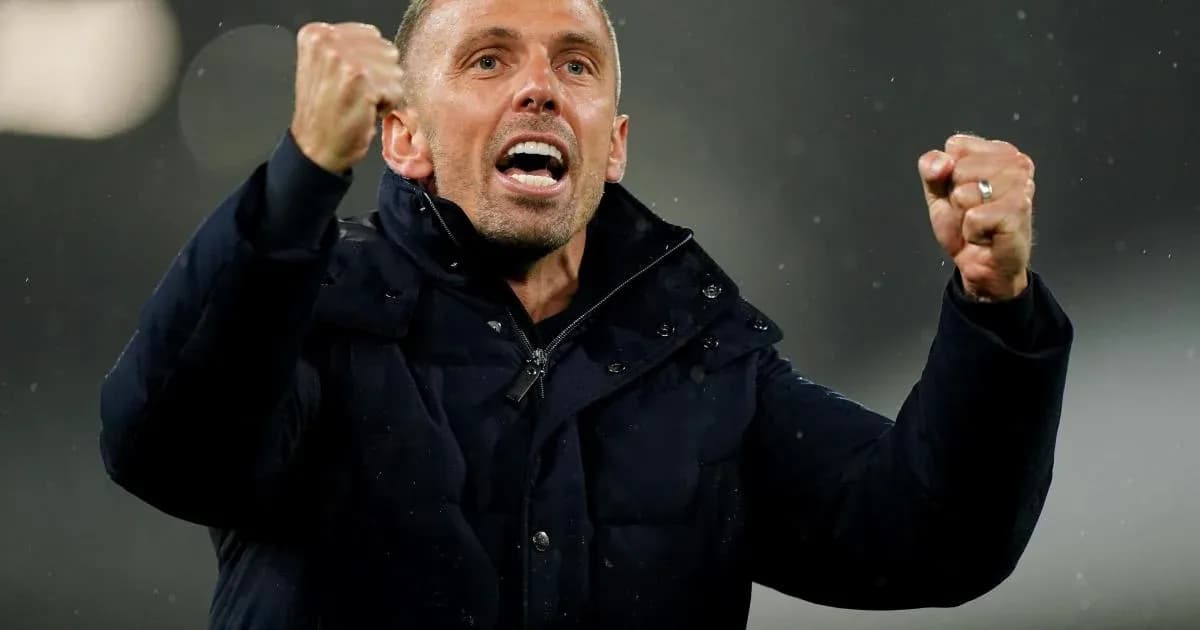
The roar inside Enmore’s Golden Barley had been relentless from the moment the doors opened. Booing every glimpse of US manager Mauricio Pochettino on the big screen. Groans and jeers for the military flyover before kick-off. A pub full of Sydneysiders leaning hard into the pantomime of international football.
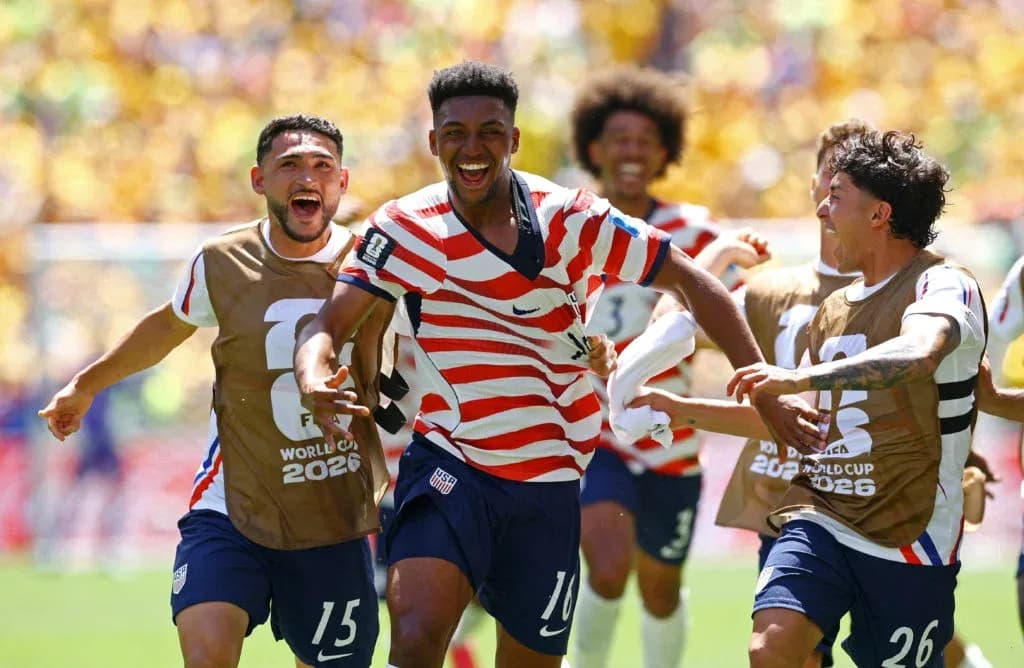
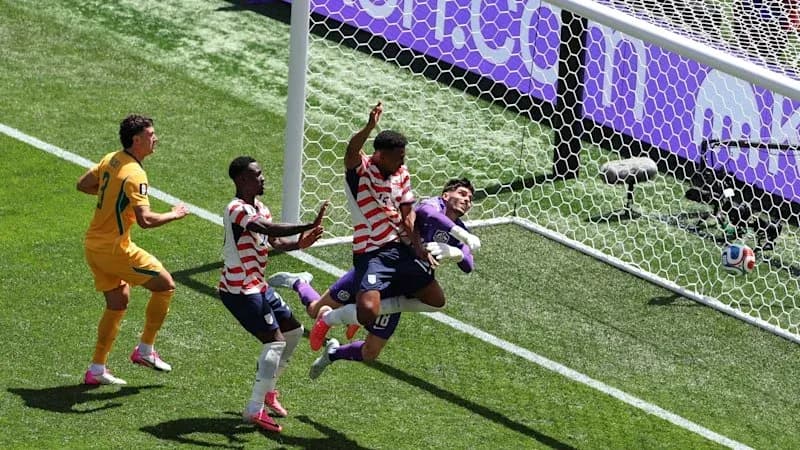
Then Cameron Burgess scored early for the USA, and the noise vanished.
You could hear the scrape of a barstool, the clink of a glass. That kind of silence. The goal hit like a bucket of cold water, and as the Americans tightened their grip on possession, the mood shifted from rowdy to raw. When a contentious decision went the USA’s way before their second goal, the anger briefly returned, but it carried a different edge — frustration, not fun.
One punter muttered that he might as well go home.
He didn’t. Nobody did. Half-time arrived and the ritual took over: a rush for fresh pints, trays of party pies, a queue for the bathroom. The place reset. This crowd has seen too much football, and too much of the Socceroos, to walk away with 45 minutes still on the clock — especially with Nestory Irankunda still to come.
“It’s not over yet,” another fan declared, half to his mates, half to himself.
Wise words. Play on.
Heat, hard truths and a tactical puzzle
On the touchline, the reality was more brutal than the bravado in the bar. Socceroos assistant coach Paul Okon cut straight to it when he spoke to SBS.
“Conceding so early wasn’t ideal,” he said. No dressing it up.
The conditions weren’t helping. It was hot, and Australia looked like they were running through treacle. The defensive line sat too deep, unable to squeeze high enough to harass the US backline or disrupt their rhythm. Every time the Socceroos tried to step up, the Americans found space and punished the gaps.
“We struggled a little bit in the heat. We’re not getting our line high enough to put pressure on the ball. But it’s difficult,” Okon admitted.
The danger, he warned, was panic. Abandoning structure. Chasing shadows.
“What we don’t want to do is fall out of our structure and start chasing the ball. We need to stay compact as much as possible and obviously try and have enough legs that once we get the ball we can hurt them.
“We’ll see some fresh legs in the second half, a bit of speed to hurt them once we have the ball.”
Those fresh legs were already warming up.
Last weekend’s scorers, Nestory Irankunda and Connor Metcalfe, were sent on, along with Jason Geria. Toure, Velupillay and Burgess made way. Mathew Leckie slid across to the left, Metcalfe took up residence on the right. A reshuffle born not of luxury, but necessity.
Australia had to change something. The USA were better everywhere.
Fed Square: soaked, sleepless, and still singing
While Sydney sweated, Melbourne shivered.
At Fed Square, the faithful had queued from 2am, shrugging off the kind of persistent rain that usually empties city centres, not fills them. They came layered in green and gold, some in ponchos, some in jerseys, all in defiance of the weather and the scoreboard.
They got the full big-event mix: flares punching colour through the drizzle, a beach ball bouncing across raised hands, songs rolling around the square. The football on the screen might have been one-sided, but the atmosphere refused to follow the script.
Mel, a regular at Fed Square for two decades, turned up in a Socceroos shirt and a costume that made it look like he was being carried on the shoulders of Donald Trump. A visual protest, a joke, a statement — take your pick. Asked who would win, he didn’t blink.
“Aussies of course.”
Not everyone was so sure. For Madison Cambora, it was the first time dragging herself out of bed in the middle of the night to make the pilgrimage to Fed Square. The experience, she said, was worth it for the atmosphere alone, even with the USA in control.
“I hope they come back from this,” she said. “I’m hoping all good things, but it’s not looking good.”
On the pitch, the evidence backed her caution. The Americans dominated physically, psychologically, technically. They snapped into every 50-50, forced turnovers, and pounced on Australian errors. Every duel seemed to end the same way: USA on the ball, Australia chasing.
They looked sharp. Confident. In command.
For Tony Popovic’s side, the path back into the game narrowed with every passing minute. Sit deep and they’d be smothered. Open up and the USA would feast on the space. Yet there was no alternative now but to attack, to risk being picked off in search of a lifeline.
At a minimum, Irankunda had to start the second half. Not as a token gesture, but as a genuine threat — someone to give the American backline a problem, to tilt the pitch even slightly back towards green and gold.
Because right now, the USA had nothing to worry about.