PSG Retains UEFA Champions League Trophy Amid Streaming Surge
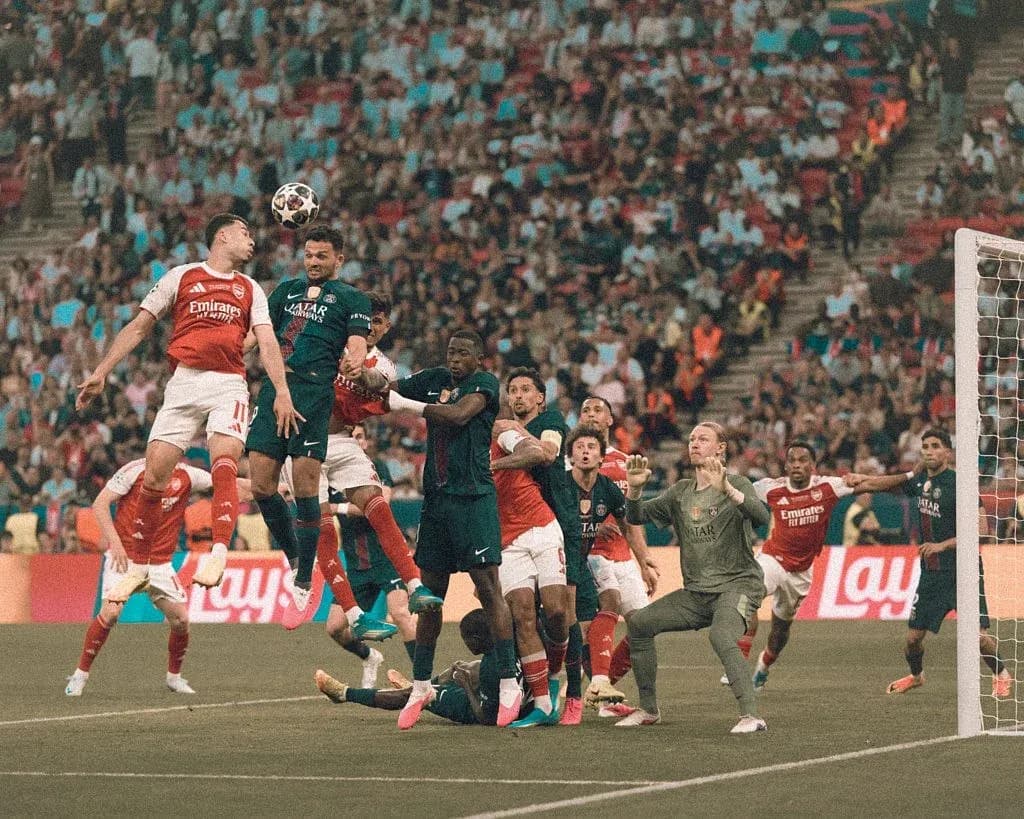
On a warm night in Budapest, PSG kept their hands on the UEFA Champions League trophy. The holders edged Arsenal 4-3 on penalties after a tense 1-1 draw at Puskás Aréna on 30 May 2026, sealing back‑to‑back European crowns and breaking English hearts.
But the real shock of the evening didn’t come from 12 yards. It came from the way the world watched.
A final that broke out of the stadium
Across four key markets – the UK, France, Hungary and the United States – the game pulled a combined audience of 33.7 million. A strong number for a club final in a crowded summer dominated by the FIFA World Cup.
The standout figure sat inside that total. In the UK alone, an estimated 16.2 million people watched via illegal streams. Not in pubs, not on subscription channels, but through unauthorised feeds that became the biggest single “broadcaster” of the night. Those streams outdrew the 12.9 million viewers who tuned in through official platforms across all four measured markets combined.
The final was not available free‑to‑air in Britain. Faced with the choice of paying up, missing out, or finding another way, millions chose the third option. The game spilled out of traditional TV and into laptops, phones and living‑room projectors running on shaky connections and mirror links.
The UK delivered the largest audience at 19.4 million, with those 16.2 million illegal viewers dwarfing the 3.0 million who watched through TNT Sports and HBO Max. A further 0.2 million were estimated to have watched out of home.
France, with PSG chasing history, contributed 9.5 million viewers across M6 and Canal+. In the United States, where interest in football has surged in a World Cup year, 4.8 million watched on CBS, Univision and Paramount+. For a match played in Hungary, the reach was global and fragmented, a picture of how elite football now travels.
The spectacle wasn’t confined to sofas. YouGov Profiles estimates that just under 500,000 Arsenal and PSG fans packed into bars and pubs across London and Paris to ride the drama together. Inside Puskás Aréna itself, 61,035 spectators lived every kick in real time, long before the numbers rolled in.
Arsenal lose the trophy, Emirates wins the screen
On the pitch, Arsenal walked away with runners-up medals. On screen, their shirt sponsor stole the show.
YouGov Sport’s Brand Exposure analysis clocked Emirates on the front of Arsenal’s shirts for 2 hours and 52 minutes of on‑screen time, with a Brand Impact Score (BIS) of 3.54. PSG’s front‑of‑shirt sponsor, Qatar Airways, logged 1 hour and 54 minutes and a BIS of 3.25.
That gap matters. It points to Arsenal’s players being shown more often during key moments – attacking moves, last‑ditch defending, close‑ups after chances, and the inevitable replays. Every grimace, every celebration, every VAR wait becomes another hit of brand visibility.
Emirates didn’t just appear more often. It appeared better. The airline’s higher BIS compared with Qatar Airways (3.54 vs 3.22) came from a blend of marginal gains: a slightly larger logo, stronger positioning on screen, more moments where the branding stood alone, and less visual clutter from rival sponsors. Longer average exposure durations helped too, making each appearance count that bit more.
The message for brands is blunt. A losing side, if it plays a full part in the drama, can deliver more commercial value than the champions. Arsenal may not have lifted the trophy, but their sponsor walked away with the richer TV footprint.
Forty‑two billion impressions: the final that wouldn’t end
The noise didn’t stop when the last penalty hit the net.
Across 30–31 May, the Champions League final triggered more than 40,500 social media posts, 13,700 videos and 24,500 online articles. Those pieces of content combined for 42 billion potential impressions, 1 billion video views and 10 billion in potential readership. One match, two days, a digital footprint that dwarfs most seasons.
PSG owned the online conversation. Across their official social media channels, the French club generated 8.6 billion impressions and 418.6 million video views. Arsenal, beaten but far from ignored, produced 3.7 billion impressions and 49.7 million video views.
The difference came from volume and velocity. PSG simply pushed out more content and rode the wave of victory, turning the trophy lift into a sustained digital campaign. Their win extended far beyond the pitch, into timelines and feeds across continents.
When fans become advocates
The value of these partnerships isn’t just measured in seconds on screen or clicks online. It lives in what supporters actually think.
Using YouGov BrandIndex, Recommendation levels for Emirates among Arsenal fans in the UK and Qatar Airways among PSG fans in France were compared to those brands’ standing with the general population. In both cases, club supporters were significantly more likely to recommend the sponsor than the wider public, underlining how deeply these shirt deals have embedded themselves in club identity.
Around the time of the final, Emirates recorded an uptick in Recommendation among Arsenal supporters. That doesn’t prove the match alone caused the rise – brand perception is shaped by many factors – but it shows the partnership had momentum at a moment of peak visibility.
Qatar Airways, by contrast, held consistently strong Recommendation scores among PSG fans across the period measured. The airline’s bond with the French champions appears steady, reinforced by another night of European success.
YouGov Sport’s BIS‑X framework ties these strands together, blending exposure metrics with fan perception and broader brand health. The logic is simple: positive sentiment amplifies the value of every second a logo spends on screen. The stronger uplift in Recommendation among Arsenal fans suggests Emirates didn’t just benefit from more visible branding during the final. It also enjoyed a surge in fan advocacy, deepening the return on its investment.
Beyond the logo count
This final laid bare a new reality for sponsorship in elite football.
Audience numbers still matter. So do logo minutes. But neither tells the full story. A match watched by 33.7 million people, with 16.2 million of them in one country on illegal streams, challenges old assumptions about where value lies and how it should be counted.
To understand the true impact of a partnership now means stitching together multiple layers: who watched, how they watched, how often a brand appeared, how loudly the game echoed on social media, and how fans felt about the sponsors involved.
In a media world splintered across platforms, devices and viewing habits, the Champions League final in Budapest offered a clear lesson: the biggest wins for sponsors may not come from the team holding the trophy, but from the fans who choose to carry that brand with them long after the stadium lights go out.