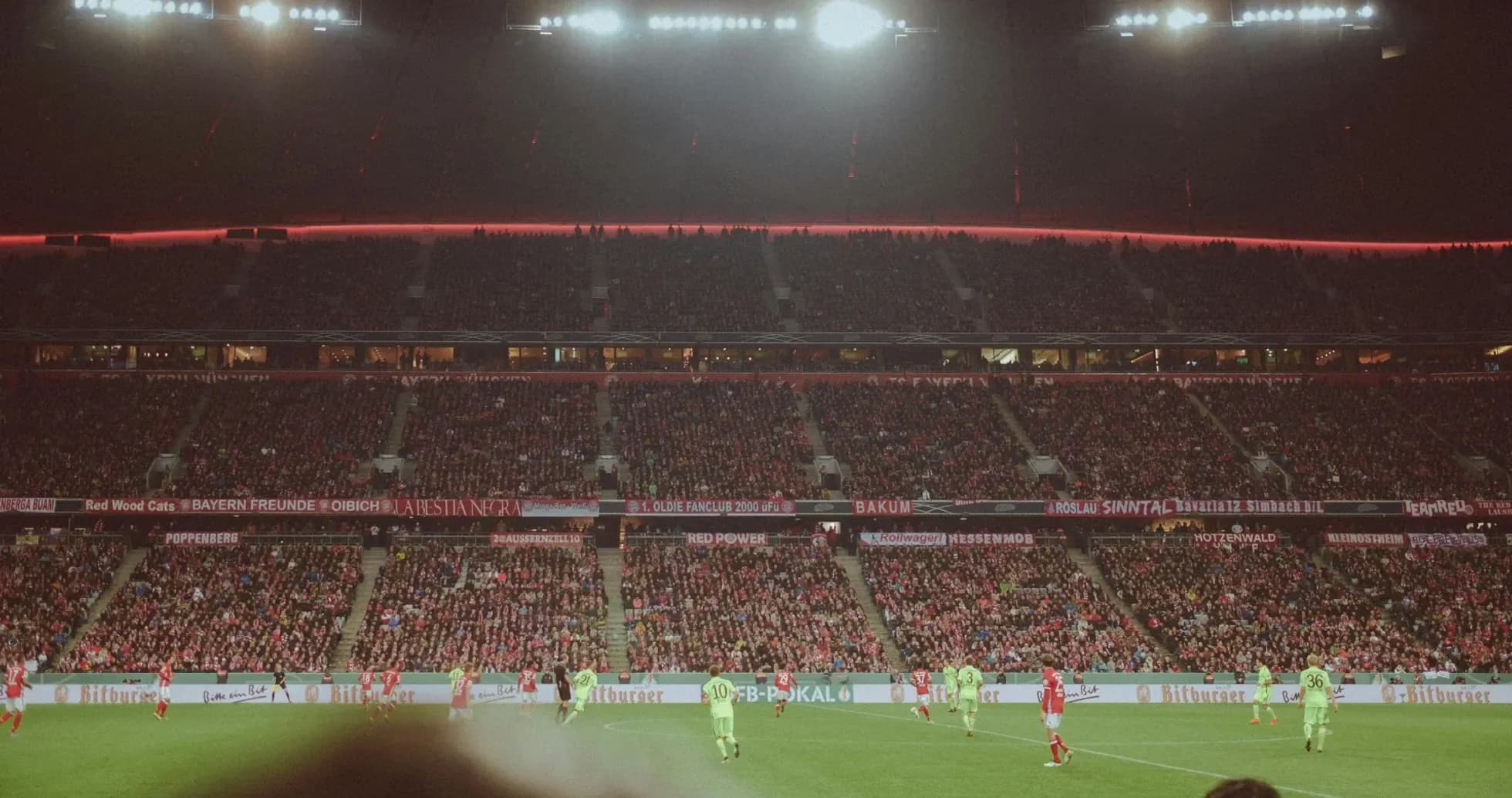
Pittsburgh Riverhounds Edge Indy Eleven in USL Championship Clash
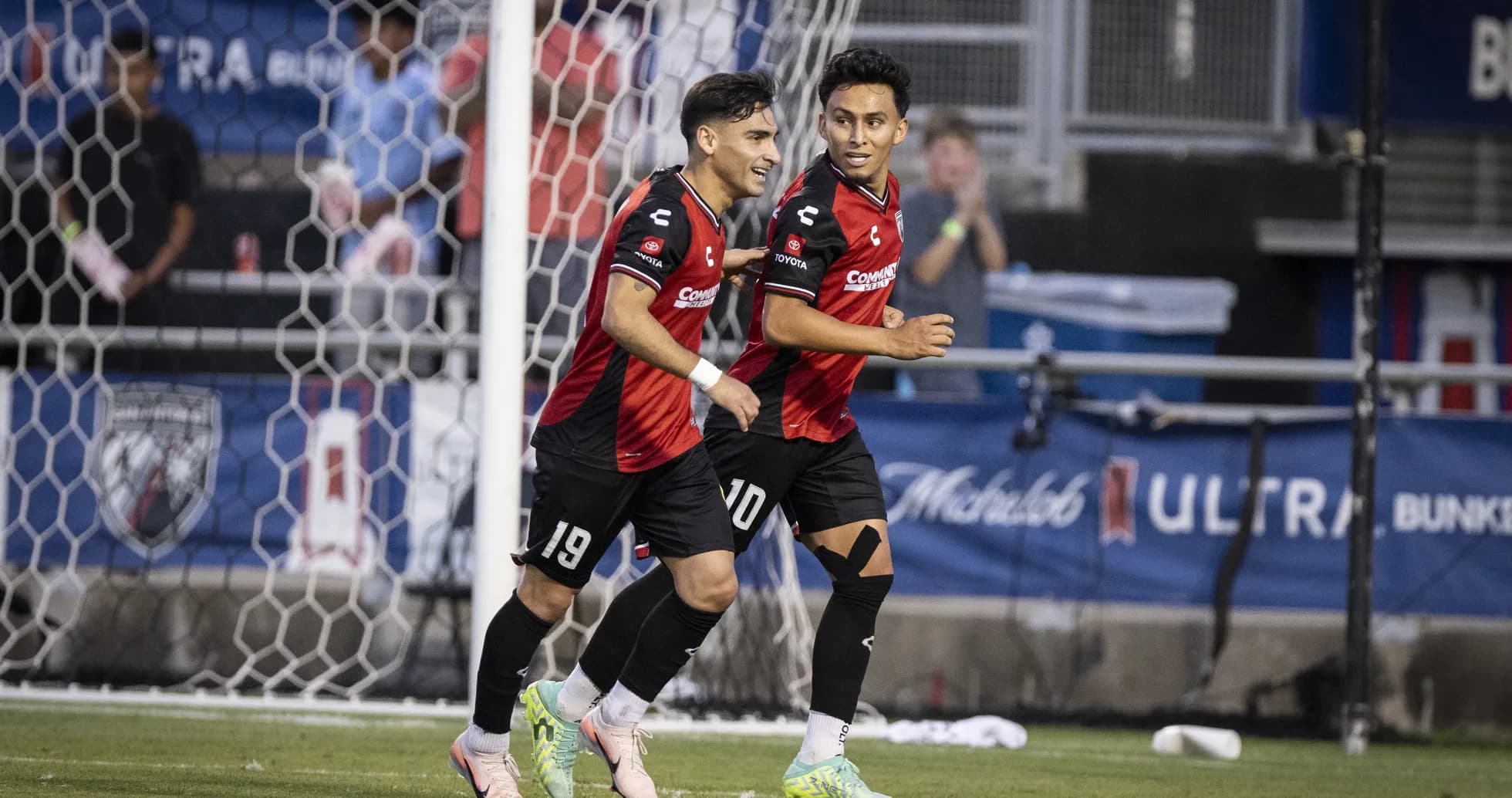
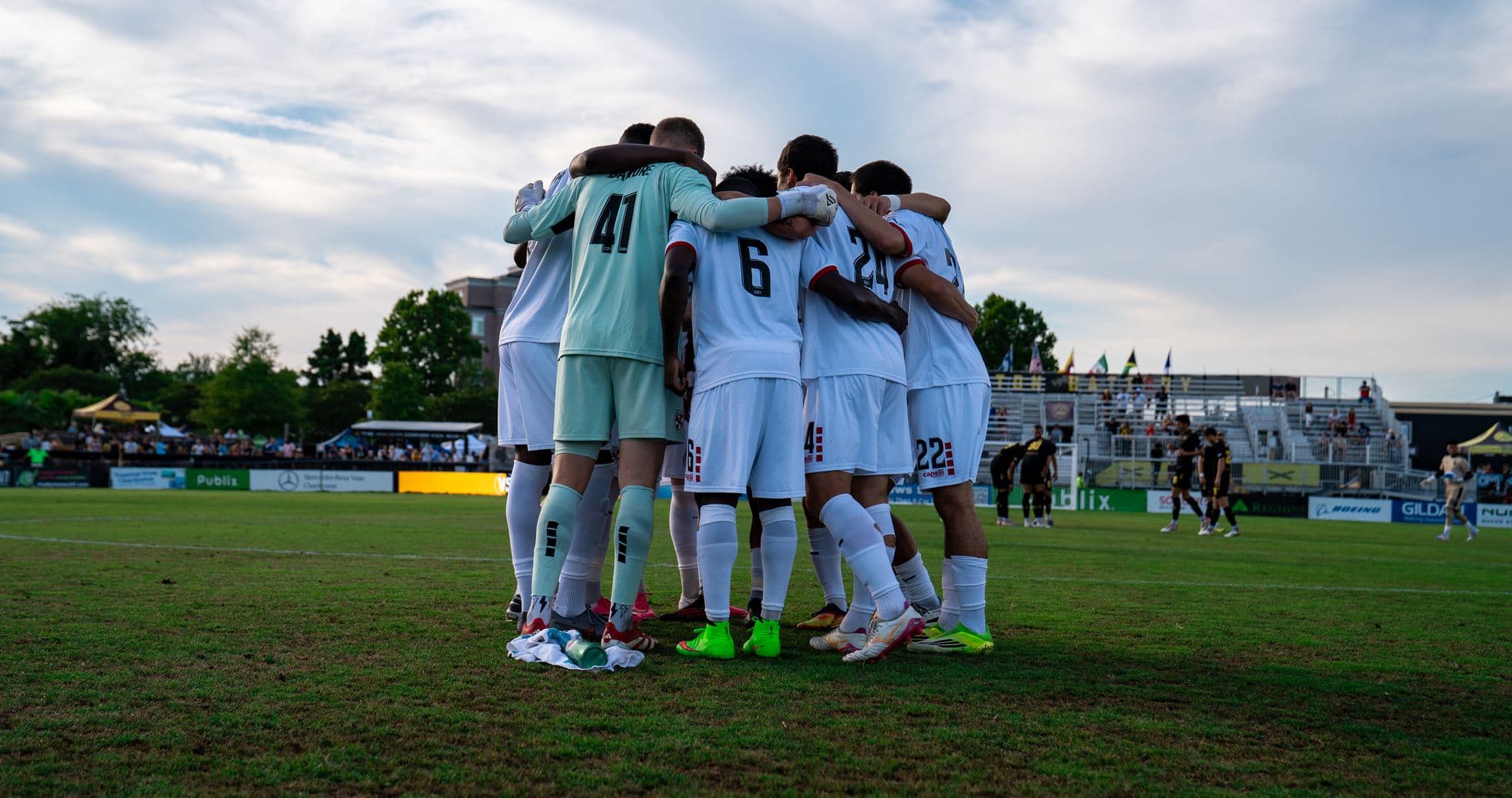
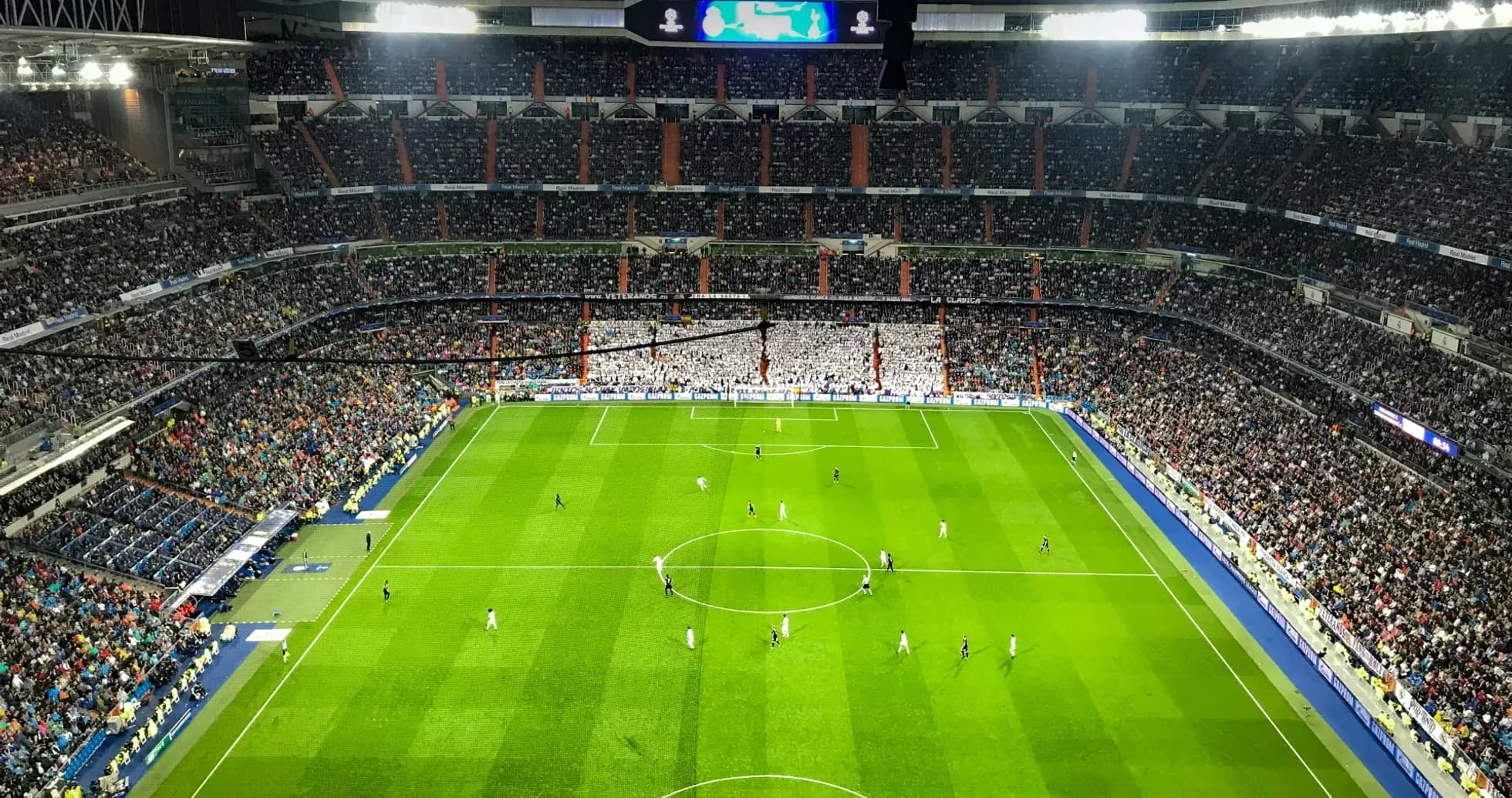
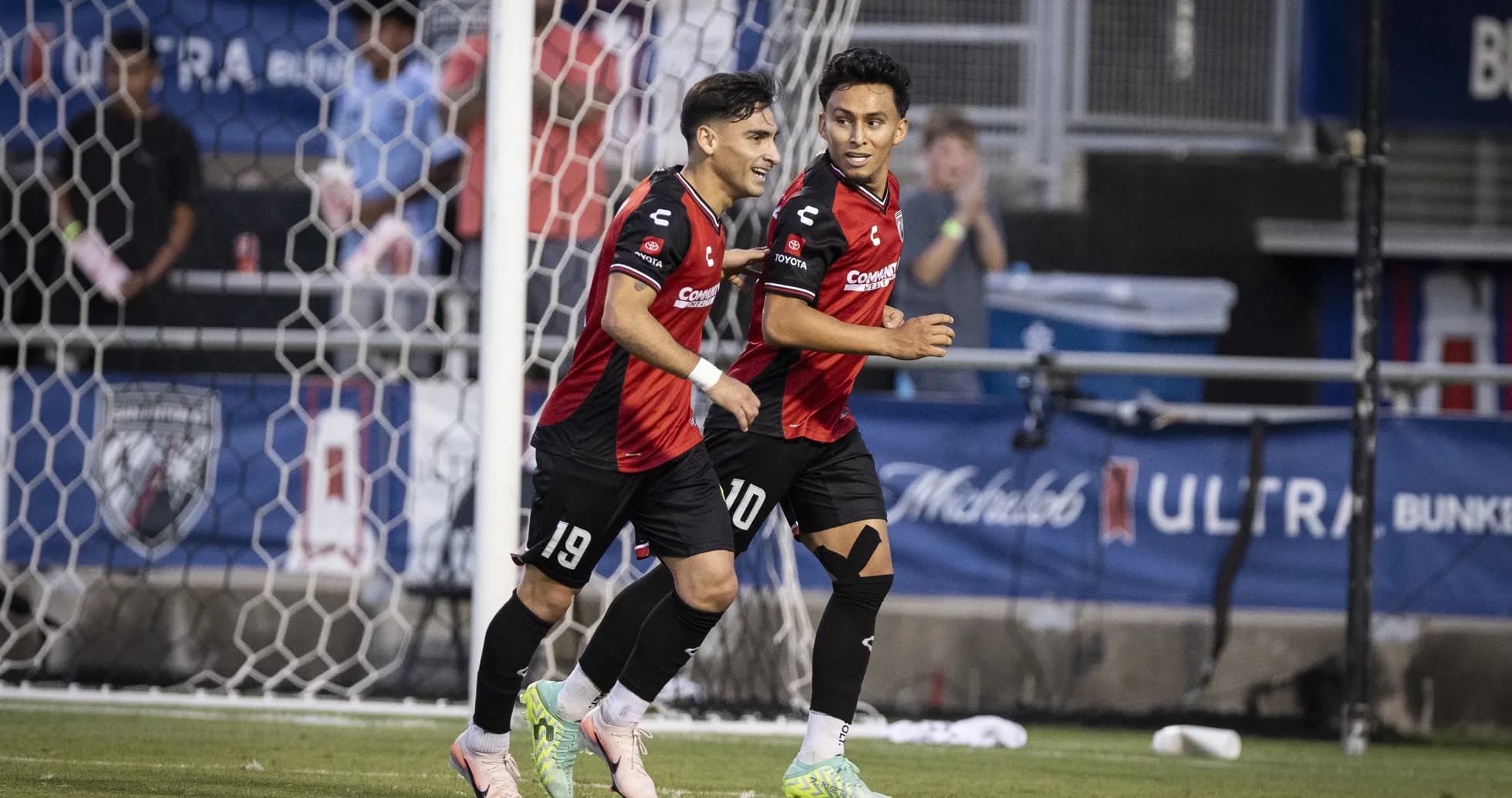
Under the lights at Highmark Stadium, this Group Stage meeting in the USL Championship felt every bit like a playoff dress rehearsal. Pittsburgh Riverhounds, fifth in the table with 19 points and a goal difference of 2, edged a tight, attritional contest 1–0 over sixth‑placed Indy Eleven, who arrived on 18 points with a goal difference of 4. Following this result, the margins between two promotion contenders look even finer, but the stylistic divide between them was laid bare over 90 minutes.
I. The Big Picture – contrasting identities, same ambition
Heading into this game, the numbers already framed the narrative. Pittsburgh’s season had been built on home authority and defensive control: at home they had played 5, winning 4 and losing just 1, scoring 8 and conceding 4. That translated into a home scoring average of 1.6 goals for and 0.8 against, backed by 2 clean sheets at Highmark and 3 overall. Indy, by contrast, were a split personality: at home they were ruthless (6 matches, 5 wins, 12 goals scored, only 5 conceded), but on their travels they were fragile, with 0 wins, 2 draws and 3 defeats, scoring 4 and conceding 7. Their away scoring average of 0.8 and 1.4 conceded hinted at exactly the kind of game that unfolded: Indy competitive, but blunted.
Pittsburgh’s overall attacking output of 15 goals from 11 matches (1.4 per game) and 13 conceded (1.2 per game) had them trending as a balanced, slightly conservative side. Indy’s 16 goals for and 12 against (1.5 scored, 1.1 conceded overall) painted them as a team more willing to trade chances, but that risk‑reward equation has not travelled well.
II. Tactical Voids and Discipline – a game of margins
There were no listed absentees to reshape either side’s core, so this was as close to full‑strength as the data allows us to see. Rob Vincent sent out a Riverhounds XI that felt built for compactness and vertical bursts: N. Campuzano in goal; a defensive line anchored by P. Barnes, V. Souza, O. Mikoy and L. Kelp; with the engine room and attacking lanes patrolled by E. Goldthorp, R. Mertz, D. Griffin, M. Viera, A. Dikwa and the creative fulcrum C. Ahl.
Sean McAuley’s Indy Eleven matched that with a side that, on paper, could control the ball and strike quickly: E. Dick in goal; a back line of L. Neidlinger, M. Rasheed, P. Craig and A. Mitrano; a midfield core featuring C. Lindley, B. Rendon and J. O’Brien; and an attacking trio of J. Blake, L. Mesanvi and E. Kizza.
Discipline has been a quiet subplot for both clubs this season. Pittsburgh’s yellow card profile is spread but spikes around key emotional zones: 20.00% of their yellows arrive between 31–45 minutes and another 20.00% between 76–90, with 13.33% in several other ranges. That suggests a side that pushes physicality to tilt momentum just before half‑time and in the closing stretch. Indy’s distribution is even more telling: 26.32% of their yellows come between 31–45 minutes and 21.05% between 76–90, with additional clusters later on. Both sides tend to live on the disciplinary edge at the same moments, and this match followed that pattern: a tight, often scrappy contest where tactical fouling and game management were as important as any crafted move.
Crucially, neither team has seen a red card in the data provided, underlining that while they flirt with the line, they rarely cross it.
III. Key Matchups – Hunter vs Shield, Engine Room wars
With no explicit top‑scorer data, the “Hunter vs Shield” battle becomes more collective than individual. For Pittsburgh, the “hunter” is their home attack as a unit: 8 goals at home from 5 matches, built around the movement and physical presence of A. Dikwa and the creative touches of C. Ahl and M. Viera. The “shield” they faced was Indy’s overall defensive record of 12 goals conceded in 11 matches (1.1 per game), but that solidity has been heavily home‑weighted. Away, Indy concede 1.4 per game, and that softer underbelly was exposed again by the single, decisive strike.
On the other side, Indy’s attacking threat was meant to come from the interchanges between J. Blake, L. Mesanvi and E. Kizza, supplied by the passing range of C. Lindley and the forward runs of B. Rendon and J. O’Brien. Their “hunter” identity in Indianapolis — 12 goals at home, averaging 2.0 per match — simply has not travelled. Against a Pittsburgh defence that concedes just 0.8 at home and has already logged 2 home clean sheets, that mismatch was decisive. Campuzano’s command of the area, supported by the defensive unit of Barnes, Souza, Mikoy and Kelp, squeezed space and forced Indy into lower‑value shots or turnovers before the final third.
The “Engine Room” duel was where this match was really won. Lindley, Rendon and O’Brien typically dictate Indy’s tempo, but they were repeatedly disrupted by the pressing and positional intelligence of Mertz, Griffin and Goldthorp. Pittsburgh’s midfield three kept passing lanes into Mesanvi and Kizza narrow, forcing Indy wide and into more predictable deliveries. Every time Indy tried to string together their trademark home‑style combinations, the Riverhounds’ block shifted, compressed, and then sprung forward through Ahl and Viera.
IV. Statistical Prognosis – a playoff‑grade template
Following this result, the numbers reinforce a simple truth: Highmark Stadium is becoming one of the league’s toughest away days. Pittsburgh now have 4 wins from 5 at home, with just 4 goals conceded there in total, and their overall goal difference of 2 is underpinned by a defence that is more reliable than their modest scoring suggests. Their penalty record — 2 taken, 2 scored, 100.00% conversion, 0 missed — adds another layer of ruthlessness in tight games like this.
Indy remain a dangerous proposition in the broader picture, with 16 goals scored overall and only 12 conceded, but their away issues are structural, not incidental. An attack that averages 0.8 goals on their travels is not yet calibrated for nights like this, especially against a side conceding 0.8 at home. Their clean sheet total of just 1, and none away, underscores that they often need to outscore opponents rather than shut them down — a risky proposition against disciplined hosts.
If we project forward on xG‑style logic, Pittsburgh’s combination of home defensive solidity and just‑enough attacking punch makes them a classic knockout threat: low‑variance, difficult to break, and clinical from the spot when penalties arrive. Indy’s ceiling remains high, particularly at home, but unless they solve their away inefficiencies, they will continue to be a side that looks like a contender in the table yet runs into a tactical ceiling in playoff‑style away fixtures just like this one.