
Ousmane Dembélé: Ligue 1 Player of the Year Again
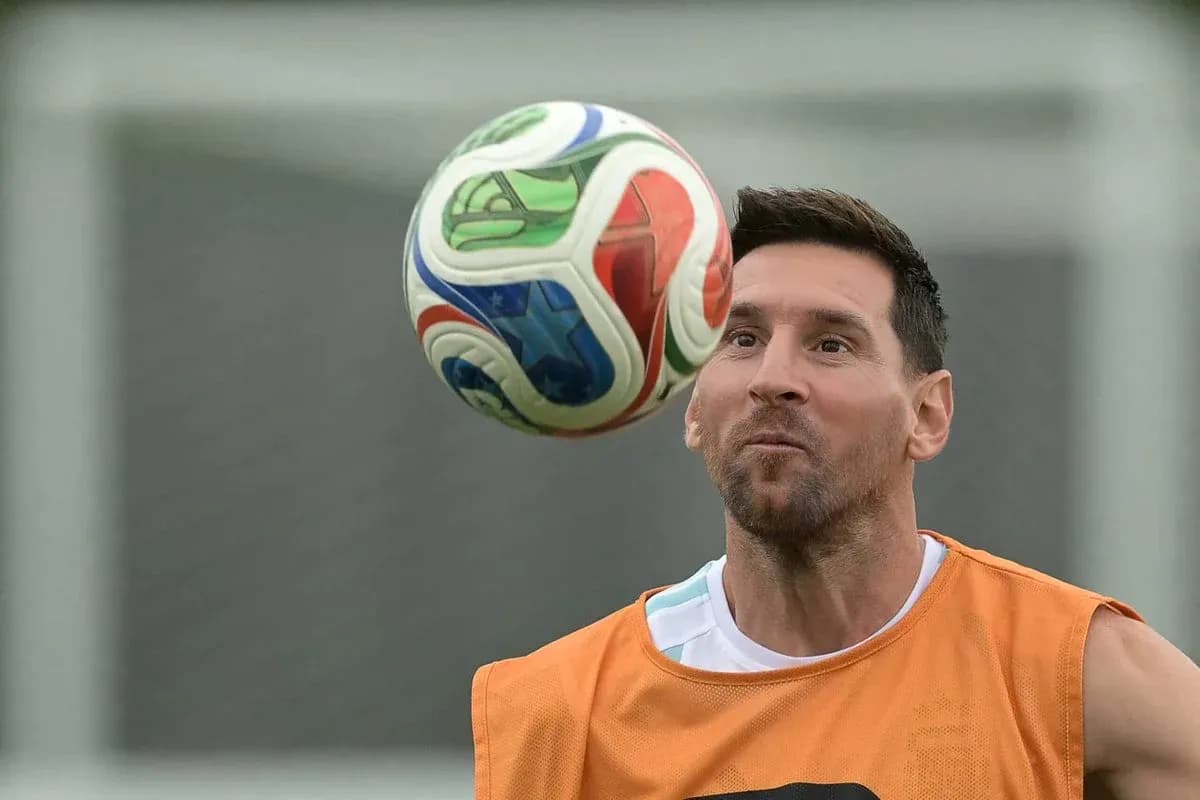
Ousmane Dembélé has been named Ligue 1 Player of the Year for the second season running, and this time there is no sense of him sharing anyone’s stage. The Paris Saint-Germain forward has stepped fully out of Kylian Mbappé’s long shadow and into his own harsh, unforgiving spotlight – and he has owned it.
At 28, with a body that has too often betrayed him, Dembélé has dragged a reshaped PSG attack towards what should be a 14th French title and now a Champions League final against Arsenal. This is no late-career flourish. It feels like the definitive chapter of a talent that has spent a decade flirting with its ceiling.
A season built in fragments
The numbers on his season look almost impossible. Nine league starts. Just 960 minutes in Ligue 1 – barely half of last year’s 1,736. For most players, that profile screams frustration, not domination.
Dembélé bent that logic out of shape.
Ten league goals. Six assists. Impact compressed into short, explosive bursts. When he did appear, games tilted. Defenders didn’t just mark him; they gravitated towards him, dragged out of shape by the constant threat on the right flank. Space opened elsewhere, passing lanes widened, and PSG’s attacks suddenly carried a different menace.
Coaches talk about “gravity” – the way certain players distort a pitch simply by being on it. That has been Dembélé all season. The raw stats tell one story; the way back lines retreat two or three yards when he receives the ball tells the real one.
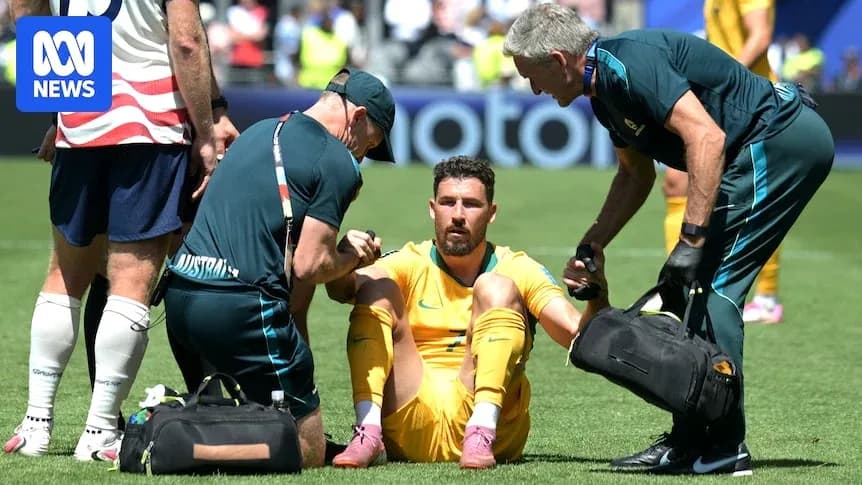
All of this after another year of physical setbacks, the sort that break rhythm, confidence, and often careers. He refused to let them define him. Instead, he turned limited minutes into a ruthless highlight reel.
Joining an elite club
Back-to-back UNFP Player of the Year awards in France are rare air. Dembélé becomes only the fifth player to achieve it. Before the Mbappé era, the last to do so was Zlatan Ibrahimović in 2014 – another PSG forward who bent a league to his will.
Mbappé then turned the trophy into his personal property, winning it five seasons in a row before heading to Real Madrid. Now, in the immediate aftermath of that departure, Dembélé has ensured the prize remains in Paris, but with a very different story attached.
This is not a coronation of the inevitable superstar. It is recognition of a player who has fought his own body, his own reputation, and the doubts that followed him from Dortmund to Barcelona and on to the Parc des Princes.
The night also underlined the depth of PSG’s new era. Desire Doué, Dembélé’s teammate, walked away with the award for best young player of the season, a nod to a squad that feels less like a constellation of egos and more like a structure with layers and succession.
On stage, Dembélé stayed true to type. No grand declarations, no chest-beating. He pushed the praise back towards the dressing room and the staff, talking up the tactical framework and the collective work that has carried PSG through long spells without their stars. The humility is genuine. So is the authority with which he now speaks.
Luis Enrique’s hard reset
None of this happens in a vacuum. Luis Enrique has ripped up PSG’s old script.
The club that once leaned on individual brilliance and disjointed superstar trios now plays with a clear, possession-heavy identity. The pressing is aggressive, coordinated, and unforgiving. Everyone runs. Everyone defends. The system protects the team when big names are missing, and it has had to, given Dembélé’s absences and other injuries.
Under previous regimes, losing a winger of his profile for long stretches would have felt catastrophic. This season, the structure held. PSG kept winning. When Dembélé returned, he plugged straight back into a machine already humming at high speed, adding chaos and creativity to a disciplined core.
Luis Enrique’s work has not gone unnoticed, even if the best coach award slipped elsewhere. Pierre Sage of Lens took that honor after turning his side into the only credible challenger to PSG’s domestic rule. It was Lens who tried to turn a title race into something more than a procession.
They fell short. PSG effectively wrapped up the league with a narrow 1–0 win over Brest, pulling six points clear with an unassailable goal difference. The margin was slim on the night, but the message was not: this is still PSG’s country.
All roads lead to London
Yet everyone inside the club knows the real judgment comes not in May’s awards ceremonies but under the lights of the Champions League.
PSG arrive at the final having survived a wild semi-final against Bayern Munich, edging the tie 6–5 on aggregate. It was the kind of two-legged drama that used to break them. This time, they bent but did not snap.
That is what has caught the eye of Europe’s analysts. This PSG looks different. Less fragile. Less haunted by its own history. The tactical flexibility that carried them through injury crises and heavyweight European nights hints at a squad that has finally grown up.
Now comes Arsenal in London. For Dembélé, it is a career-defining stage. For PSG, it is another shot at the one trophy that still eludes them, the one that has shaped every project, every transfer, every reinvention.
If he stays fit for that final, Dembélé brings something no game plan can fully account for: unpredictability. One feint, one sudden acceleration, one impossible angle. He can tear up 89 minutes of careful defending with a single decision.
The stakes are clear. This season will not just shape how we talk about Ousmane Dembélé. It may redraw the map of French club football in Europe. If PSG finally climb that last step, the winger who once struggled to stay on the pitch could become the face of a new era – not just for his club, but for an entire league asking to be taken seriously on the continent’s grandest stage.