
Morocco Faces Scotland: World Cup Group Stage Challenge
Morocco’s World Cup reality check has come early.
Four years after that glorious run to fourth place in Qatar, the Atlas Lions arrive in 2026 still chasing a first win, still trying to turn reputation into points. The performance is there. The result, not yet.
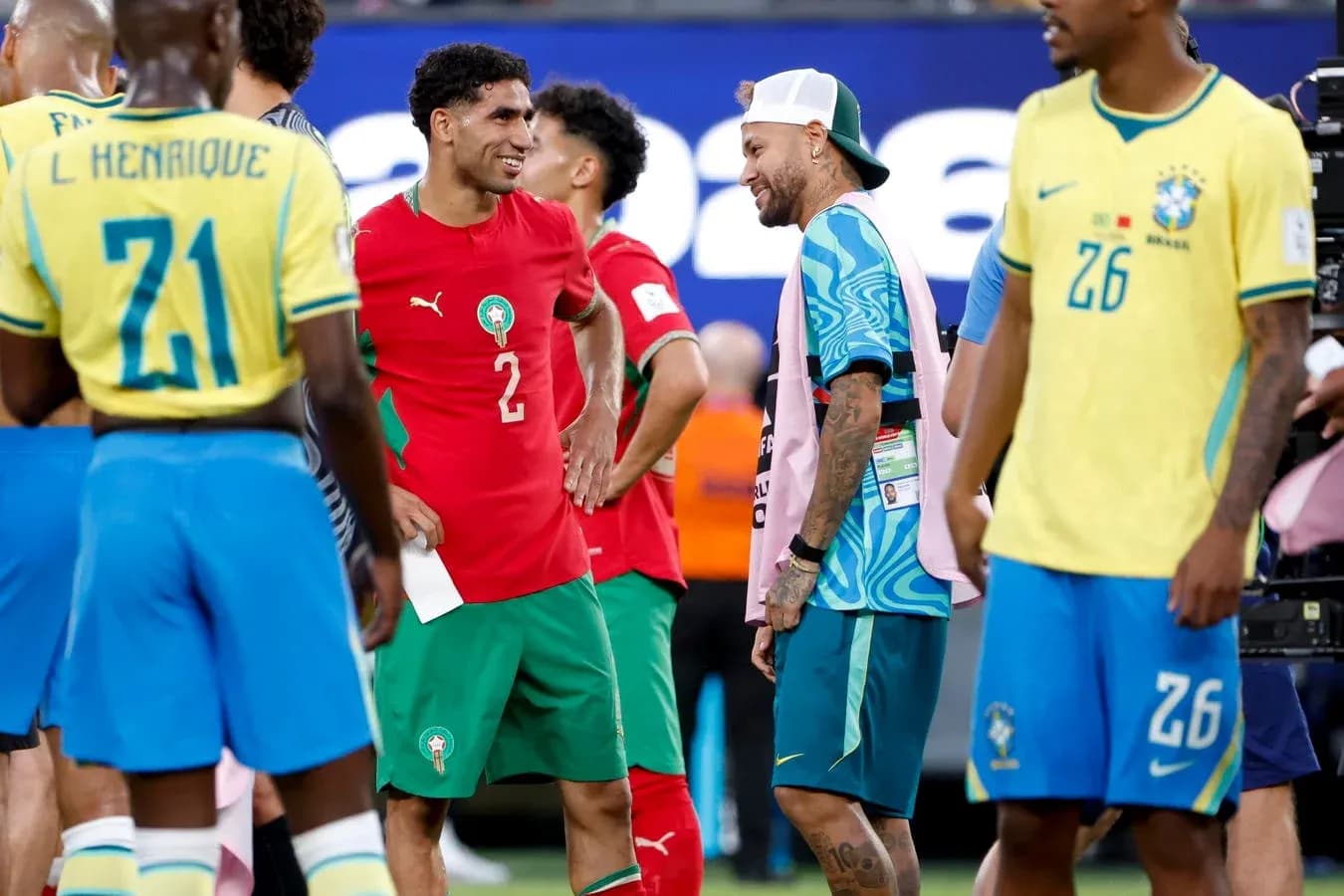
They went toe-to-toe with Brazil in their opener, struck first through Ismael Saibari, and for a while the script looked familiar: intensity, structure, belief. Then Vini Jr. levelled in the 32nd minute, and Morocco had to make do with a draw that felt like both a statement and a missed opportunity.
Now comes Scotland in Foxborough on June 19, and the tone of the group could change in 90 minutes.
A different kind of pressure
This is not knockout football, but it already feels like it for Mohamed Ouahbi’s side. Group C has started with a twist: Scotland, a nation that has never escaped the group stage in eight previous World Cup appearances, sit top after beating Haiti. They can edge closer to history with anything they take from Morocco.
The backdrop will not help the “home” side. Gillette Stadium will be drenched in dark blue, a heavy Tartan Army presence roaring on a team that senses its chance. Morocco, used to silencing crowds, must now do it in North America.
The response starts with the XI.
How Morocco are likely to line up
Ouahbi is not expected to rip up the blueprint. The core that stood firm against Brazil should remain, with minor tweaks more likely than sweeping change.
Goalkeeper
Bono stays in goal. The Al-Hilal man remains Morocco’s undisputed No. 1, the calming presence behind a defence that will be asked to manage more aerial traffic and set-piece pressure against Scotland than it did against Brazil’s more intricate approach.
Defence
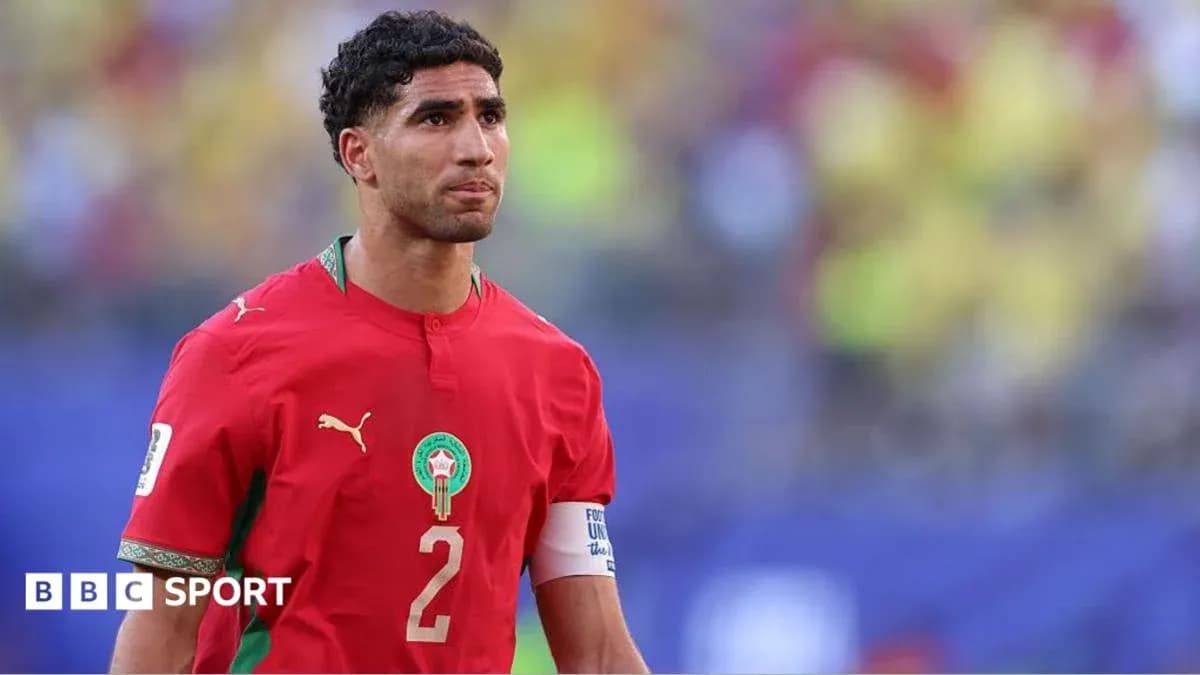
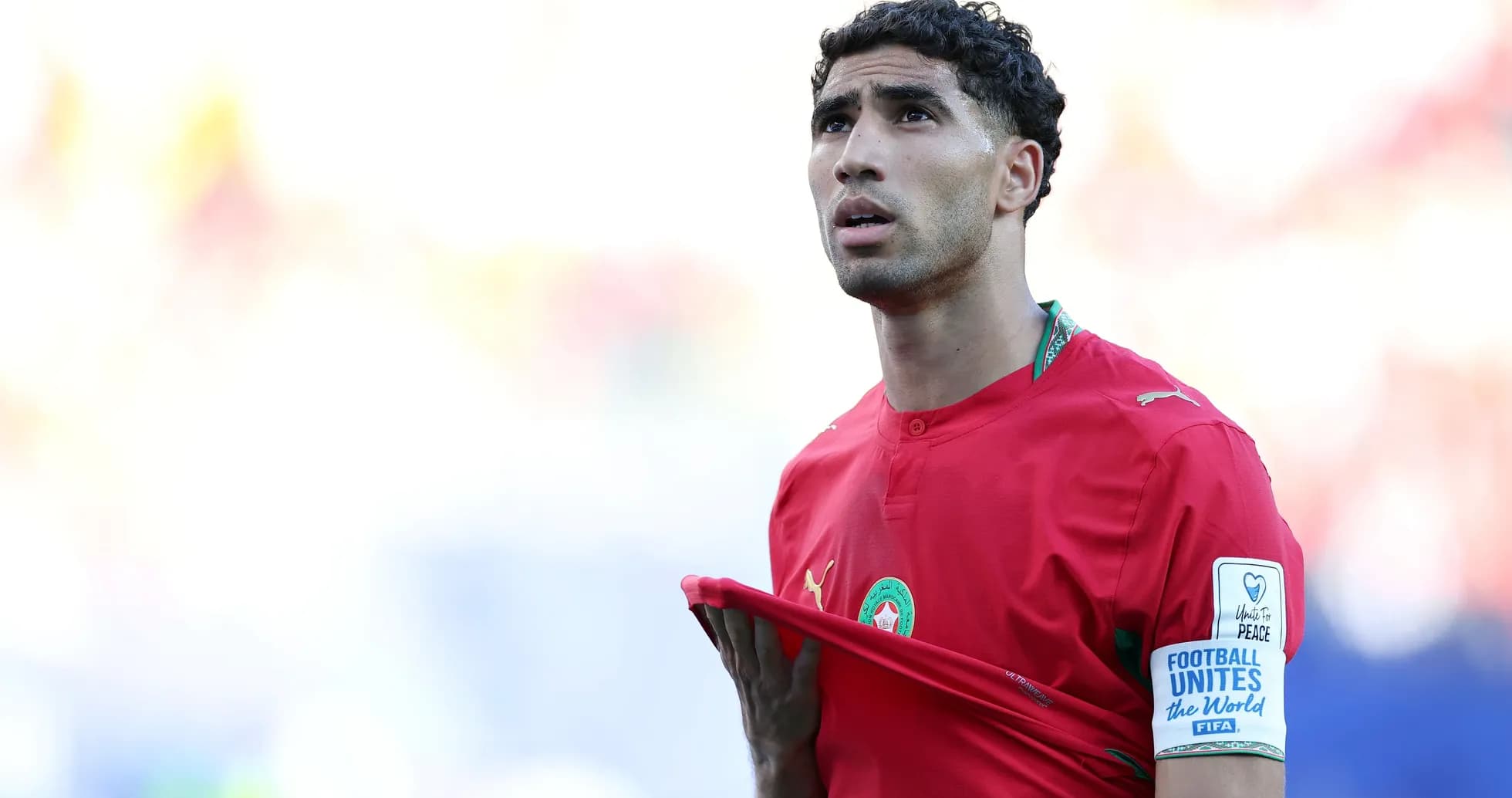
Achraf Hakimi and Noussair Mazraoui give Morocco a pair of full-backs that most nations would envy. Hakimi’s raids down the right are a weapon on their own; Mazraoui, comfortable on either flank, offers balance and composure on the ball.
In the middle, Issa Diop and Chadi Riad bring a blend of Premier League and Premier League-hardened experience. They will be tested differently here: less by the dribble, more by the cross; less by Neymar-esque craft, more by Scottish persistence and second balls around the box.
Double pivot
In front of them, Ayyoub Bouaddi and Neil El Aynaoui form a young but disciplined shield. Their job is brutal and simple: win duels, cut off transitions, and give the ball early to the creators. Against Brazil they had to stay switched on between the lines; against Scotland they must also be alive to late runs from midfield and chaos around knockdowns.
Attacking line
This is where Morocco can tilt the game.
Brahim Diaz, now a full international for Morocco and fresh from a Real Madrid environment where risk is demanded, will look to drift into pockets and break Scottish lines with his first touch and vision. Azzedine Ounahi offers that gliding, vertical running from midfield, the ability to carry Morocco up the pitch in a few strides. Bilal El Khannouss, one of the brightest of the new generation, knits moves together and finds spaces that others don’t see.
Together, they form a trio capable of turning a cagey group match into a technical mismatch—if Morocco can get them on the ball high enough and often enough.
Up front
Ismael Saibari leads the line again. He opened Morocco’s World Cup account against Brazil, and his role goes beyond finishing. He must occupy centre-backs, press with intelligence, and create room for Diaz and Ounahi to arrive in dangerous areas.
It’s not the classic No. 9 profile Morocco have sometimes leaned on, but Saibari’s mobility and timing inside the box already look well-suited to this version of the team.
The wider picture: depth and options
If Ouahbi needs to change the tempo, he has tools on the bench.
Soufiane Rahimi, Ayoub El Kaabi and Abde Ezzalzouli’s replacement, Amine Sbaï, give Morocco different looks in the final third: direct running, penalty-box instincts, fresh legs out wide. In midfield, Sofyan Amrabat offers steel and experience if the game turns into a battle, while Samir El Mourabet and others can help manage possession if Morocco are defending a lead.
At the back, Marwane Saâdane’s late call-up and the presence of players like Nayef Aguerd’s replacement options mean there is cover should Ouahbi want an extra defender or a change in profile.
What’s at stake in Foxborough
The schedule is clear. Scotland in Massachusetts on June 19. Haiti in Atlanta’s Mercedes-Benz Stadium on June 24. Two matches to turn one point into a platform for the knockouts.
Beat Scotland and Morocco seize control of their path. Draw and the group stays on a knife-edge. Lose, and that stirring draw with Brazil starts to feel like a missed chance rather than a launchpad.
The Atlas Lions came to this World Cup as a team with expectations, not just hope. Now they walk into a stadium filled with Scottish noise, carrying the weight of 2022 and the reality of 2026.
We know how high this team can climb. The question now is simpler, and sharper: can they start by winning a group-stage fight that history says Scotland usually lose?