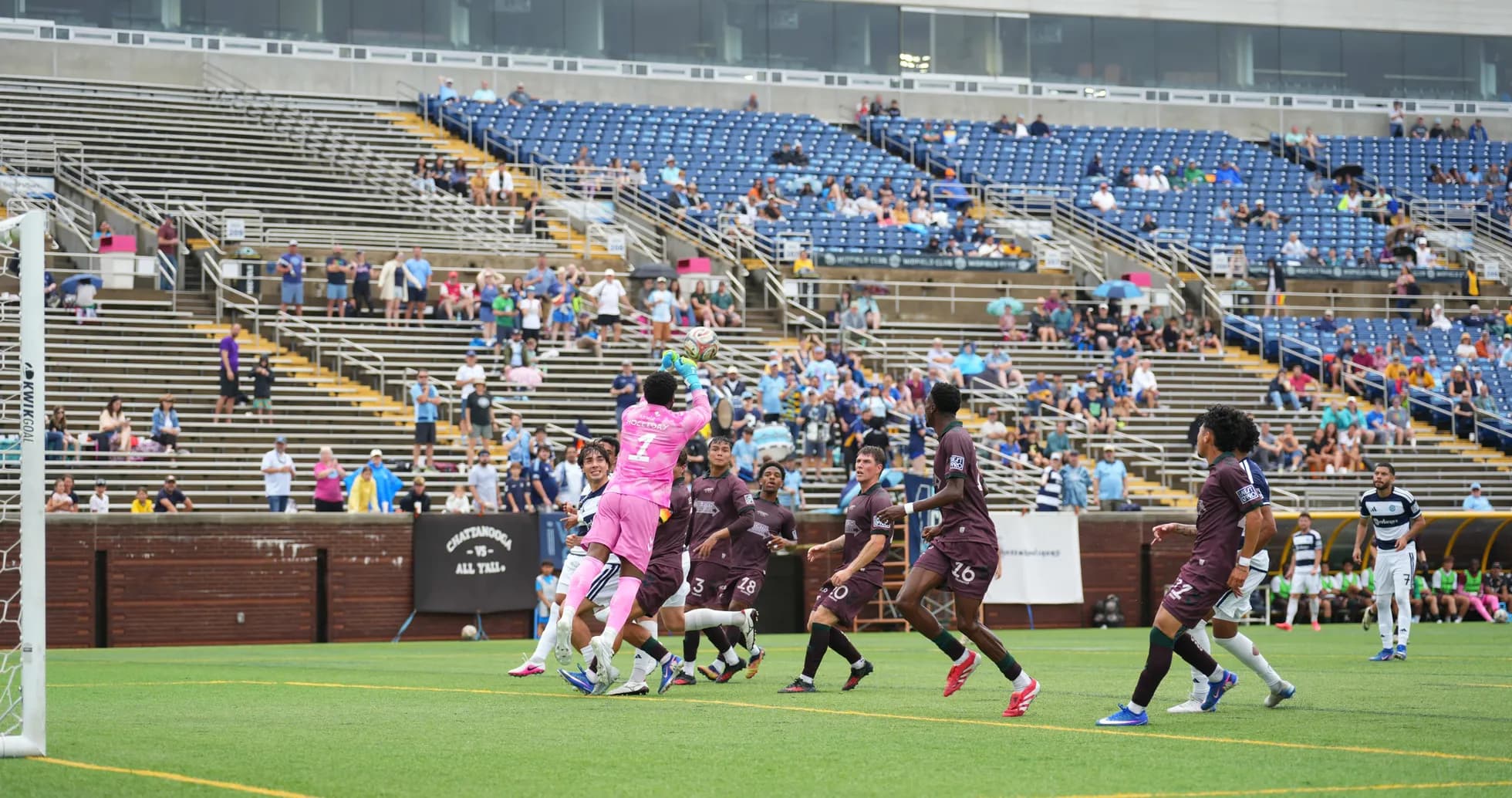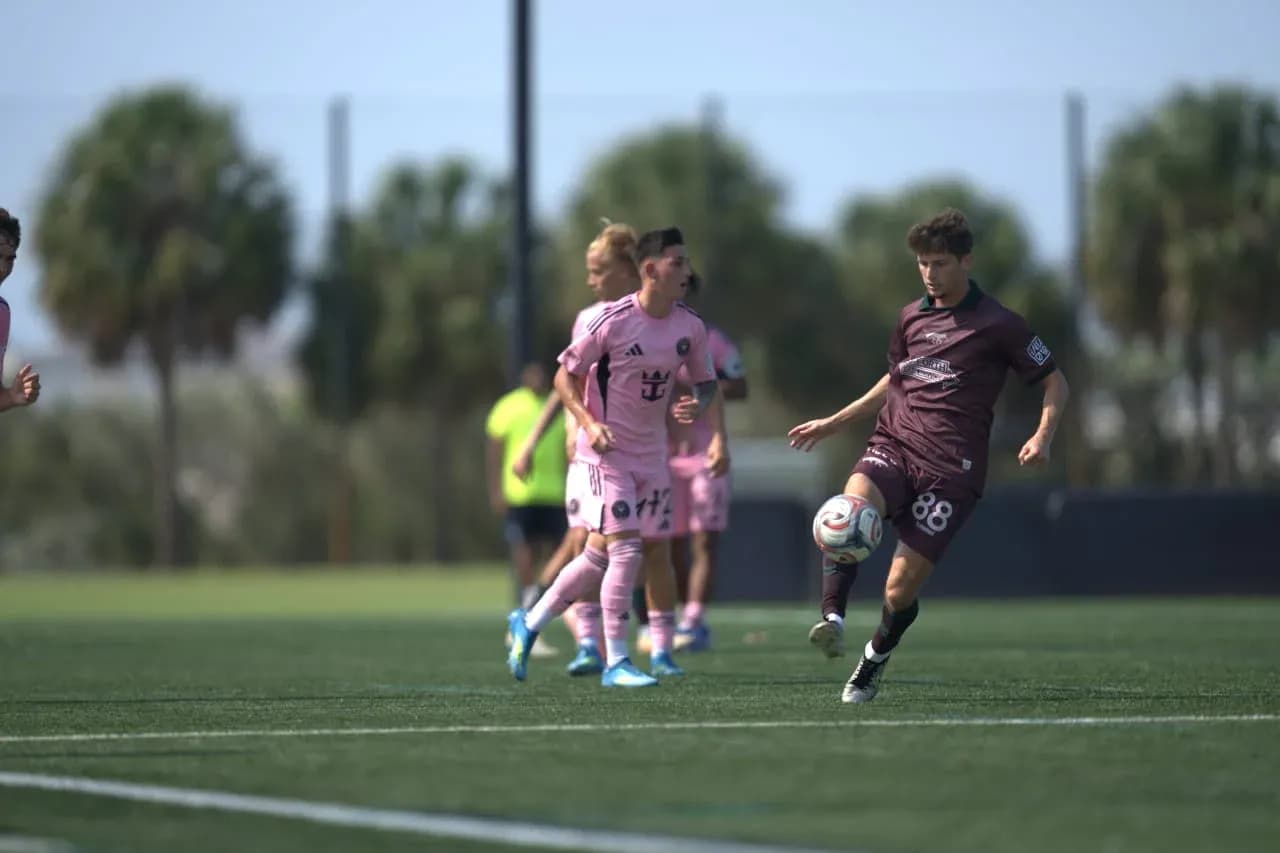
Minnesota United II Defeats Colorado Rapids II 2–0 at Allianz Field
Under the late spring sky at Allianz Field, Minnesota United II and Colorado Rapids II closed another chapter of their MLS Next Pro group-stage campaigns with a 2–0 home win for the Loons. The scoreline crystallized a wider story already etched into the standings: Minnesota United II, 8th in the Eastern Conference group and 4th in the Frontier Division with 18 points, are a volatile but dangerous side; Colorado Rapids II, bottom in both their Frontier Division (7th) and Eastern Conference group (14th) with just 3 points, remain locked in a season-long spiral.
Heading into this game, Minnesota had played 12 league matches overall, winning 6 and losing 6 with no draws, their goal difference in the standings at -1 (13 scored, 14 conceded). The more detailed season stats sharpen that picture: overall they had scored 14 and conceded 15, an overall goals-for average of 1.2 and goals-against average of 1.3. At home, they were pragmatic rather than prolific: 5 goals for and 4 against at Allianz Field, averaging 1.0 scored and 0.8 conceded at home. Colorado arrived in Saint Paul in stark contrast: 12 played, 12 lost, 10 goals for and 31 against overall, a brutal goal difference of -21 from the stats snapshot and -18 in the standings (10 minus 28). On their travels they had scored 4 and conceded 14, an away average of just 0.7 goals for and 2.3 against.
I. The Big Picture: Seasonal DNA and the 90-Minute Frame
This fixture, part of the MLS Next Pro Group Stage, kicked off at Allianz Field with Minnesota seeking to consolidate a playoff-trajectory profile and Colorado simply hunting for their first point. The Loons’ seasonal DNA is one of extremes: a form line of WLLWLWWWLLLW underlines their streaky nature, with a biggest winning streak of 3 and an equally long losing streak of 3. They are a side that either hits or misses, rarely settling for stalemates.
Colorado’s identity is harsher: a form of LLLLLLLLLLLL, 12 defeats from 12, no clean sheets, and a defensive record that has seen them concede heavily both at home and away. Their biggest away loss of 3–1 and a home nadir of 1–4 hint at a team that often stays in games for spells but lacks the structure to resist sustained pressure.
Within this 90-minute chapter, Minnesota’s 1–0 half-time lead and eventual 2–0 full-time result fit the statistical logic. A home side that averages 1.0 goal scored and 0.8 conceded at Allianz Field simply extended its pattern, while an away team conceding 2.3 per match on their travels again failed to keep the door shut.
II. Tactical Voids and Disciplinary Undercurrents
There is no explicit injury or suspension list, but the squads themselves tell a story of youth and rotation. Minnesota’s bench was deep, with nine substitutes including J. Adebayo-Smith, M. Caldeira, P. Tarnue, and L. Pechota, giving the hosts the ability to alter tempo and shape as the match evolved. Colorado travelled lighter, with seven substitutes such as Z. Campagnolo, J. Copeland, and N. Tchoumba, a thinner margin for in-game tactical recalibration.
From a disciplinary standpoint, both teams carried clear season-long warning signs. Minnesota’s yellow-card profile shows a pronounced late-game edge: 27.27% of their bookings arrive between 31–45 minutes and another 27.27% between 76–90 minutes, with an additional 22.73% from 61–75. Colorado mirror that volatility: 27.59% of their yellows fall in 31–45 minutes and 27.59% in 61–75, with 13.79% in 76–90 and a notable 10.34% in 91–105. For a match that Minnesota controlled on the scoreboard, the underlying risk was always that a lapse of discipline in those hot zones could hand Colorado a route back.
Red cards deepen Colorado’s vulnerability: they have seen reds in every 15-minute band from 16–75 minutes, each band accounting for 25.00% of their total dismissals. Even without a specific dismissal in this fixture, that pattern forces their coach Erik Bushey to manage intensity and aggression carefully, especially when chasing games.
III. Key Matchups: Hunter vs Shield, Engine Room vs Enforcer
With no top scorers or assist leaders provided, the “Hunter vs Shield” narrative becomes more collective. Minnesota’s attack, averaging 1.3 goals on their travels and 1.0 at home, confronted a Colorado defence leaking 2.6 goals per match overall. At Allianz Field, that mismatch was decisive. The Loons’ biggest home win of 2–0 this season is exactly what unfolded again: a controlled, two-goal margin that reflects efficiency rather than extravagance.
Individually, the front and middle units define the contest. For Minnesota, A. Kabia and D. Randell form part of the creative and pressing core, supported by K. Chandler and J. Friedman, while T. Putt offers a reference point higher up. Behind them, M. Harwood and S. Vigilante provide the connective tissue between defence and midfield, with C. Harvey and N. Dang tasked with securing the back line in front of K. Perkins.
Colorado’s resistance is built around C. Harper, K. Sawadogo, and J. Cameron, with B. Jamison and A. Fadal trying to anchor the midfield. A. Harris and C. Aquino offer outlets, while M. Diop carries attacking responsibility. Yet the structural weakness is systemic: even with players like K. Starks in goal and S. Wathuta providing legs, the unit as a whole has struggled to compress space and track runners, especially in the channels and half-spaces where Minnesota’s mobile attackers thrive.
The “Engine Room” battle is subtle but crucial. Minnesota’s midfielders have helped deliver 4 clean sheets overall, 3 of them at home, by screening effectively and managing transitions. Colorado, with 0 clean sheets and 4 matches overall where they failed to score, often lose this central duel, leaving their defence exposed and their forwards isolated.
IV. Statistical Prognosis and Tactical Verdict
Following this result, Minnesota United II’s season-long metrics look increasingly coherent. A side that has already converted 1 penalty from 1 overall (with 100.00% success and no misses) shows composure in key moments, and their ability to shut teams out at Allianz Field is reinforced: 4 goals conceded at home across the campaign, an average of 0.8, underpins a pragmatic defensive structure.
Colorado’s prognosis is starker. With 0 wins, 0 draws, and 12 losses overall, an average of 0.8 goals scored and 2.6 conceded, and no penalties won or scored, their xG story—though not numerically given—can be inferred as one of low-quality chance creation and high-quality chances conceded. Their streak of 12 consecutive defeats is not a statistical quirk; it is the logical outcome of a side that fails to protect its box and cannot sustain attacks.
Tactically, this match underlines the broader arc. Minnesota, even as a streaky side, possess enough structure and defensive solidity at home to grind out results against struggling opposition. Their late-game card spikes hint at moments of turbulence, but the clean-sheet count and home goals-against numbers show a team that generally bends without breaking.
Colorado, by contrast, are trapped in a feedback loop: early effort, mid-game discipline issues, and late-game fatigue combine with a porous defensive unit to produce predictable outcomes. Until the Rapids II can recalibrate their defensive block and reduce those 31 goals conceded overall, any xG-based model will continue to tilt heavily against them.
In narrative terms, Allianz Field hosted a result that felt pre-written by the data: Minnesota United II, imperfect but purposeful, tightening their grip on a playoff-leaning position; Colorado Rapids II, still searching for a foothold, their season defined as much by structural frailty as by the scorelines that follow.