Mexico's World Cup Journey: Aguirre's Last Chance
El Tri arrive with a familiar burden on their shoulders and a clock that never seems to stop ticking. An entire country has grown tired of waiting for the moment when the round-of-16 barrier finally breaks. This time, simply getting out of the group is non-negotiable. Doing it as group winners is seen as essential, a way to dodge the tournament’s biggest sharks for at least one more round.
The expectation is clear. The margin for error is not.
Aguirre’s last dance
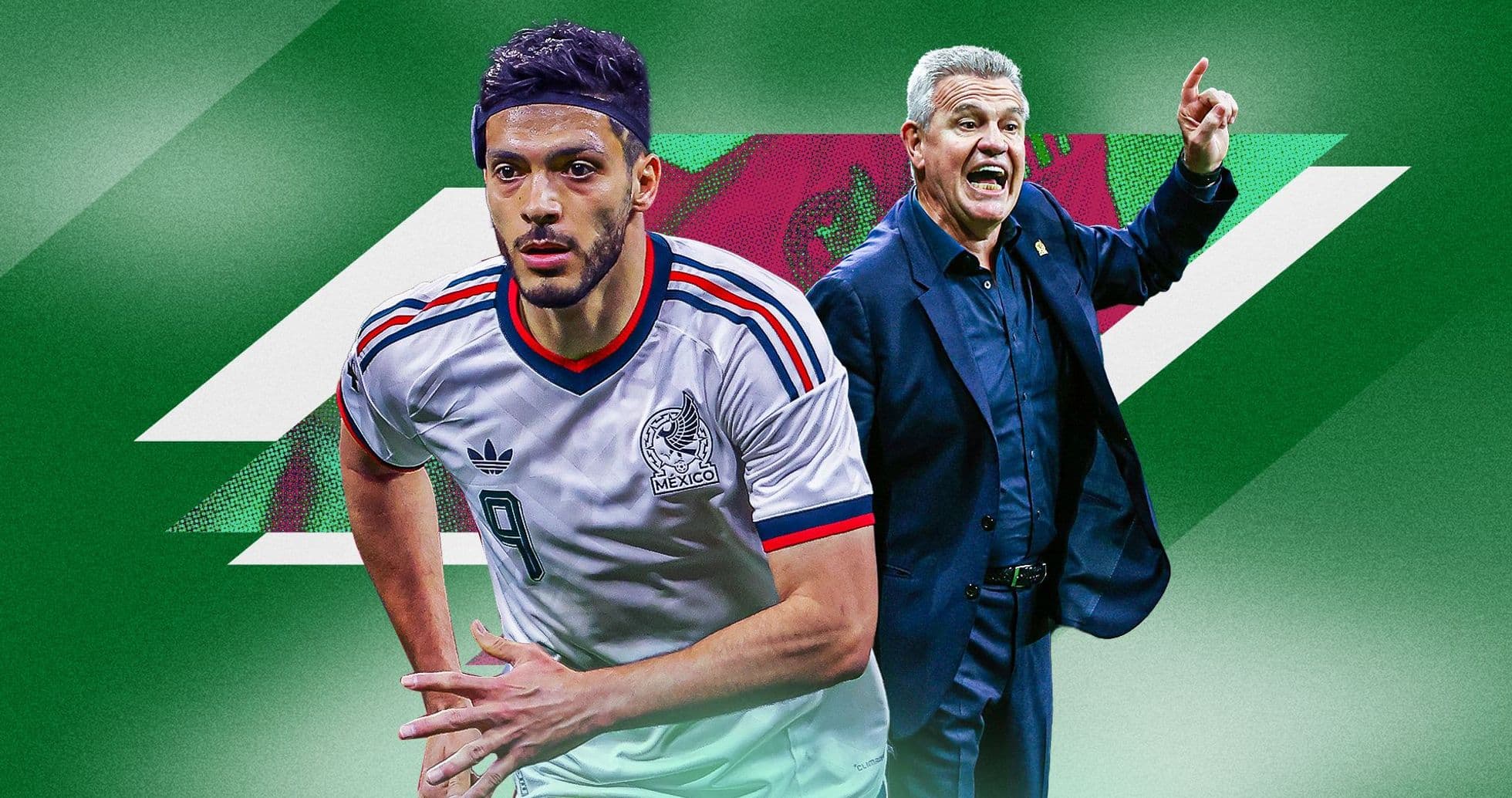
On the touchline, the story is just as compelling. Javier Aguirre, back for a third spell with the national team, is guiding Mexico into one last World Cup before handing the reins to his assistant, Rafa Marquez. He carries with him the weight of 2002 and 2010, of campaigns that promised more than they delivered, and a reputation that splits opinion across the country.
Aguirre is a two-time Gold Cup winner, a coach with scars and medals in equal measure, yet he walks into this tournament under a familiar cloud. His squad choices are dissected daily. His style is labelled overly cautious, pragmatic to a fault, short on the kind of flair many Mexicans believe should define El Tri. He knows the noise. He has lived with it for years.
True to type, he leans heavily on Liga MX. Even before the domestic season wrapped up, a dozen players from the league were already in the preliminary camp, later joined by those flying in from Europe and beyond. It is a squad built on domestic rhythm, with a few carefully chosen pieces from abroad.
Some names are conspicuous by their absence. Diego Lainez and Chucky Lozano, once central to Mexico’s attacking identity, are on the outside looking in. A new version of El Tri is being pushed forward, whether the country is ready for it or not.
A spine built on steel
If Mexico are to survive the tension of the group and push deeper into the knockout rounds, their backbone will have to hold. At the heart of the defence, Johan Vasquez and Cesar Montes provide exactly that: height, timing, and a partnership that gives Aguirre the platform he craves.
In front of them, the midfield has a more experimental edge. Alvaro Fidalgo offers calm on the ball and passing range, while Obed Vargas, still young and still learning, is being asked to grow up fast on the biggest stage. Between them, they must stitch together a team that has often struggled to control games for 90 minutes.
Then there is the captain. Edson Alvarez has made it to the tournament despite an injury-hit campaign, and his presence changes the tone of the entire side. He is the enforcer, the shield, the voice that drags the line up and refuses to let it drop. If his body holds, Mexico’s structure holds with it.
Jimenez, one last charge
Up front, the equation is brutally simple. Mexico have options, but only one undisputed reference point.
Raul Jimenez remains the face of the attack and the emotional centre of this squad. Now 35, heading into his fourth World Cup, he stands as the player around whom everything orbits. The numbers from 2025 tell the story clearly enough: nine of Mexico’s 22 goals in their two trophy-winning campaigns came from his boots. When the stakes rose, he delivered.
His status has only grown after a difficult season for Santiago Gimenez at AC Milan. The younger striker’s struggles have pushed even more responsibility onto Jimenez. Every cross, every cut-back, every hopeful ball into the box will look for him first. If he fades, so might Mexico’s dream of going deeper than they have in decades.
Ochoa, back from the brink
Behind it all, another familiar figure has stepped back into the light. Guillermo Ochoa, the man whose World Cup performances have become part of Mexican football folklore, appeared to have slipped out of the national-team frame. Then Luis Malagon suffered an injury, and the door swung open again.
Now Ochoa stands on the verge of a sixth consecutive World Cup, a staggering achievement that will place him alongside Lionel Messi and Cristiano Ronaldo at this tournament. It is a record that speaks not only to longevity, but to an ability to rise when the shirt weighs heaviest. For many Mexican fans, seeing Ochoa back in goal is more than nostalgia. It is reassurance.
A 17-year-old spark
For all the experience, for all the scars and history, the player who might truly ignite this campaign is barely old enough to vote.
Gilberto Mora, just 17, carries a different kind of expectation. Fresh from a long injury layoff that robbed him of much of the Liga MX season, the Tijuana attacking midfielder is already being talked about as a once-in-a-generation talent. He is the creator in the final third that this team so often lacks, the one who can see passes others do not even attempt.
Mexico have long struggled to create chances consistently against well-organised opponents. Mora may be the answer to that problem. He drifts between the lines, demands the ball, and looks to break games open rather than simply keep them under control. European giants are circling, preparing to tempt him across the Atlantic, but for now his stage is painted in green, white, and red.
If he catches fire, he could transform not just matches, but the mood of an entire nation.
Because beneath the tactics and the talk of cautious football, one question hangs over this Mexico side yet again: can they finally step beyond the round of 16, or will another generation leave the World Cup with the same old story ringing in their ears?