England's World Cup Journey: Finding Stability
England’s World Cup campaign has plenty going for it. Momentum. Match-winners. Big personalities delivering in big moments.
What it doesn’t have yet is a team that feels settled.
A team still in pencil, not ink
England have done the first job: top of the group, into the last 32. On paper, that looks smooth enough. On the pitch, it has been anything but straightforward.
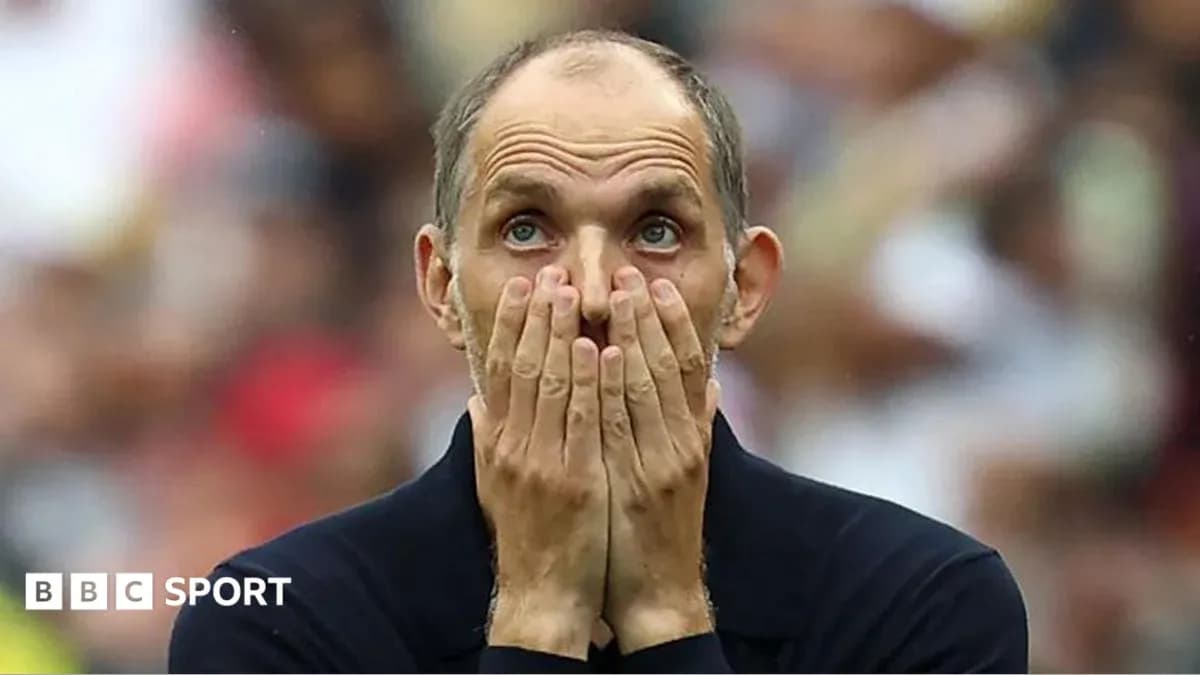
Three games in, Thomas Tuchel is still shuffling pieces. Full-backs, wingers, centre-backs – the combinations keep changing, the answers remain elusive. Across 270 minutes, he has already used nine different pairings down the flanks, involving eight players. That is not tactical flexibility; that is a manager still searching.
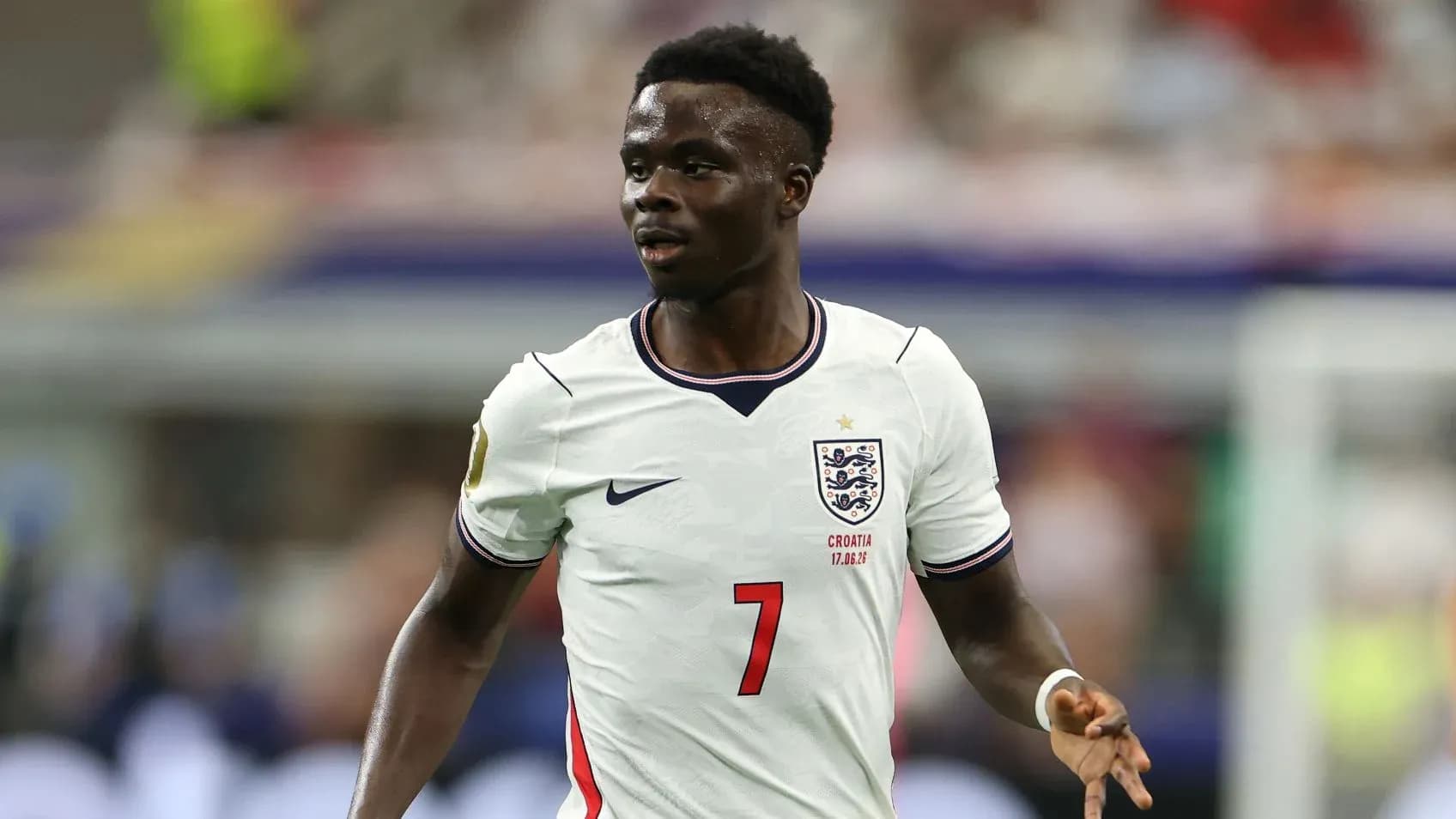
Injuries have bitten hard. Reece James and Jarell Quansah’s problems at right-back have ripped up one side of the plan. Bukayo Saka has been short of full fitness. Those are legitimate reasons, not excuses, but the effect is clear: England have lacked any kind of consistent threat out wide and, just as damaging, any real defensive rhythm.
The back four keeps changing. The anxiety doesn’t. Every time opponents run at this team, England look vulnerable. That’s the nagging worry behind the upbeat headlines.
When the stars step in
The story is not all uncertainty. Far from it.
Elliot Anderson was outstanding against Panama, a performance full of purpose and personality. Jude Bellingham dominated and rightly took man-of-the-match honours. Harry Kane did what Harry Kane does: found his goal again.
Add Jordan Pickford and Declan Rice and you have a spine you can trust. Five players you can hang everything on when the game tightens and the questions get louder.
That is the paradox of this England side. The structure is still under construction, but the stars are already delivering. Tuchel’s system is not yet providing a steady stream of chances in open play, so England are leaning on individual brilliance and set-piece muscle to carry them through.
Bellingham’s winner against Panama summed it up. The corner from Saka was nothing special. The finish was. Bellingham turned an ordinary delivery into a decisive moment – strength to hold his ground, balance to adjust, technique to guide it home. Once he scored, there only ever looked like being one result.
You don’t want to live off moments like that for an entire tournament. But you do need players who can conjure them. England have them.
Flanks that flicker, not burn
The next step is obvious: turn those flashes into a functioning attacking plan.
Too often the wide players have made life easy for defenders. Against Panama, Marcus Rashford and Saka both started on the “wrong” side, cutting in and swinging inswinging crosses into crowded areas. Those balls are food and drink for centre-backs facing play.
When England go outside, the picture changes. The best example came from Bellingham himself for Kane’s goal – a wide run, a straightforward cross, a clear trigger for the striker to attack. Forwards love that. They can time their movement, see the delivery early, explode onto the ball.
That is the sort of simple, repeatable pattern England have not hit often enough. The talent is there. The timing and clarity are not.
Fragile at the back
If the attacking play feels incomplete, the defending feels exposed.
England have been opened up in all three games. Croatia sliced through them in the first half and scored twice. Ghana and Panama both created chances and found joy running at a back line that never looked entirely sure of itself.
They got away with it in the group. They will not keep getting away with it.
As the tournament deepens, the quality rises. Better forwards will not be as forgiving. Mistakes that were survivable in the first phase will become terminal. Recovery jobs become harder, legs get heavier, pressure grows.
At previous tournaments, even when England’s defence wasn’t elite, it was at least stable. You knew the names. You knew the partnerships. This time, the back four feels like it is being rewritten every few days.
Another reshuffle coming
That instability looks set to continue against DR Congo in Atlanta.
Tuchel is likely to change again: either Djed Spence returning at right-back or Ezri Konsa sliding across from centre-back, with John Stones potentially partnering Marc Guehi – if Stones is fit enough to start. It is a jigsaw still missing its corner pieces.
Some of these tweaks are forced by injuries. Others are gambles Tuchel chose to take by loading his squad with players who carry fitness risks. The bill for those decisions is arriving now.
DR Congo are unlikely to be expansive. Expect a familiar picture: deep block, numbers behind the ball, quick counters whenever England over-commit. Ghana and Panama have already shown that blueprint. The challenge is not new. The question is whether England have learned.
Something as basic as the type of cross into the box could make the difference. Get Rashford and Saka, or whoever starts wide, running on the outside, hitting driven balls that Kane and the late runners can attack. Make defenders turn. Make them defend facing their own goal.
Time to stop tinkering
For all the concerns, England are where they wanted to be. Top of the group. Path opening up. A likely meeting with Mexico or Ecuador on the horizon if they handle their business against DR Congo.
But the luxury of constant tinkering is running out.
At some point very soon, Tuchel has to pick a back four and live with it. Partnerships only grow under pressure, not on a whiteboard. If England are serious about going deep into this World Cup, the revolving door in defence has to stop spinning.
The stars have carried them to this point. The next rounds will demand something more: a team that finally looks like it belongs together.