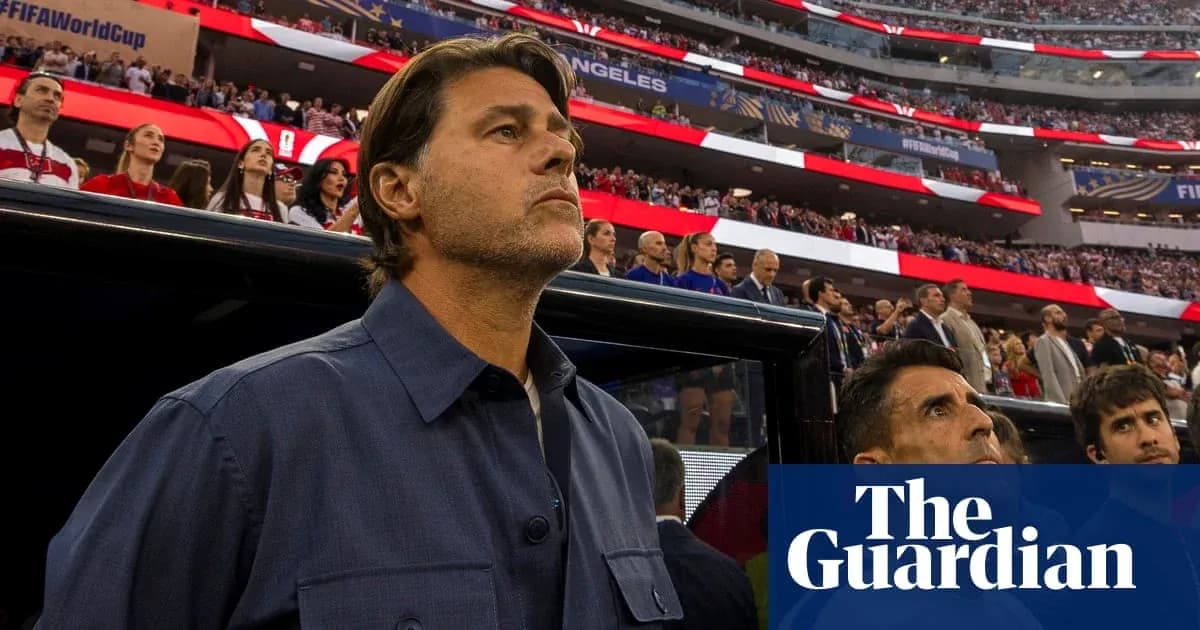
Mauricio Pochettino's Decision on US Men's Soccer Future
Mauricio Pochettino has a decision to make that could shape a decade of US men’s soccer.
The Argentinian has been offered a contract extension that would keep him in charge of the US men’s national team through the 2030 World Cup, according to multiple sources familiar with the offer. Those involved are not authorized to speak publicly, but the message is clear enough: US Soccer wants Pochettino at the heart of its long-term project.
A long courtship
This is not a last-minute scramble born out of World Cup form. Talks over a new deal have been running for around three months, with Pochettino and the US Soccer Federation locked in regular dialogue over his future.
US Soccer CEO JT Batson has not hidden the scale of interest in his head coach. Around late May, when Pochettino was reported to have held talks with Serie A side Milan, Batson acknowledged that the federation had been fielding “many inquiries” for the 54-year-old’s services. Pochettino stayed coy on Milan, but Batson painted a picture of a coach fully engaged with the American project.
“[Pochettino], and the entire team, has been incredibly transparent [through] the entire process,” Batson said in May. “He had standing offers from other places to come [when we hired him initially], and he wanted to be here. He’s a big believer in what we’re doing at US Soccer. He’s a big believer in soccer in America, and he’s a big believer in this men’s team.”
The Athletic first reported the existence of the formal contract offer. The new proposal would extend a relationship that has already seen Pochettino move near the top of the global coaching pay scale. Publicly available figures place his current salary at around $4m per year, with significant performance-related bonuses pushing the total far higher.
For now, Pochettino is holding his line. He has repeatedly said he will not make a call on his future until after the World Cup.
Results that demand a conversation
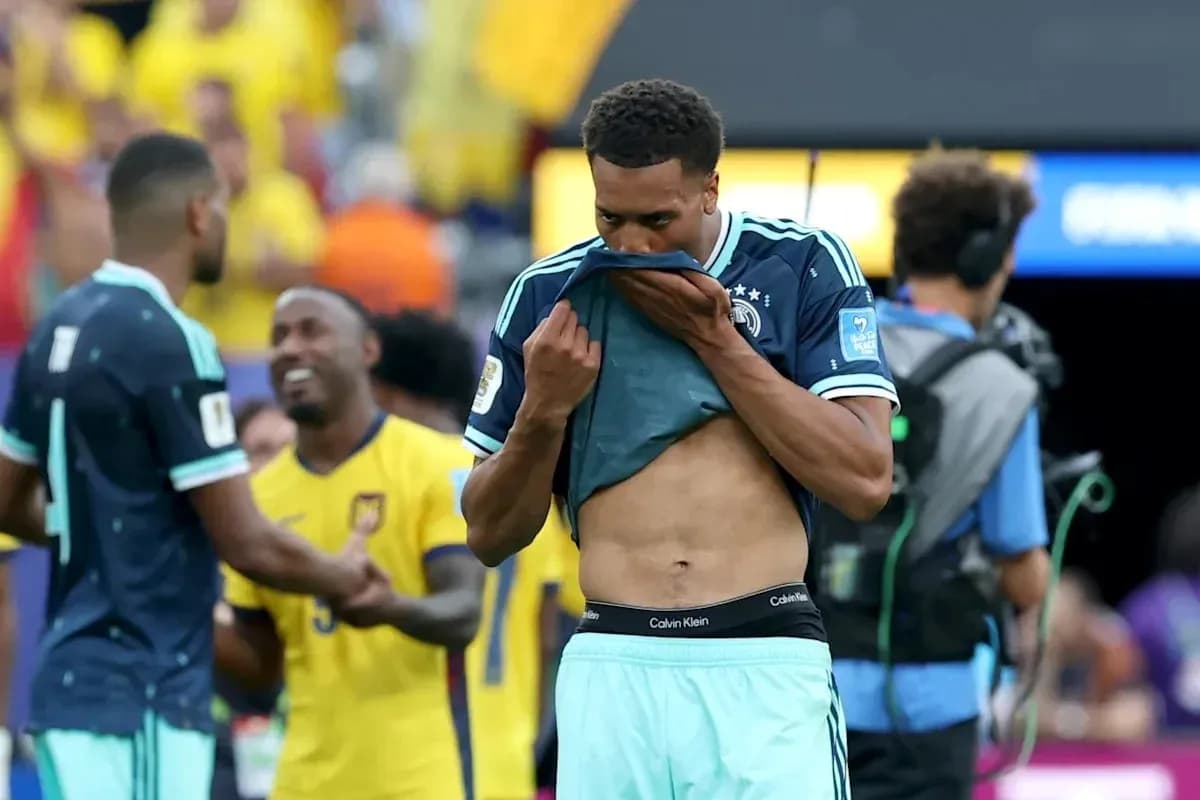
His 22 months in charge have not been smooth from start to finish, but the World Cup has cut through the noise. Under Pochettino, the US have delivered their best-ever group-stage performance at a World Cup.
They brushed aside Australia and Paraguay to clinch top spot in the group with a game to spare, then lost a tight, hard-fought contest to already-eliminated Turkey. It was not a perfect campaign, but it was controlled, confident, and at times ruthless — qualities US fans have not always associated with their national team on the biggest stage.
The reward is a last-32 tie against Bosnia and Herzegovina. By reaching the knockout rounds, this US side now sit just two wins from matching the country’s best finish in the modern era. For a coach who had never worked in international football before taking this job, it is a compelling early return.
That context matters. For much of his tenure, the assumption among fans and pundits has been that Pochettino would treat the US role as a short-term international experiment, a bridge back to the European club elite. Yet the tone from the coach himself has shifted over recent months. He has stopped closing doors.
“We told the federation we are open,” Pochettino said during a media roundtable this week. “But we don’t want to distract when all the energy needs to be with my players ... If the American people start to show passion in our sport too, why not be here being part of something that can create a legacy? For me, the most important legacy is the connection between the national team and the fans.”
That word – legacy – hangs over everything now.
An ambitious federation, a tempting horizon
US Soccer has been signaling its intent beyond the touchline. The federation has poured resources into infrastructure, most notably a new $250m training facility in Atlanta, Georgia, designed as a flagship base for the national teams and a statement of long-term ambition.
Hiring Pochettino was part of that same push. Keeping him through 2030 would be an even bolder declaration, anchoring the men’s program to a high-profile coach as the United States moves through a cycle that includes co-hosting the 2026 World Cup and building towards another global tournament four years later.
The offer on the table reflects that vision. It asks Pochettino not just to guide a team through a tournament, but to help define an era.
For now, he has more immediate concerns: Bosnia and Herzegovina in the last 32, and the chance to push this World Cup run into territory no US side has reached in generations.
Only after that will he decide whether this is a brief, brilliant chapter in his career — or the start of something far more enduring on American soil.