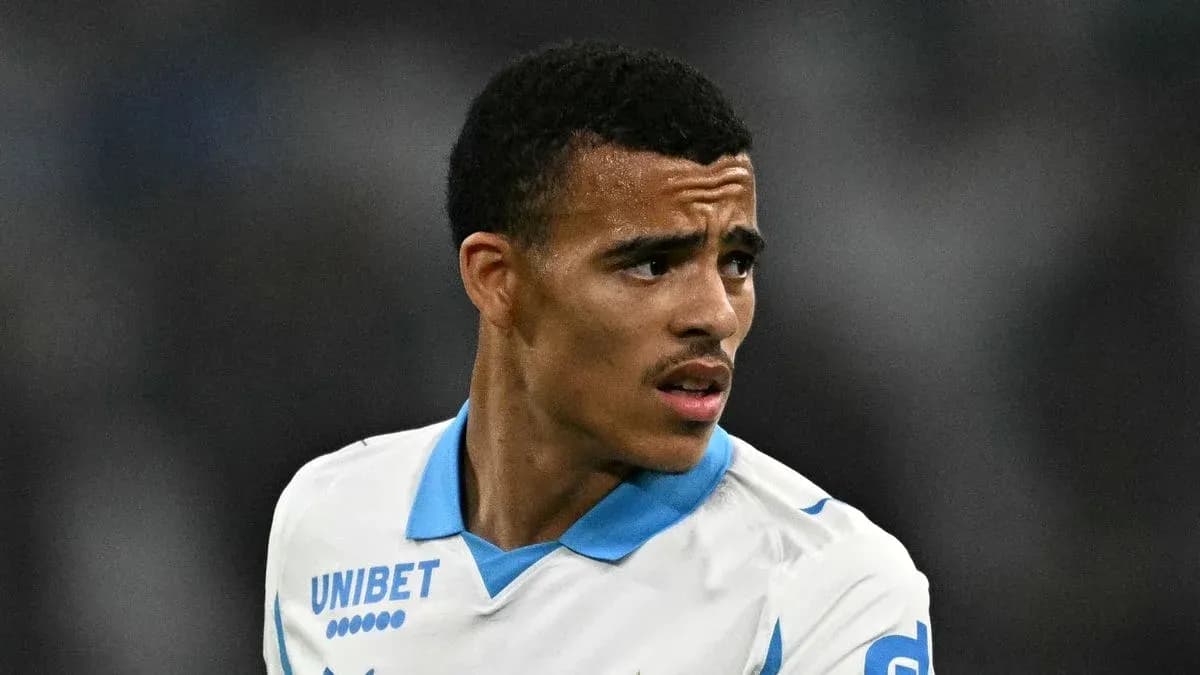
Marseille's Mason Greenwood Situation: Financial Struggles and Transfer Implications
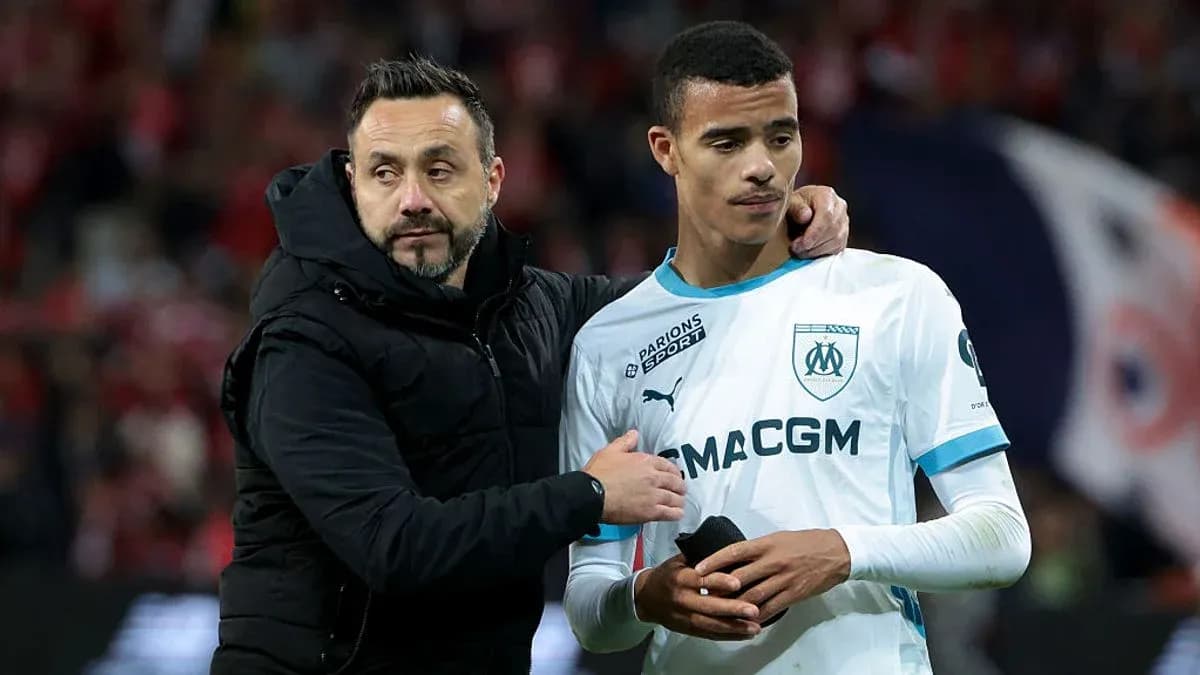
Marseille’s Mason Greenwood dilemma is tightening by the week – and Manchester United’s bank balance is caught right in the middle of it.
The French club know they are sitting on a major asset. Greenwood has rebuilt his career in Ligue 1 with a ruthlessness in front of goal that has dragged him back into the European spotlight: 48 goals and 17 assists in 81 appearances is elite output in any league, never mind for a player who arrived with his future in serious doubt.
United saw this possibility coming. When they sold the forward to Marseille for around £26.7million last summer, they did not just close a chapter, they protected their interests. A 40 per cent sell-on clause was written into the deal, a clear bet that Greenwood’s value would rise again once he was back on the pitch and away from Old Trafford.
It has. The problem for United is that Marseille’s financial reality may stop that value from being fully realised.
UEFA pressure turns up the heat
Marseille have been warned by UEFA over their financial conduct and face the threat of a one-year ban from European competition and an £8.6m fine if they fail to meet football earnings targets for the 2026/27 season, according to AP. That sort of warning does not sit quietly in the background. It shapes transfer windows.
The message is blunt: sell smart, or risk sitting out Europe.
In that context, Greenwood is no longer just a star forward. He is a potential financial lifeline. Yet he could also become a cut-price sacrifice if Marseille decide they cannot afford to hold out for maximum value.
Roma have already tested the water. The Serie A club are understood to have put forward a package worth £34m: a £4.3m paid loan, a £21m option to buy and £8.6m in bonuses. It is a structured offer, designed to spread the cost, the kind of bid a club makes when it is counting every euro.
Marseille are not impressed.
Reports in Corriere dello Sport suggest the French side want at least £47m for Greenwood. That figure sits just below the £52m release clause that will drop into his contract on July 1, but it is still a long way from Roma’s opening proposal. The Italians, themselves fined £5.2m in a previous UEFA settlement for missing financial targets, are understandably wary of pushing too close to the full clause.
Two clubs, both under financial scrutiny, both trying to squeeze as much value as they can out of the same player. The standoff is inevitable.
United’s cut depends on Marseille’s nerve
From Manchester United’s point of view, the equation is simple but significant.
If Marseille get their £47m asking price, United’s 40 per cent slice lands at around £18.8m. For a player they no longer have on the books, that is tidy business and a useful boost to their own summer budget.
If someone – Roma or another suitor – eventually triggers the £52m release clause when it becomes active, the numbers jump again. United’s share would rise by roughly £2m, taking their windfall towards the £21m mark.
That is why the size of Marseille’s financial squeeze matters at Old Trafford. A club forced into a quick sale under pressure is less likely to hold firm for top dollar. A club that can ride out the summer and wait for the clause to kick in has a far stronger hand.
For now, Marseille are trying to walk that tightrope: project strength in negotiations, while knowing UEFA’s warning is looming in the background.
Greenwood, at 24, is in the middle of it all. A player who came through Carrington in 2018, scored 35 goals in 129 games for United, saw his career derailed by serious allegations and charges of rape in 2022 – later dropped – then rebuilt his reputation with a season at Getafe before exploding in France.
His form has restored his market value. His contract has weaponised it. UEFA’s regulations are now distorting it.
Whether Marseille hold out for the clause, compromise at £47m, or are forced into something closer to Roma’s initial £34m structure will say plenty about where the French club really stand financially.
It will also dictate how much Manchester United actually bank from a player they once expected to lead their own forward line for a decade.