Marcus Rashford's Future: World Cup Expectations and Club Uncertainty
Marcus Rashford stands on the brink of a World Cup he is expected to start for England, yet has no clear idea where he will be playing his club football next season. A forward preparing for Croatia in Dallas on 17 June should be thinking about defensive lines and shooting angles, not contract clauses and loan options. Still, here he is: one of the most high‑profile players in the game, stuck in limbo.
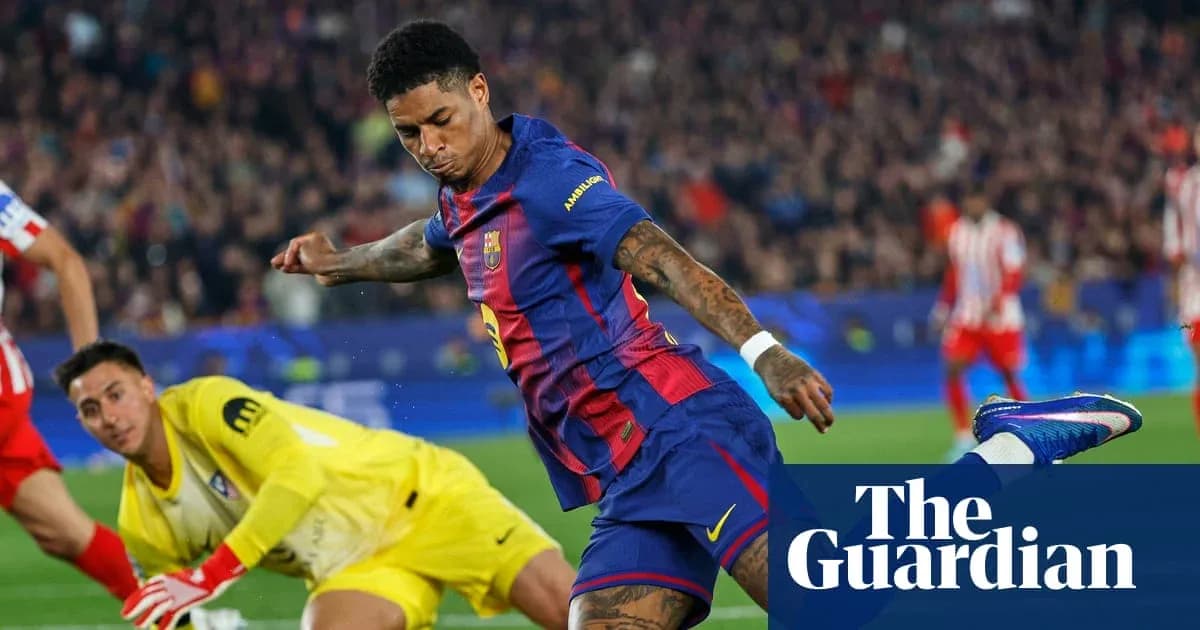
This latest standstill is just another twist in a long, uneasy break‑up with Manchester United. The rupture truly began in December 2024, when then head coach Ruben Amorim cut Rashford from his first‑team plans. That decision set off a chain of temporary homes: first Aston Villa, then Barcelona. He has impressed in flashes, especially in Catalonia, but has yet to find anything resembling permanence.
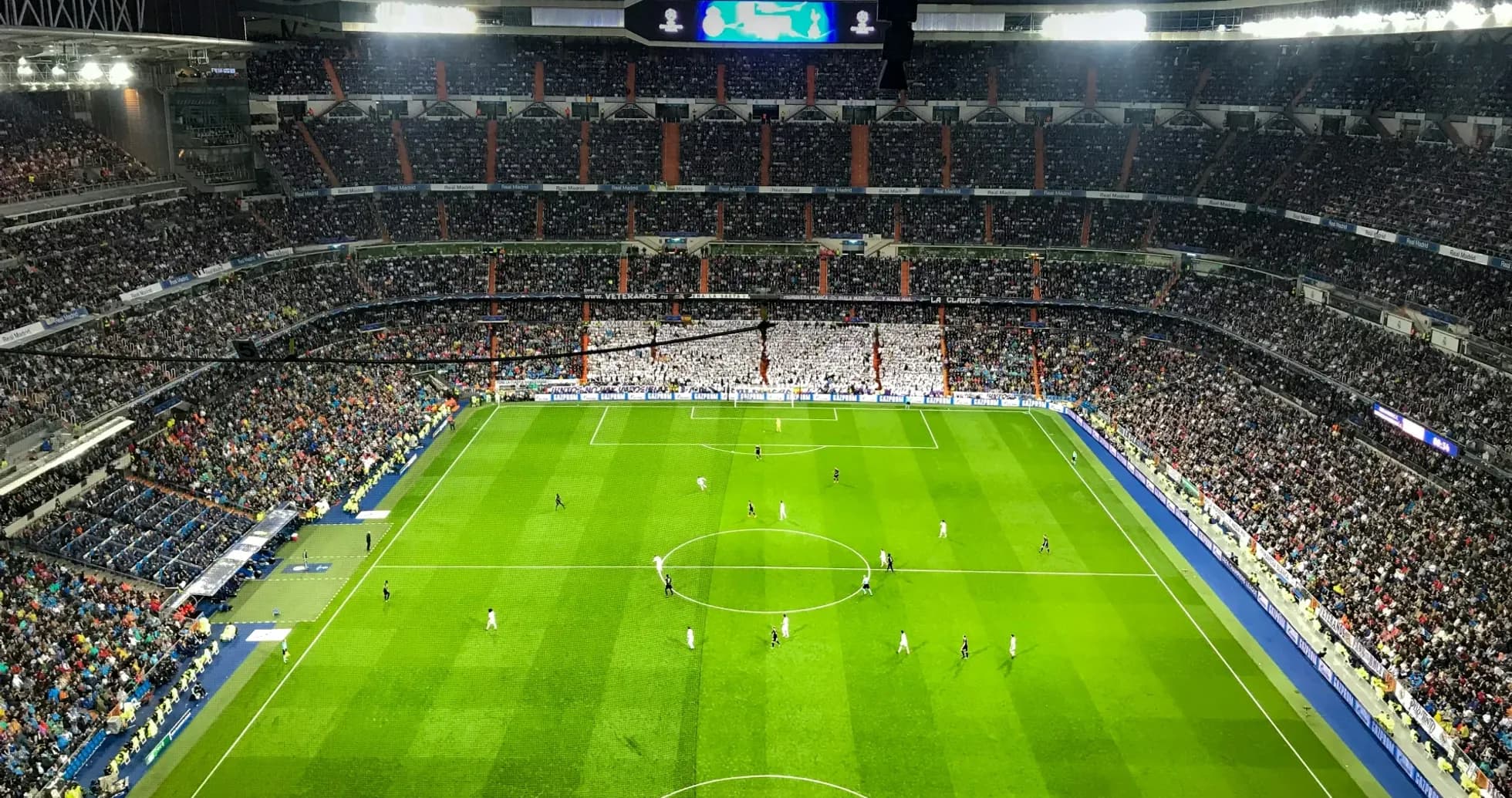
Barcelona felt like it might be that place. Rashford’s free-kick winner against Real Madrid in this month’s clásico, a strike that helped clinch La Liga, carried the air of a defining moment. The kind of goal that normally writes a contract for you. The kind that convinces a club to build around you.
Rashford certainly sounded ready. Under Hansi Flick last season he enjoyed a largely positive campaign, and he has been open about where he wants this story to go. His preference is simple: stay at Barcelona on a permanent deal. “I am not a magician but if I was, I would stay,” he said after scoring against Real on 10 May. “We will see.”
The problem is, Barcelona’s stance is nowhere near as clear. Their interest, at best, is hazy. The arrival of Anthony Gordon from Newcastle for £69m last week only muddies the water. Gordon, like Rashford, operates primarily from the left. If Barça do want Rashford, the indications are it would be on another loan, not a purchase.
Manchester United have other ideas. They want a clean break. The club are prepared to sanction a permanent exit for around £26m, a surprisingly low figure for a 28‑year‑old forward still in his prime and under contract until May 2028. But that fee is only half the story.
Behind the discount lies the real issue: Rashford’s salary. He earns £17.5m a year, with roughly £35m still due on his current deal. United are desperate to move that wage off their books. Any club taking him on loan would be expected to shoulder all or most of that cost. Any permanent transfer would almost certainly involve a rise on those already hefty terms. For now, Barcelona show little appetite to commit to that kind of financial package.
So where does he go?
A return to Old Trafford looks almost impossible, even with Amorim gone and Michael Carrick now in charge. The managerial change has not altered the view in the boardroom. For Sir Jim Ratcliffe, the club’s minority owner and the man driving football policy, Rashford remains unwanted. The same goes for director of football Jason Wilcox and chief executive Omar Berrada. Inside United’s hierarchy, the door appears bolted.
When his loan at Villa ended last summer, Rashford’s ambition was clear: a Champions League club, but not in London. If that stance has softened, Arsenal suddenly become a very real option. From Mikel Arteta’s perspective, Rashford would represent an upgrade on Leandro Trossard and Gabriel Martinelli as a left-sided attacker for the Premier League champions. His capacity to play as a No 9 only adds to the appeal, offering another variation alongside Kai Havertz and Viktor Gyökeres.
The same logic applies at Liverpool. Cody Gakpo is currently their only senior left-sided attacker and his output last season was, at best, unconvincing. If Liverpool decide Rashford is the answer, the question becomes whether his disillusionment with United runs deep enough to push him across one of English football’s fiercest divides and into Anfield red.
Aston Villa remain in the frame. Rashford thrived under Unai Emery, particularly on Champions League nights, when his pace and movement lit up Villa’s attack. The environment suited him, the role was clear, and he looked like a player enjoying his football again. A return would not be hard to sell.
There is always the lure of another move abroad. Paris Saint‑Germain have admired Rashford for some time, but their left flank already belongs to Khvicha Kvaratskhelia, one of the best in the world in that role. At Bayern Munich, Luis Díaz holds that position. At Real Madrid, Vinícius Júnior is immovable. The elite left‑wing berths across Europe’s superclubs are largely taken.
The transfer window opens on 15 June. That date should bring clarity, but Rashford’s situation is so tangled that any resolution is likely to be slow. His wages, United’s determination to cash in, Barcelona’s hesitation, the competing priorities of clubs across Europe, and the small matter of a World Cup all collide here.
United can block any move they do not like. Rashford can refuse any destination that does not appeal. Between those two hard lines sits a group of suitors weighing up the risk and reward of signing a player who helped Barcelona retain La Liga, yet comes with a premium salary and a complex recent history.
The numbers from last season tell their own story. Eight goals and nine assists in La Liga is respectable but not spectacular, and that may explain Barcelona’s reluctance to commit to a long-term deal. He has shown decisive quality, but not consistently enough to remove doubt.
That could change in an instant. A World Cup lit up by Rashford – the kind of tournament where he bends games to his will and drags England forward – would transform the equation. At that point, £26m for a player of his profile, even with a top-tier salary, starts to look less like a gamble and more like an opportunity clubs cannot afford to miss.