Manchester United's Smart Transfer Moves: Santos and Tielemans
Manchester United show their teeth in the market at last. Not by winning a bidding war, but by walking away from one.
From early doubts to a double midfield coup
At the start of the week, the mood around Old Trafford was sour. Elliot Anderson had slipped away to Manchester City, and when Mateus Fernandes then chose Tottenham, the familiar story seemed to be writing itself again: United, slow and reactive, outmuscled by rivals with a clearer plan.
Then came the pivot.
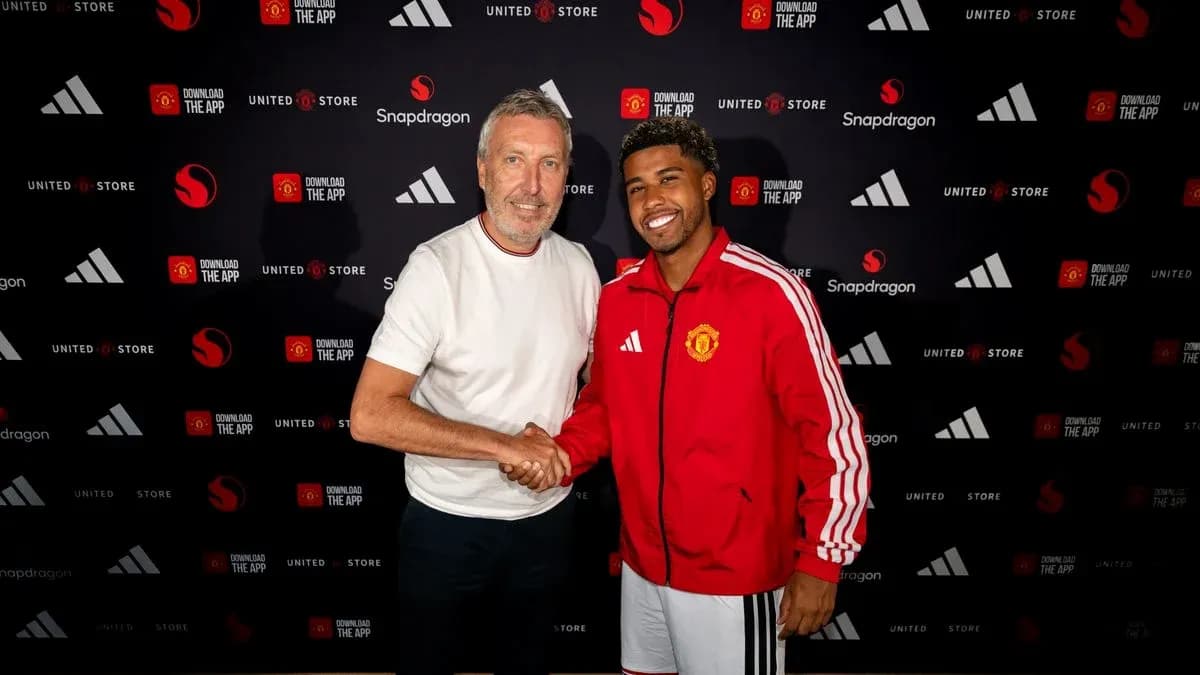
On Monday, United announced Andrey Santos for £50million. On Tuesday, Youri Tielemans followed for £35m. Two midfielders through the door, £85m spent – the exact figure Spurs agreed with West Ham for Fernandes alone.
This time, United chose value over vanity.
Walking away from Fernandes
Fernandes was the next name on the list after Anderson. West Ham wanted £85m up front. Tottenham paid it and went further, laying a £250,000-per-week contract on the table.
United could have matched it. In the past, they probably would have. They did it with Casemiro after missing out on Frenkie de Jong, throwing money at the problem and living with the consequences later.
Not now.
Matching Spurs’ wage offer would have detonated the club’s new pay structure at the very moment the hierarchy is trying to drag the bill down and reassert control in the dressing room. Fernandes has big potential, no question, and his numbers last season sat close to Anderson’s on several key midfield metrics. But he also arrives at Spurs with back-to-back top-flight relegations on his CV and without the body of work to justify that fee or that salary.
Tottenham have paid for upside. United, for once, have paid for balance.
Santos and Tielemans: two pieces, one strategy
Santos is a project, not a poster boy. At £50m, he is an investment in what he might become rather than what he is now. Yet Fernandes is only marginally further along in his development. The gap between them is not £35m and a wage structure torn to shreds.
Alongside him comes something United have been missing for years: reliability.
Tielemans, 29, brings seven and a half seasons of Premier League know-how. He has been one of the division’s most consistent midfielders in that time, a metronome with bite, and Aston Villa were desperate to keep him this summer. United still got him.
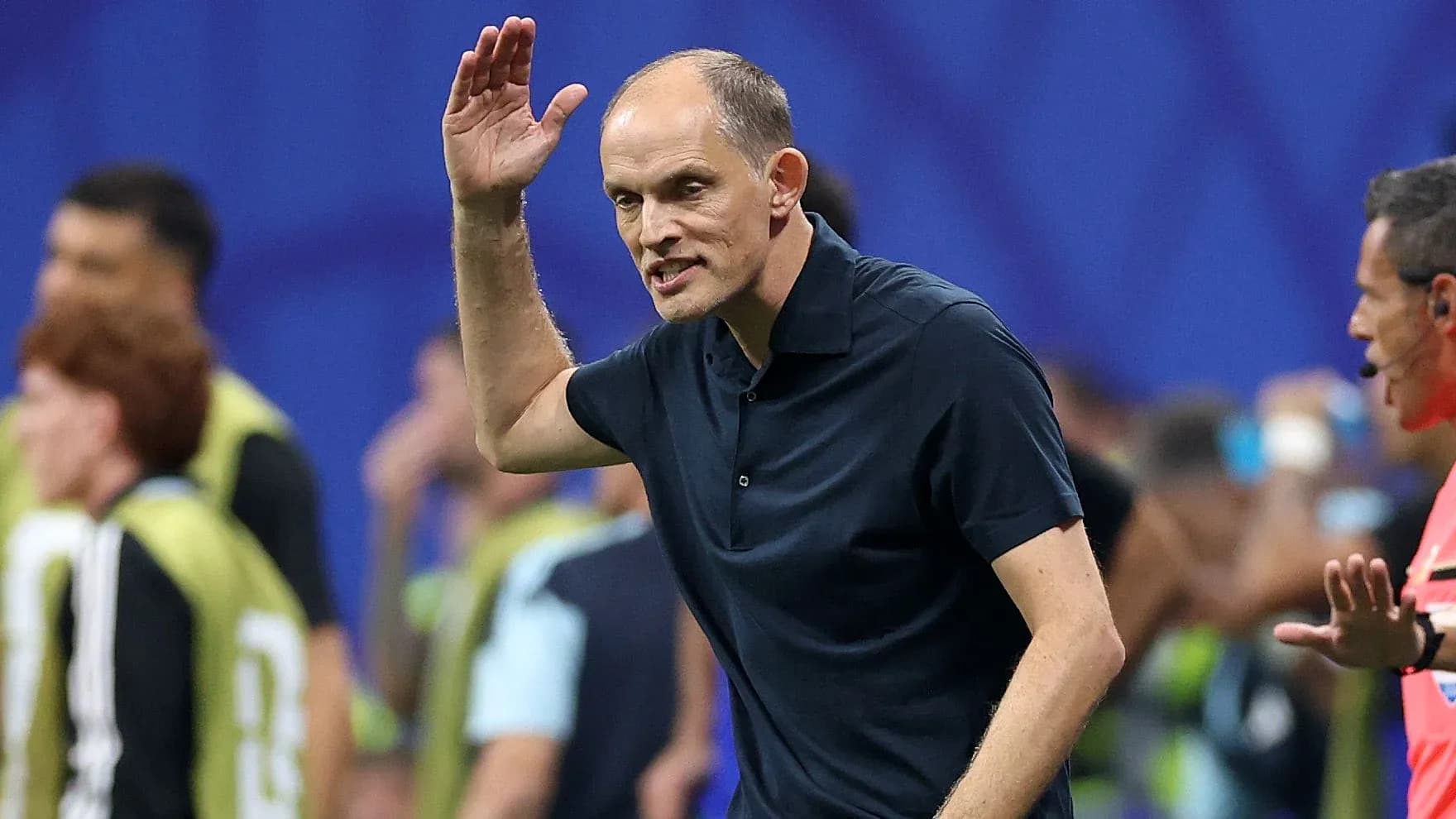
His passing profile is striking. Over the last few years, he has played almost more passes to a teammate within three metres than anyone else in the league. It sounds mundane; it is anything but. It speaks to a player who constantly offers, constantly connects, constantly stitches moves together. For Michael Carrick, trying to build a side that can control matches rather than simply survive them, that is gold.
Tielemans also brings range. He can punch passes through the lines, clip diagonals, and change the rhythm of a game with one touch. United have lacked that blend of security and ambition in midfield since their last great sides were broken up.
Jason Wilcox, speaking after the deal was done, did not bother to undersell him: “Youri has consistently been one of the most outstanding midfielders in the Premier League. He has all of the technical qualities, as well as the ambition and mentality, to thrive at United.” He also highlighted his leadership – a point that matters more at Old Trafford than ever.
Tielemans captains Belgium and wore the armband in his final season at Leicester. With Casemiro gone and a sizeable leadership void left behind, United needed more than just a passer. They needed a grown-up. Tielemans arrives as one.
A board under fire starts to answer back
None of this wipes away what came before. Ruben Amorim’s short reign remains a scar.
His appointment was a misstep from day one, and the numbers underline the damage. In the Premier League, Amorim posted the worst win ratio of any United manager in history, conceded more goals per game than any of his predecessors, and produced the lowest clean sheet rate the club has seen. He did clear out some big egos and challenge a toxic culture, but the cost on the pitch was brutal.
The board took the flak for that. They deserved it. They hired a stubborn coach who never truly fit, then watched the situation unravel. Club insiders believe Amorim effectively talked himself out of the job and engineered his own exit, which only deepened the sense of chaos.
This is why the last few days matter.
You do not erase a bad managerial appointment with two signings, yet you can show that lessons have been learned. United’s new regime has quietly reshaped the recruitment department and its methods. It felt last summer that the penny had finally dropped: you can find value if you work harder, look earlier, and stop treating every window as a fire sale or a vanity project.
This summer has been tougher. Targets have gone elsewhere. Prices have inflated. The temptation to panic has been there again.
Instead, when Fernandes disappeared to north London, United moved with clarity. No sulking, no overbidding, no last-minute scramble for a name to appease social media. Santos and Tielemans were identified, deals agreed, and paperwork pushed through in quick succession.
A smarter United, but not a finished one
The job is not done. Not even close.
United still need a third high-quality midfield addition if they are to give Carrick the tools to compete properly across a long season. Other areas of the squad require surgery as well. One flurry of smart business does not turn a troubled giant into a title contender.
What it does show is intent. A willingness to say no. A readiness to value structure over short-term applause.
United have landed two midfielders for the same combined price Spurs paid for one. One is a raw talent with room to grow, the other a proven Premier League operator and international captain. That is not just a response to missing out on Fernandes; it is a test case for a new way of thinking.
If this is the template, the rest of the window will tell us something far more important than any unveiling video can: whether Manchester United have finally learned how to build a squad, not just buy one.